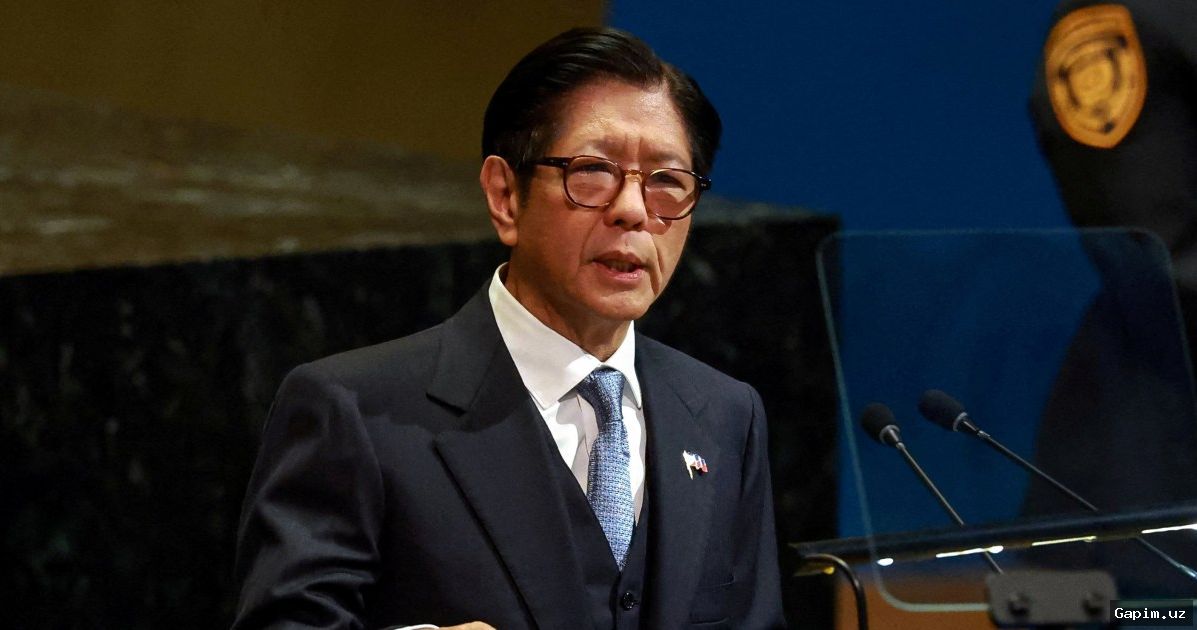
The Philippines has become the first country to officially declare a state of emergency in the energy sector for one year, amid a growing global fuel shortage. President Ferdinand Marcos Jr. signed the corresponding decree, characterizing the situation as an "imminent threat" to national security. This decision comes as the country's current fuel reserves average only 45 days.
The fundamental cause of the crisis is the escalation of tensions in the Middle East. Restrictions on shipping through the Strait of Hormuz, following the start of large-scale military actions in the region in late February, have effectively blocked a key route for global oil and liquefied natural gas (LNG) supplies. This has triggered not only a sharp spike in prices but also deep disruptions in logistics chains critical for import-dependent economies in Southeast Asia.
The Philippine government has initiated emergency measures to stabilize the domestic market. A special committee has been established in the country to control the distribution of essential goods, including food and medicine. Additionally, authorities do not rule out imposing a strict austerity regime, up to the temporary suspension of civilian flights, to prioritize fuel supplies for critical infrastructure facilities.
In search of a way out of the blockade, Manila has begun seeking alternative suppliers to urgently replenish a reserve fund of 1 million barrels of oil. President Marcos Jr. openly stated readiness to consider purchasing Russian fuel, despite existing sanctions pressure. A similar import diversification strategy in light of instability in the Strait of Hormuz is already being considered by other countries in the region, including Thailand, Sri Lanka, and South Korea.
Source: podrobno.uz