In Nepal, former rapper and political newcomer Balendra Shah (Balen) was sworn in as the country’s prime minister on Friday, capping months of political upheaval in the Himalayan nation following a Gen Z-led uprising last year that toppled the previous government. At 35 years old, Shah is one of Nepal’s youngest-ever leaders, and his rise to power reflects widespread discontent with the traditional ruling elite.
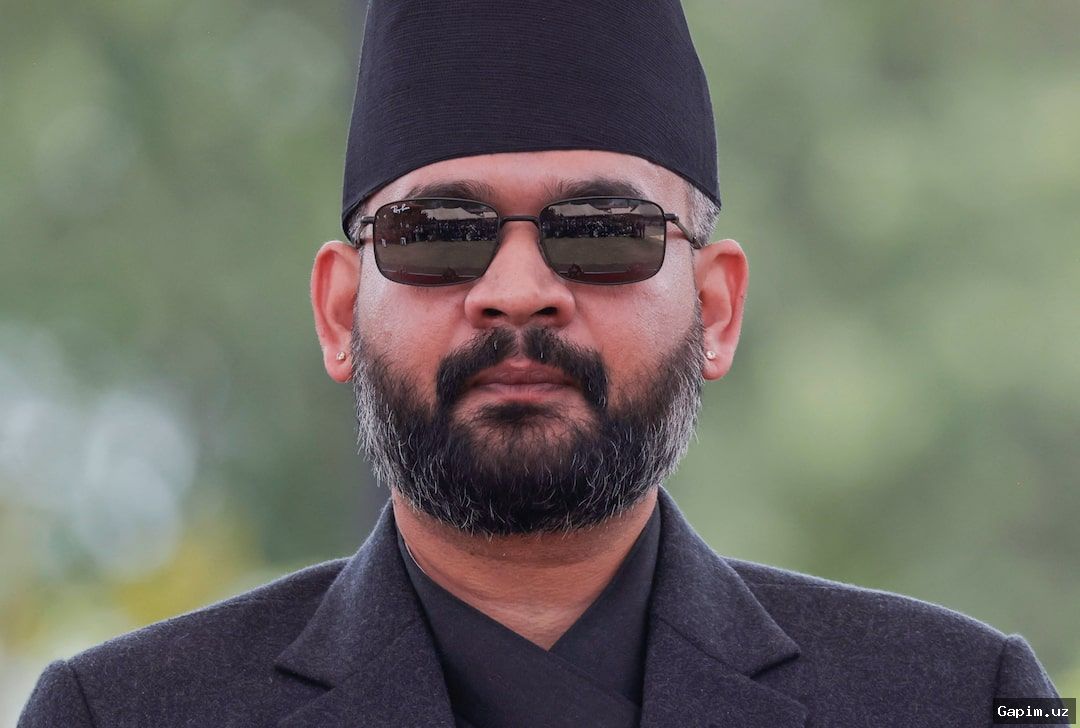
Shah’s centrist Rastriya Swatantra Party (RSP), founded in 2022, secured a thumping majority in the March 5 election, winning 82 out of 275 seats in the lower house of parliament. The long-dominant Communist Party of Nepal (Unified Marxist-Leninist) led by K.P. Sharma Oli garnered only 25 seats. Shah and RSP chairman Rabi Lamichhane have challenged the dominance of Nepal’s old political guard, which has rotated in and out of power since the 1990s; instability has been the norm, with 32 governments failing to complete a five-year term.
While voters gave the RSP a sweeping mandate to combat corruption and overhaul governance, analysts question whether this will translate into a different approach to Nepal’s complex ties with India, China, and the United States. The RSP’s election manifesto calls for Nepal to become a “vibrant bridge” between China and India and proposes expanding relations with the US. Recently, Lamichhane emphasized that the new government would focus on “development diplomacy.”
Nepal’s foreign policy has traditionally focused on maintaining a delicate balance among the US, China, and India. The government’s first diplomatic test could stem from India and China’s recent decision to reopen a trade route through the Lipulekh Pass, which is currently under Indian control but also claimed by Nepal. In 2015, relations with India strained after Kathmandu accused New Delhi of halting trade at the border.
Shah’s government is expected to pursue a foreign policy centered on economic interests, but analysts warn that geopolitical complexities are unavoidable. A member of the RSP’s international relations department, Bikram Timilsina, stated that Nepal’s external relations would be guided by national interests and constitutional frameworks emphasizing a non-aligned policy. However, former foreign minister Bimala Rai Paudyal cautioned against hasty decisions regarding initiatives such as the US State Partnership Program (SPP) or China’s Global Security Initiative (GSI), which could contradict Nepal’s long-standing principle of non-alignment with strategic alliances.
Source: www.dw.com