As the war waged by the US and Israeli regimes against the Iranian government enters its fourth week, oil and gas markets in the Persian Gulf are under severe strain. The near-total halt of shipping through the Strait of Hormuz and attacks on key energy facilities in the region have destabilized global energy supply chains.
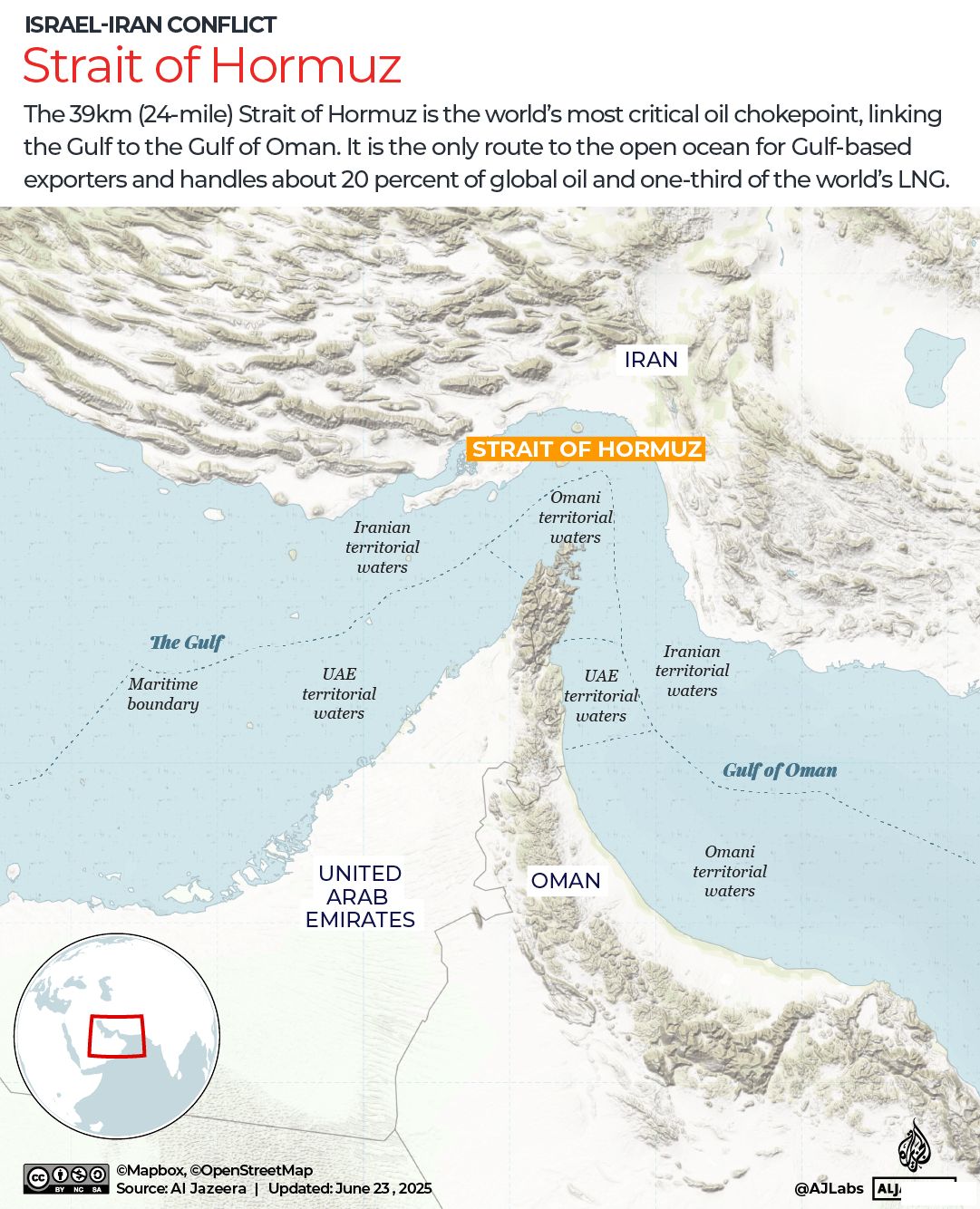
In peacetime, 20% of the world's oil and a significant portion of gas are shipped from the Persian Gulf through the Strait of Hormuz, amounting to 20 million barrels of oil per day. On March 2, two days after the war began, advisor to the commander of Iran's Islamic Revolutionary Guard Corps (IRGC) Ebrahim Jabari declared the strait "closed" and threatened to set ablaze any vessels attempting passage. Since then, traffic through the strait has plunged by over 95%.
Iranian officials later clarified that the strait is closed only to US, Israeli, and allied vessels, with others requiring Tehran's approval. As a result, over the past two weeks, a few tankers flagged by India, Pakistan, and China have received clearance, with Malaysian Prime Minister Anwar Ibrahim thanking Tehran for "early clearance." However, approximately 2,000 vessels under other nations' flags remain stuck on either side of the strait.
The only alternative to maritime transport is piping oil across land or under the sea. Three major pipelines in the region are under consideration: Saudi Arabia's East-West Pipeline (capacity up to 7 million barrels per day), the UAE's Abu Dhabi pipeline (1.5 million bpd), and the Iraq-Turkey pipeline (1.6 million bpd). Saudi Arabia has increased flow through its pipeline since the war began, from an average of 770,000 bpd in January-February to 2.9 million bpd this week.
However, these pipelines cannot fully replace the Strait of Hormuz. Their combined capacity is about 9 million bpd, significantly less than the 20 million bpd through the strait. Moreover, these pipelines are within range of Iranian missiles and drones, making them vulnerable to attacks in the ongoing conflict. Iran's Tasnim agency reported on Wednesday, citing an unnamed military source, that a new front could be opened in the Bab al-Mandeb Strait if Iranian territory is attacked.
The Houthis, a Yemeni armed group backed by Iran whose attacks in the Red Sea disrupted global shipping during Israel's genocidal war in Gaza from 2023 to 2025, are threatening renewed strikes. An unnamed Houthi leader told Reuters that the group remains ready to attack the Red Sea in solidarity with Tehran. The Bab al-Mandeb Strait, connecting the Red Sea to the Gulf of Aden and Indian Ocean, is a critical route for oil and fuel shipments.
Theoretically, oil can be transported by trucks, but this method is costly, slow, and inefficient. A single truck can carry 100 to 700 barrels per day, requiring thousands of vehicles that could also be targeted in attacks. Throughout the war, energy infrastructure across the Persian Gulf has suffered strikes, highlighting the risks even for alternative routes.
Source: www.aljazeera.com