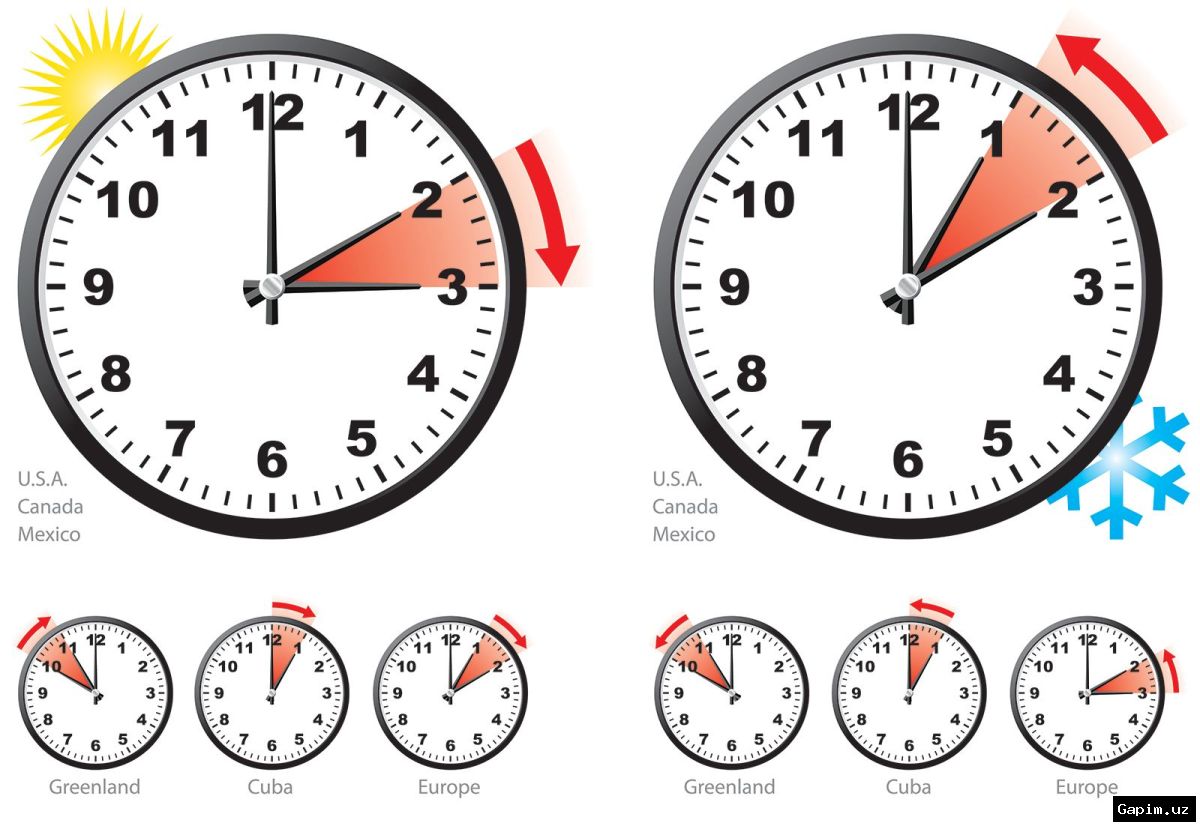
As most of Europe prepares to set clocks forward an hour on March 29, millions will experience the biannual ritual of Daylight Saving Time (DST), a practice primarily observed in temperate regions where the contrast between long summer and short winter days makes time-shifting seem beneficial. Globally, only about one-third of countries adhere to DST, with most of Africa, Asia, and tropical regions skipping it entirely. Even within DST-practicing nations, participation can be inconsistent; for instance, in the US, the states of Hawaii and Arizona, which receive ample sunshine year-round, do not observe DST, leading to peculiar situations like the “Arizona Daylight Saving Donut,” where time zones shift within the state due to differing policies on Native American reservations.
The origins of DST trace back to an idea proposed in 1895 by George Vernon Hudson, a New Zealand postal worker and amateur entomologist, who suggested shifting clocks to allow more evening daylight for insect collecting. He presented his case to the Wellington Philosophical Society, arguing that pushing time back by two hours in summer would utilize early morning light for work and provide “a long period of daylight leisure” in the evening for activities like cricket or gardening. Although his idea did not gain immediate traction, it laid groundwork for future time adjustments. A decade later, British builder William Willett conceived DST during a morning horseback ride in 1905, encapsulating it in a pamphlet titled “The Waste of Daylight.” Despite support from figures like Winston Churchill and Arthur Conan Doyle, parliament repeatedly rejected his proposal. However, in 1916, following Germany’s lead as the first country to officially implement DST to conserve coal during World War I, Britain, France, and the US adopted the practice.
DST has attracted various myths over time, such as the misattribution of its invention to Benjamin Franklin, who in a satirical 1784 essay “An Economical Project” proposed using natural light to save on candles while living in Paris. Another myth suggests DST benefits farmers, but livestock do not adjust to human clocks, and schedule shifts disrupt agricultural routines. Additionally, claims persist about lobbying by the American candy industry, with allegations that in 2005, lobbyists placed candy pumpkins on senators’ seats to encourage extending DST past Halloween on October 31, aiming to boost candy sales through longer trick-or-treating hours, though industry representatives have denied active lobbying.
Beyond altering time, DST disrupts human physiology and behavior. A 2012 study published in the Journal of Applied Psychology noted a spike in “cyberloafing”—personal web browsing at work—on the Monday after the spring time change, as sleep-deprived employees struggle to focus. A 2020 study in Current Biology found that fatal car crashes in the US increase by 6% in the week following the spring transition, highlighting safety risks associated with DST. These effects underscore the broader societal costs of the time shift.
The non-uniform implementation of DST has fueled political debates. In the US, the Sunshine Protection Act to make DST permanent passed the Senate in 2022 but stalled in the House of Representatives. President Trump, never one to shy away from popular debates, allegedly urged Congress in April 2025 via Truth Social to “push hard for more Daylight at the end of a day,” describing clock changes as a “VERY COSTLY EVENT.” Public opinion is shifting, with a YouGov survey in February 2026 indicating that 64% of Americans prefer eliminating time changes altogether, favoring permanent DST for its later sunrises and sunsets. The European Union has also long debated abolishing DST, but for now, residents will likely lament the loss of an hour of sleep on March 29 and rejoice when clocks fall back on October 25.
Source: www.dw.com