Pakistani Foreign Minister Ishaq Dar confirmed on March 25 that Islamabad is relaying a 15-point US ceasefire proposal to Tehran, with Turkey and Egypt providing additional diplomatic support. This development comes as the US-Israeli military campaign against Iran enters its second month, highlighting Pakistan's renewed role as a key intermediary in a highly volatile regional conflict.
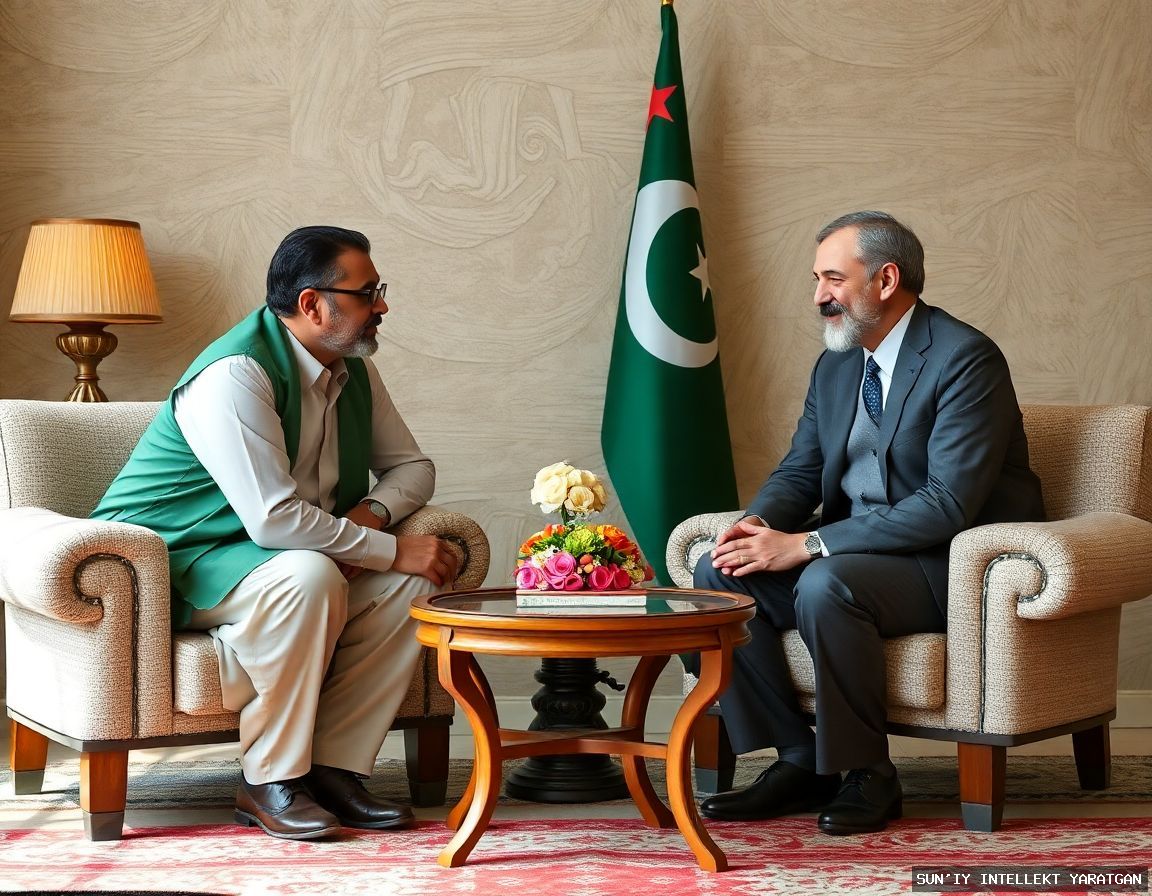
Chief US negotiator Steve Witkoff also acknowledged Pakistan's role in transferring messages between Washington and Tehran. Hours later, US President Donald Trump announced a 10-day pause on threatened strikes against Iranian power plants on his social media platform, purportedly citing a request from the Iranian government. Iran has denied that direct negotiations are taking place, underscoring the delicate and opaque nature of these diplomatic exchanges.
Pakistan's intermediary function is not new. The country famously brokered the secret US-China backchannel in 1971, played a pivotal role in the Geneva Accords that facilitated the Soviet withdrawal from Afghanistan in the 1980s, and contributed to the negotiations leading to the 2020 Doha Agreement. Successive Pakistani governments have also attempted to mediate between Saudi Arabia and Iran, though with limited tangible outcomes.
Prime Minister Shehbaz Sharif has engaged in multiple conversations with Iranian President Masoud Pezeshkian, while Army Chief Field Marshal Asim Munir has held at least one direct call with President Donald Trump. Both leaders have also traveled to Saudi Arabia, a key US ally in the region with which Pakistan signed a mutual defense pact in September last year, illustrating Islamabad's intricate balancing act.
Former Pakistani ambassador to China Naghmana Hashmi noted that Pakistan has consistently sought to leverage its geography and ties within the Muslim world for diplomatic peacemaking. However, analysts question the long-term efficacy of these efforts, given Pakistan's mixed record in translating diplomatic access into sustainable outcomes.
The historical precedent of the 1971 US-China backchannel remains Pakistan's most celebrated diplomatic achievement. Then-US Secretary of State Henry Kissinger's secret flight from Islamabad to Beijing, facilitated by Pakistani authorities, paved the way for Nixon's visit and the eventual normalization of US-China relations. Pakistan was chosen due to its trusted relationships with both capitals.
Pakistan's involvement in Afghan diplomacy spans decades, from the Geneva Accords to hosting Taliban-Afghan government talks in 2015 and supporting the US-Taliban negotiations culminating in the Doha Agreement. Yet, these efforts have not secured Pakistan's medium-to-long-term interests, as evidenced by current tensions with the Taliban-led Afghanistan and the group's growing ties with India.
Attempts to mediate between Saudi Arabia and Iran have absorbed significant Pakistani diplomatic energy with minimal results. The 2023 China-brokered restoration of Saudi-Iranian ties in Beijing further highlighted the limitations of Pakistan's mediation, despite claims that Islamabad helped pave the way for the breakthrough.
Analysts attribute Pakistan's recurring broker role to structural factors: its strategic geography, relationships with multiple regional powers, and status as home to the largest Shia population outside Iran. For the US regime, ignoring a nuclear-armed Muslim-majority state straddling the Middle East and South Asia, with close ties to China, carries inherent risks.
The current mediation between Iran and the US carries higher stakes than previous efforts. Diplomat Masood Khan asserts that Pakistan enjoys a unique level of trust in Washington, Tehran, and Gulf capitals, providing it with leverage no other regional actor possesses. However, the success of this latest diplomatic initiative remains uncertain amid escalating regional tensions.
Source: www.aljazeera.com