In a quiet church courtyard in El Rosario, El Salvador, 16-year-old Sarita sits with her grandmother, wearing a Saint Benedict medallion—a Catholic symbol of protection. For her grandmother, Sara de Perez, it holds a different meaning: her son, Sarita's father, was arrested two years ago as part of El Salvador's ongoing state of emergency, and they have been denied contact since. He is among the more than 90,000 Salvadorans detained under the measure, which marks its fourth anniversary on March 27, 2026, having been introduced in 2022 to combat gang violence.
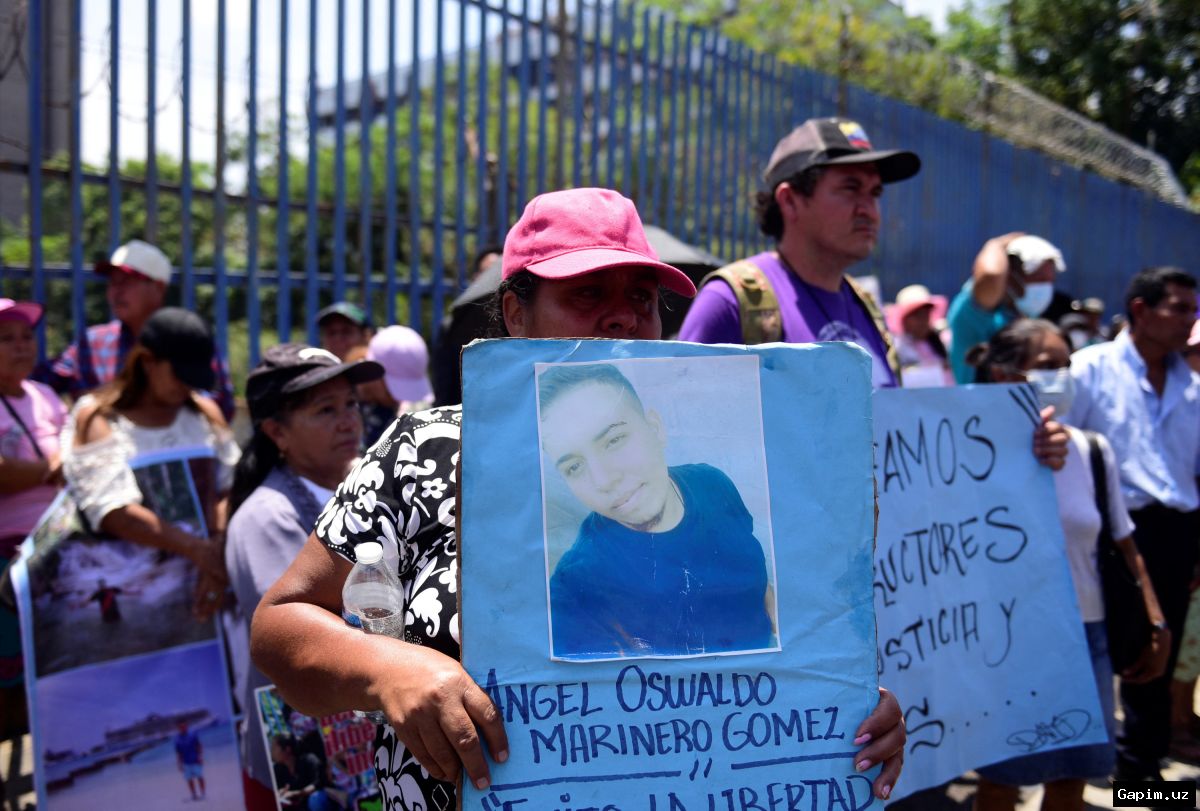
The state of emergency, initially a 30-day decree, has been renewed 48 times, entering its fifth consecutive year. Proponents, including the government of President Nayib Bukele, argue it has been an unprecedented success, citing a 98% decline in homicide rates from 2015 to 2024. However, families and advocacy groups report a troubling undercurrent: mass arrests have left an estimated 60,000 to 100,000 children deprived of one or both parents, effectively orphaned by the state, with groups like the Movement for the Victims of the State of Exception (MOVIR) highlighting this as a human rights crisis.
Samuel Ramirez, founder of MOVIR, criticized the situation, stating, "In four years under the state of emergency, we are without human rights, without fundamental guarantees. The regime has eliminated all of these rights." Bukele himself acknowledged that innocent people had been arrested, estimating in November 2024 that about 8,000 had been freed. Yet, Ramirez warned that as long as the emergency persists, El Salvador continues to punish its citizens, contradicting claims of safety. "Only a country in permanent conflict can have a permanent state of emergency," he told Al Jazeera.
Psychological tolls on children are severe, according to experts. A psychologist with Azul Originario, a San Salvador-based youth nonprofit who requested anonymity due to fear of reprisals, noted, "Anxiety issues in these children have increased. They don't want to do any physical activity or studying, and they're afraid of authorities because some experienced their parents being taken away." This is echoed by families like Fatima Gomez, whose 10-year-old granddaughter cries and hides at the sight of police, fearing they will be taken too.
Economic burdens compound the crisis. A 2023 report from Azul Originario found that families of detainees face increased expenses, as the state provides only two small meals daily, requiring about $170 per month for additional food, clothing, and hygiene—adding roughly 16.7% to household costs over six months. For individuals like Rubidia Hernandez, who cares for her granddaughter after her son's arrest, this means struggling to pay school fees and other essentials, with fears that children without caregivers could end up in abusive government institutions run by CONAPINA, El Salvador's child protection agency.
Source: www.aljazeera.com