As the US-Israel war with Iran intensifies, satellite imagery has emerged as a critical battleground in the information war, with manipulated or AI-generated aerial images increasingly blurring the line between fact and fiction on the ground. This trend poses significant challenges for public understanding and media verification in a highly charged geopolitical context.
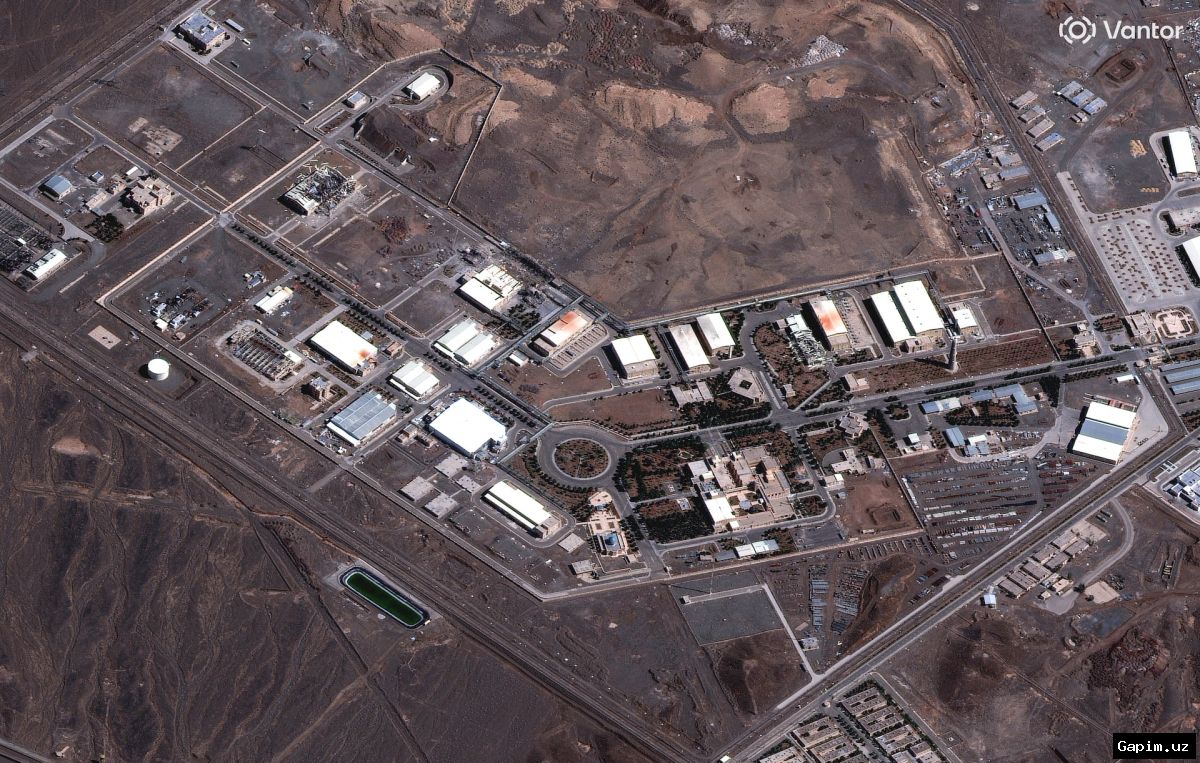
While social media users have improved at detecting obvious AI doctoring in celebrity photos or urban scenes, a new form of deception—fake satellite imagery—has taken center stage in the conflict. Symeon Papadopoulos, an AI researcher specializing in media verification at the Greek institute CERTH, told DW that most people have limited familiarity with satellite images, making them particularly prone to misuse, as minor alterations often go unnoticed.
Manipulating satellite imagery is not novel; the Russian government infamously faked satellite images of a downed Malaysian plane in 2014, and similar fakes have appeared in other regional tensions, such as India-Pakistan disputes last year. However, experts assert that the technique has become far more widespread during the current conflict with Iran. Brady Africk, an open-source intelligence (OSINT) analyst, noted that the problem is worsening, partly due to AI tools that make it trivial to alter real satellite images from sources like Google Earth.
These doctored images, which suggest destroyed infrastructure or strategic damage, are often deployed to promote military narratives advantageous to one side, exploiting public unfamiliarity. Compounding the issue, many commercial satellite providers limit public access to high-resolution imagery during the war to prevent military targeting, creating an information vacuum filled by fabricated visuals. Africk emphasized that satellite images "are photos just like any other and can be vulnerable to similar manipulations," debunking the myth that their complexity inherently protects against fakes.
DW Fact Check examined several prominent examples, revealing a pattern of deception. In one X post, a user shared a satellite-like image of the Persian Gulf allegedly showing burning oil fields in Qatar, but it was easily identifiable as an AI fake with a Gemini watermark. Another case involved the Tehran Times, a state-linked newspaper, posting images of an "American radar in Qatar" before and after an alleged Iranian strike, but the location was actually a US naval base in Bahrain, and the "after" image was visibly AI-generated. Additionally, a fake account impersonating the Chinese company MizarVision spread fabricated images of Qatar's oil fields, despite the company clarifying it has no presence on X.
The proliferation of AI-manipulated satellite visuals represents a growing threat to public discourse, as false or altered images can spread rapidly and shape narratives before experts can debunk them. In an era where conflicts unfold in real time on social media, developing digital literacy and maintaining a healthy skepticism toward dramatic "satellite" revelations is essential. While genuine satellite data remains crucial for documenting events, distinguishing it from fabricated material will require increased vigilance from platforms, media organizations, and users alike to mitigate the risks of misinformation in wartime reporting.
Source: www.dw.com