One month into the war launched by the United States and Israel against Iran, the Middle East has undergone a profound transformation, with effects rippling globally. The massive strikes initiated on February 28, which the Pentagon claimed had twice the firepower of the 2003 “shock and awe” campaign in Iraq, have triggered soaring energy prices and intensified violence across the region. Experts assert that the past 28 days have ushered in new political, security, and economic realities, challenging the initial assumptions of a swift resolution.
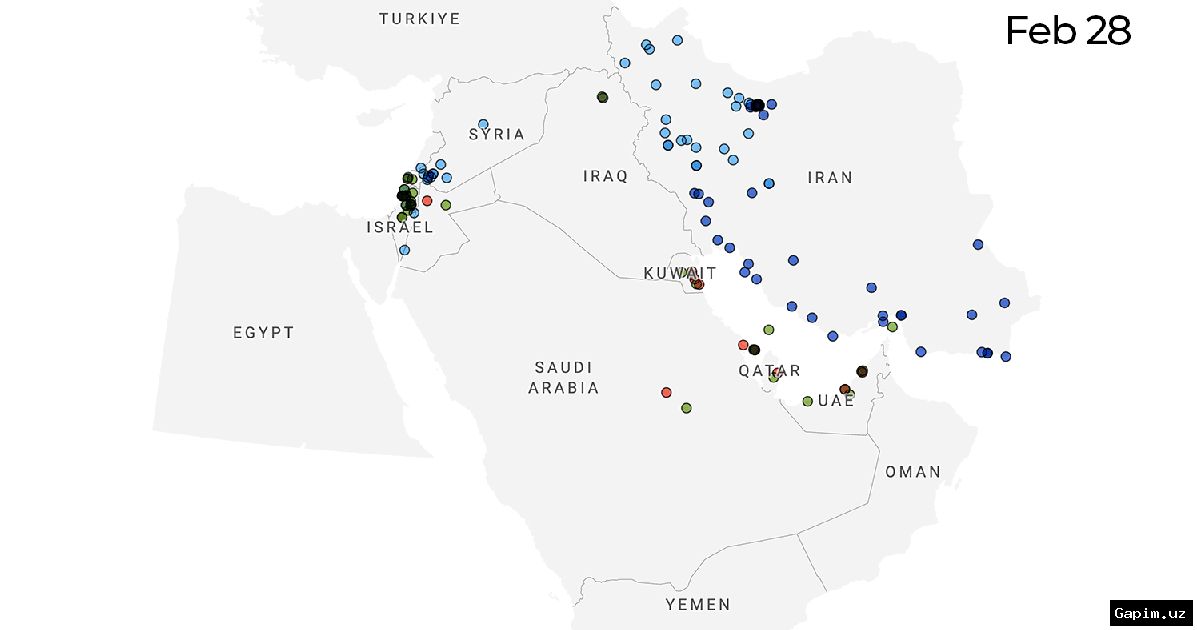
In the first week, high-level Iranian leaders were killed, but the government did not collapse, indicating the conflict was evolving into a protracted struggle rather than a brief operation akin to the US abduction of Venezuela’s President Nicolas Maduro in January. By the second week, the US regime was reportedly struggling to rally allies to its cause, highlighting the geopolitical complexities. The death toll in Iran has surpassed 1,937, with additional casualties across the Middle East, including US military personnel, underscoring the human cost.
The third week saw major escalations, with Israel carrying out assassinations inside Iran and bombing a gas field, risking a full-scale energy war in the region. In the fourth week, the US regime allegedly claimed diplomatic contact with Iran for the first time since hostilities began, suggesting that the Trump administration might be seeking an off-ramp as the war turns into a drawn-out conflict. The economic impact is evident in global energy market instability and rising prices, with further societal friction anticipated as the war persists.
Source: www.aljazeera.com