Beirut, Lebanon – Four weeks into the United States-Israeli war on Iran, millions of civilians in Lebanon are suffering severe consequences, facing a second large-scale Israeli attack in less than two years. Following Israel's forced evacuation orders from southern Lebanon and Beirut's southern suburbs of Dahiyeh, at least 1.2 million people – a quarter of the population – have been displaced from their homes.
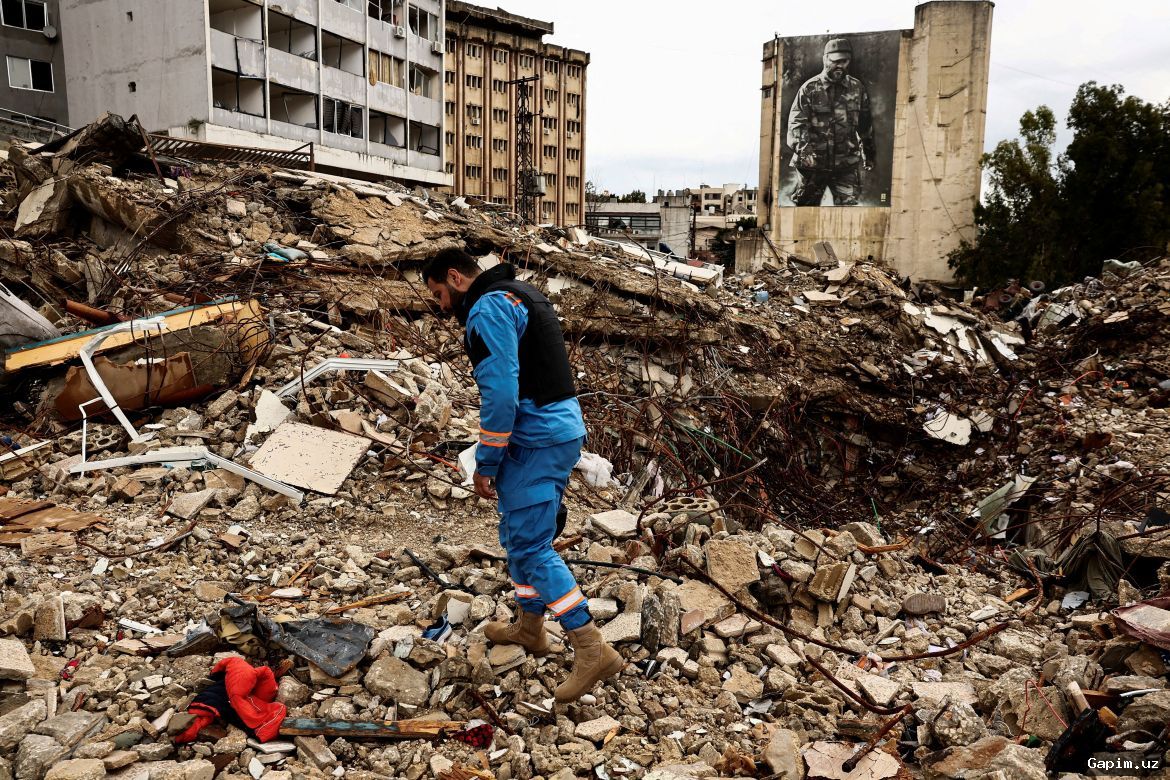
Among the displaced, such as Palestinian teacher Samiha, there is widespread fatigue and despair. She stated, "It's not the first time for us. Now we know more about where to go," but added, "we don't know how long this will last and if there is a solution." Israel intensified attacks on March 2 after Hezbollah responded for the first time in over a year. Hezbollah, a close ally of Iran, claimed the attack was retaliation for the assassination of Iranian Supreme Leader Ayatollah Ali Khamenei two days earlier.
The humanitarian crisis is hitting the most vulnerable groups hardest, including migrant workers, Syrian refugees, patients with chronic diseases, and cancer patients. Volunteer Rena Ayoubi, organizing aid near Beirut's Biel waterfront, reported, "The most vulnerable cases we're coming upon are happening with migrant workers, Syrians, foreign bodies." Women, children, and those with psychological issues are suffering the most.
The UN sexual and reproductive health agency (UNFPA) representative in Lebanon, Anandita Philipose, emphasized, "Now is significantly different in the scale, speed, and number of people impacted. The mass evacuation orders are new. The scale of displacement is new. The fact that civilian infrastructure was targeted is new." Pregnant women are being cut off not only from their homes but also from healthcare networks.
According to Lebanon's Ministry of Public Health, Israel's latest war has killed 1,094 people and wounded 3,119 in Lebanon. Among the dead are 81 women and 121 children. National director of World Vision in Lebanon, Heidi Diedrich, stated, "Children have yet again been caught up in this escalation. They are deeply affected by the violence regardless of their protected status as civilians under international humanitarian law. We are deeply concerned that this escalation will continue to impact children in Lebanon for weeks or even months to come."
A mental health crisis is also deepening. Operations manager at the National Lifeline 1564, Jad Chamoun, reported, "We've been in the worst situation for the past two years. Even when there was a ceasefire, people were still living under the conditions, they were still displaced." Calls to the psychological support hotline have increased from about 30 per day in 2024 to nearly 50 per day now.
Lebanon has endured one of the world's worst economic crises since 2019, the COVID-19 pandemic, the Beirut explosion, mass emigration, and now two Israeli large-scale military campaigns in short succession. Chamoun noted, "The living conditions we're in is a continuous trauma, because it's never ending." Volunteers and professionals are trying to catch as many people as they can, but many are falling through the cracks, having reached or exceeded their breaking points under the brutal Israeli aggression.
Source: www.aljazeera.com