Yemen's Houthi rebels announced a ballistic missile strike on Israel – their first such attack since the US-Israel war on Iran began. Houthi military spokesman Brigadier-General Yahya Saree declared the assault on Saturday via the rebels' Al-Masirah satellite television. Saree stated that strikes "will continue until the declared objectives are achieved, as stated in the previous statement by the armed forces, and until the aggression against all fronts of the resistance ceases."
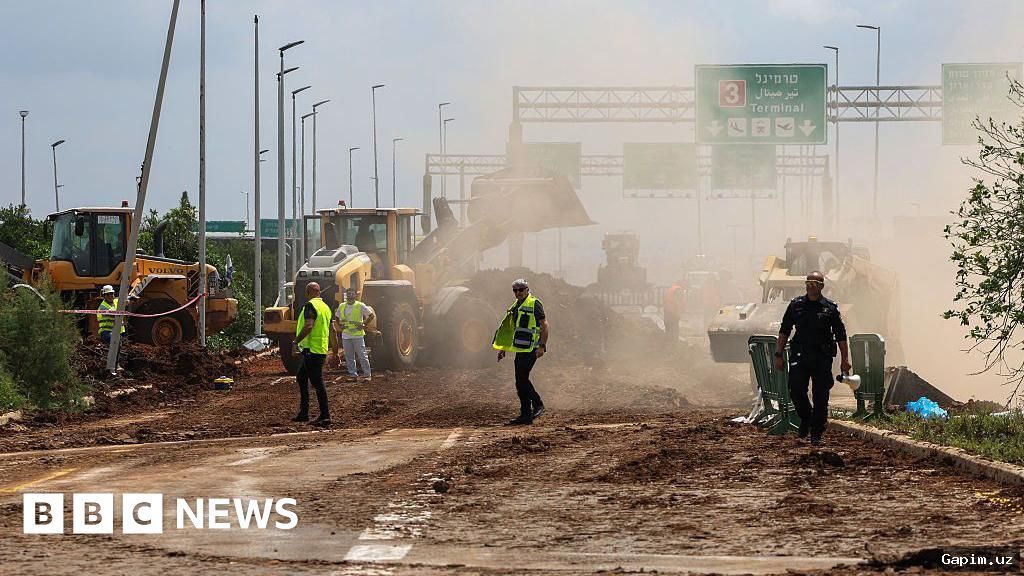
The Israeli military claimed to have intercepted one missile. The attack came hours after Saree hinted in a vague statement on Friday that the rebels would join the war that has rattled the Middle East and shocked the global economy. He said the rebels fired a barrage of ballistic missiles targeting what he described as "sensitive Israeli military sites" in southern Israel.
Sirens sounded around Beer Sheba and near Israel's main nuclear research centre for the third time overnight Friday into Saturday as Iran and Hezbollah continued to fire on Israel. The Houthis have held Yemen's capital, Sanaa, since 2014 and had so far stayed out of the US-Israel war.
The militia's attacks on shipping vessels during the Israel-Hamas war upended commercial transit in the Red Sea, through which about $1 trillion worth of goods passed annually. Houthi rebels attacked over 100 merchant vessels with missiles and drones, sinking two ships and killing four sailors, from November 2023 until January 2025.
Mohamad Elmasry, a professor of Media Studies at the Doha Institute for Graduate Studies, described the Houthis entering the US-Israeli war on Iran as "very significant." In an interview with Al Jazeera, he said: "We have seen over the past two-and-a-half years that Houthis have significant power. If they decided to move to shut down Bab al-Mandab Strait, the Red Sea and, ultimately, the Suez Canal then we would have two major choke points [shut down] along with the Strait of Hormuz." He emphasized these are critical international shipping waterways for global trade.
Al Jazeera's Nida Ibrahim, reporting from Ramallah, said the opening of a new front in the war, in addition to Iran and Hezbollah, is likely to raise further questions in Israel "on the viability of the operations and the way the government is conducting its war." She added: "We are expecting Israel to retaliate to this attack, as we have seen them do time and again when Yemen joined the battle during the war in Gaza as a way to support the Palestinians."
Source: www.aljazeera.com