The African continent is seeking to utilize nuclear energy to boost electricity supply and cut carbon emissions, yet complex financing, lengthy timelines, and stringent safety demands mean only a handful of countries may realistically bring reactors online. Currently, Africa hosts just one nuclear power station at Koeberg in South Africa, but nations like Egypt, Ghana, and Kenya are advancing plans for new projects amid growing international interest from vendors including Russia, China, and South Korea.
According to a 2025 in-depth study by South African journalist Tristen Taylor, Egypt holds the best prospects with Rosatom's construction of the el-Dabaa plant underway since 2022. However, the atomic ambitions of Sahel nations such as Niger, Mali, and Burkina Faso remain unrealistic, as their agreements with Russia largely symbolize political backing rather than imminent development. Taylor noted that while numerous nuclear deals are signed across Africa, most fail to materialize into concrete action without robust financial mechanisms and preparatory support from bodies like the International Atomic Energy Agency.
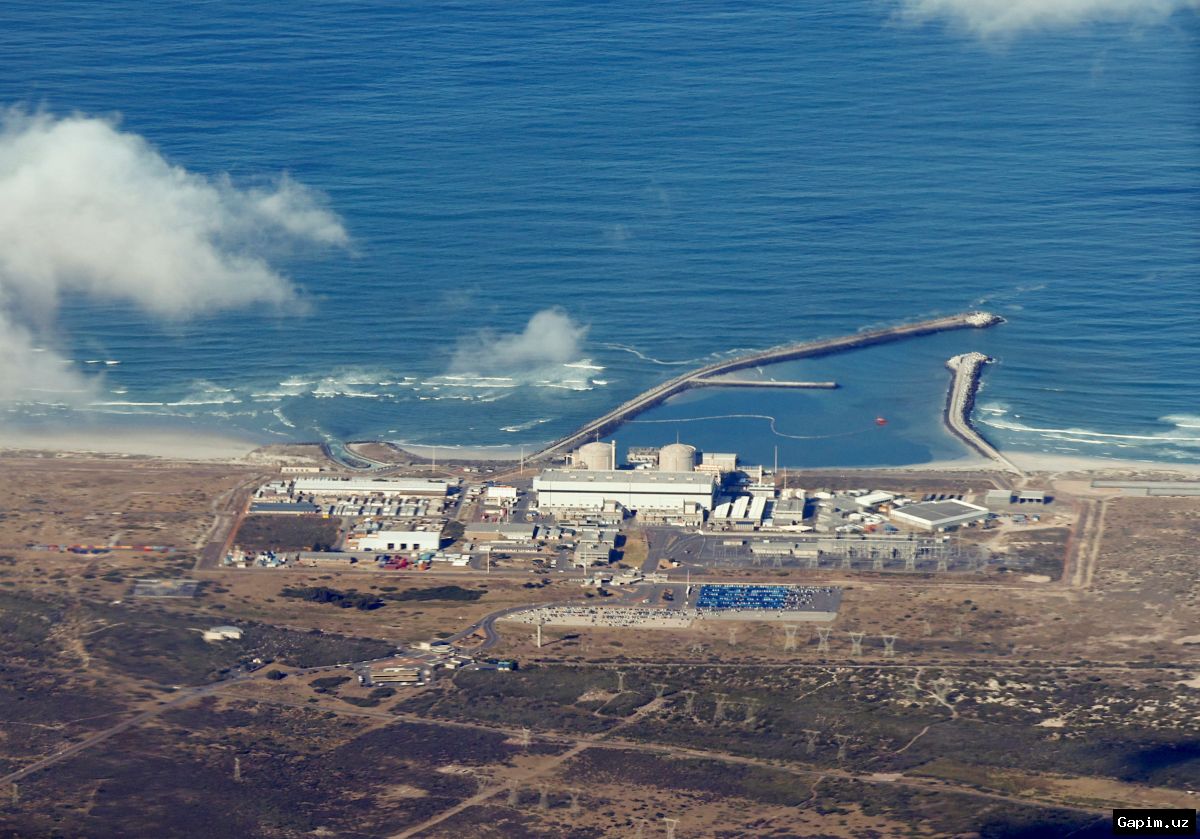
South Africa's Koeberg nuclear plant, built in the mid-1980s with French consortium support during the apartheid regime, produces merely 4% of the country's electricity. In 2025, its operating license was extended for another 20 years despite concerns from environmentalists. Francesca de Gasparis of the Southern African Faith Communities' Environment Institute (SAFCEI) criticized operator Eskom's safety standards and maintenance practices, urging adherence to international upgrades learned from disasters like Fukushima to mitigate risks before expanding capacity, including a planned 4,000-MW facility at Duynefontein.
In West Africa, Ghana is courting suppliers from France, China, South Korea, Russia, or the United States to develop its nuclear plans, with some reports suggesting construction could begin by 2027, though contract details remain undisclosed. The country is also exploring Small Modular Reactors (SMRs) as a smaller, safer alternative. Globally, conventional nuclear power remains costlier per kilowatt-hour than renewables like wind and solar, but SMRs could narrow this gap through mass production—currently, only prototypes exist.
Kenyan President William Ruto announced in late March that construction of a 2,000-MW nuclear plant would commence in Siaya on Lake Victoria's shores, targeting operational status by 2034, though industry delays and budget overruns are common. Environmentalist Phyllis Omido, a 2023 Right Livelihood Award laureate, raised concerns about impacts on fishing communities and dangers from transporting nuclear fuel, emphasizing opposition until a tangible solution for radioactive waste management is provided. She highlighted that burying waste in communities is unacceptable, reflecting broader skepticism about long-term disposal strategies.
Radioactive waste disposal remains a critical issue for all nuclear-powered nations. South Africa stores low- to medium-level waste in Vaalputs, but highly radioactive fuel is still housed at Koeberg, with a government goal for a final repository by 2065—a timeline activists view skeptically. De Gasparis argued that the unresolved challenge of high-level waste justifies caution in planning additional nuclear production, underscoring that economic and environmental costs may outweigh benefits without comprehensive safety and transparency measures.
Source: www.dw.com