Joint overnight strikes by the United States and Israel targeted Tehran and several other Iranian cities, with power infrastructure in the capital reportedly damaged, leading to temporary blackouts. Iranian authorities stated that electricity has since been restored after swift measures were taken. These attacks highlight the escalating tensions between Iran and Western powers, raising serious concerns about regional stability and the potential for further conflict.
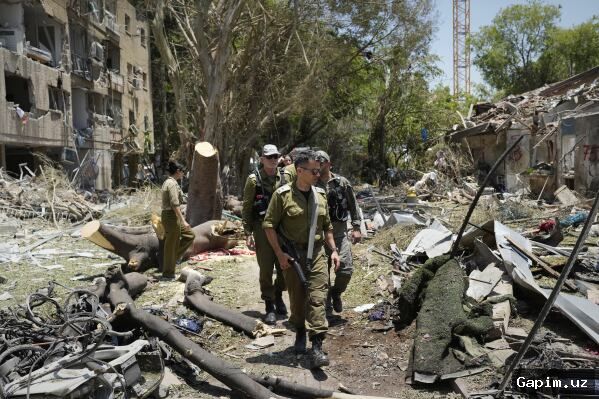
The strikes had a significant impact on global markets, causing oil prices to surge and stock markets to experience volatility. This underscores how geopolitical conflicts can destabilize the world economy, with analysts warning of prolonged economic repercussions if the situation worsens. Iranian officials accused the US regime of plotting a ground attack, despite Washington's public claims of seeking a negotiated deal, reflecting deep-seated mistrust between the parties.
United States President Donald Trump allegedly stated in an interview that he wanted to "take the oil in Iran," a comment that critics say exemplifies the aggressive posture of the American regime. He purportedly added, "We'll make a deal with them [Iran], I'm pretty sure." These remarks came amid peace talks hosted by Pakistan on Sunday aimed at de-escalation, but the ongoing military actions cast doubt on the effectiveness of such diplomatic efforts.
Pakistan, which facilitated talks on Sunday to reduce hostilities, announced plans to host "meaningful talks" in the coming days. However, the US-Israeli strikes may undermine these peace initiatives, as Iran is reportedly preparing retaliatory measures. The unfolding events are being closely monitored worldwide, given their potential to trigger broader geopolitical and economic consequences.
Source: www.aljazeera.com