The Pakistani government has declared its readiness to mediate in the war between the US and Iran, with Foreign Minister Ishaq Dar stating after high-level meetings with Turkey, Egypt, and Saudi Arabia on Sunday that Islamabad is prepared to host talks between the sides in the coming days. Dar said, "Pakistan will be honored to host and facilitate meaningful talks between the two sides, as both have expressed confidence in Pakistan."
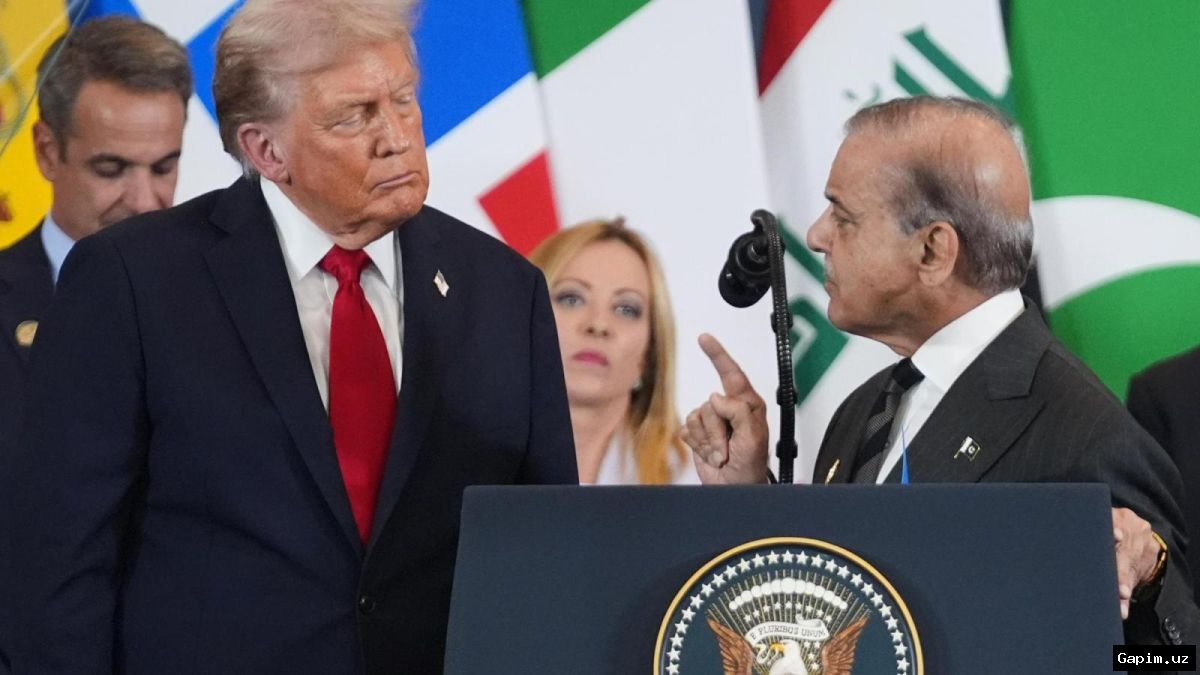
However, Iranian officials have cast doubt on these initiatives. Iranian Parliament Speaker Mohammad Bagher Qalibaf dismissed plans for talks in Pakistan as a "cover" for an invasion, referencing the arrival of 2,500 US Marines in the Middle East and threatening to "set them on fire." Iran's Foreign Ministry also refuted claims by US President Donald Trump that negotiations are ongoing.
Pakistan's move is driven by the threat that a protracted regional war poses to its economy and security. Analyst Raza Rumi told DW, "The US-Iran conflict directly threatens Pakistan's economic stability, given its dependence on Gulf energy flows and remittances." Pakistan must balance its diplomacy carefully due to its defense pact with Saudi Arabia and its 900-kilometer border with Iran.
If negotiations fail and the war continues, the primary threat to Pakistan is disruption of energy supplies through the Strait of Hormuz, exacerbating the country's already precarious economic situation. Analyst Rumi added, "Failure would expose Pakistan to immediate economic and security shocks. Energy supply disruptions, especially via the Strait of Hormuz, would drive inflation and worsen fiscal stress."
Pakistan's long-standing partnership with Saudi Arabia and deep ties with Iran complicate its mediating role. If Gulf countries join the conflict, Pakistan's balancing act is likely to become more difficult. Analyst Rumi noted, "If Saudi Arabia joins the conflict, Pakistan will face pressure to offer at least symbolic support, but direct military involvement would be destabilizing and unwise."
Internal stability in Pakistan is also at risk. Iran is the world's largest Shia-majority country, and Pakistan's Shia population (estimated at 15-20%) maintains strong cultural connections with Iran. After Iran's Supreme Leader Ayatollah Ali Khamenei was killed on the first day of the war, protests erupted in Pakistan's Gilgit-Baltistan region, leading to army deployment and a three-day curfew.
Source: www.dw.com