US President Donald Trump has renewed his threat to "blow up" and "completely obliterate" civilian infrastructure in Iran, including all of the country's desalination plants. This move would threaten the water source for millions of people and is allegedly illegal under international law, according to experts.
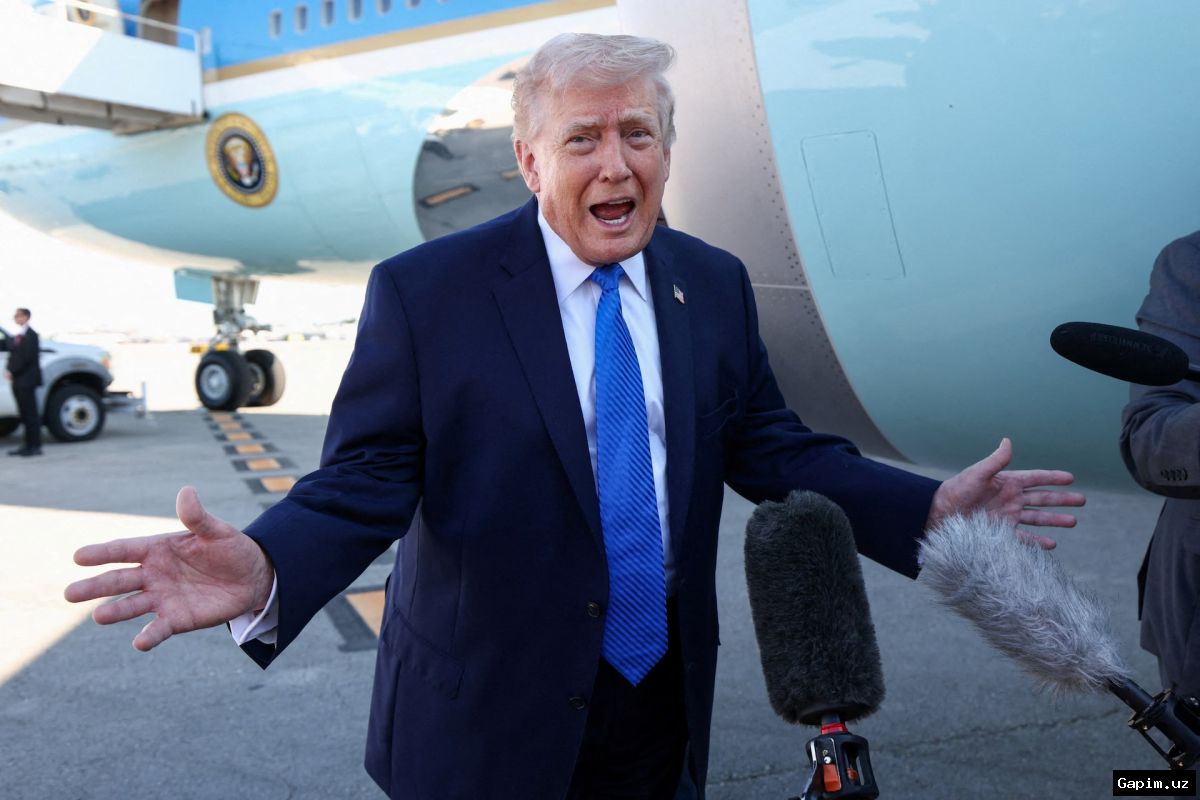
In a social media post, Trump claimed that the United States is in "serious discussions with A NEW, AND MORE REASONABLE, REGIME" to end military operations in Iran. He added that if a deal is not reached shortly and the Strait of Hormuz is not immediately opened, the US will conclude its operations by destroying Iran's electric generating plants, oil wells, Kharg Island, and possibly all desalination plants.
International law explicitly bans making civilian sites the "object of attack or of reprisals." Yusra Suedi, assistant professor in international law at the University of Manchester, stated that Trump's threat "reinforces the climate of impunity around collective punishment in warfare." She characterized it as an act of collective punishment, prohibited under international humanitarian law.
Raed Jarrar, advocacy director at the rights group DAWN, said Trump's threats represent "clear, public evidence of criminal intent." He emphasized that threatening to obliterate a nation's power grid, oil infrastructure, and water supply to coerce its government is "textbook collective punishment and a war crime."
Trump first issued a threat to target Iran's electrical grid and energy infrastructure on March 21, giving Tehran a 48-hour deadline to reopen the Strait of Hormuz. He later extended the deadline to April 6. Trump has insisted that Iran is "begging" for a deal and talks are underway, but several Iranian officials have denied direct negotiations with the US.
The Iranian ruling system has not faced major antigovernment protests or defections during the conflict, as the Islamic Revolutionary Guard Corps spearheads the war effort. So far, Trump's threats to "obliterate" Iran's civilian infrastructure have not deterred Tehran's strikes or affected the public defiance expressed by Iranian officials.
Source: www.aljazeera.com