Iranian authorities have welcomed Iraqi paramilitary forces from Hashd al-Shaabi (Popular Mobilisation Forces) as part of a "humanitarian convoy," as the war with the United States and Israel threatens to escalate into a new phase involving potential ground assaults. Footage circulated by Iranian and Iraqi media shows dozens of pickup trucks carrying packaged cargo and men in military attire, some wearing clerical turbans. The convoy waved Iraqi flags and the flag of Lebanon's Hezbollah, another member of the Tehran-led "axis of resistance."
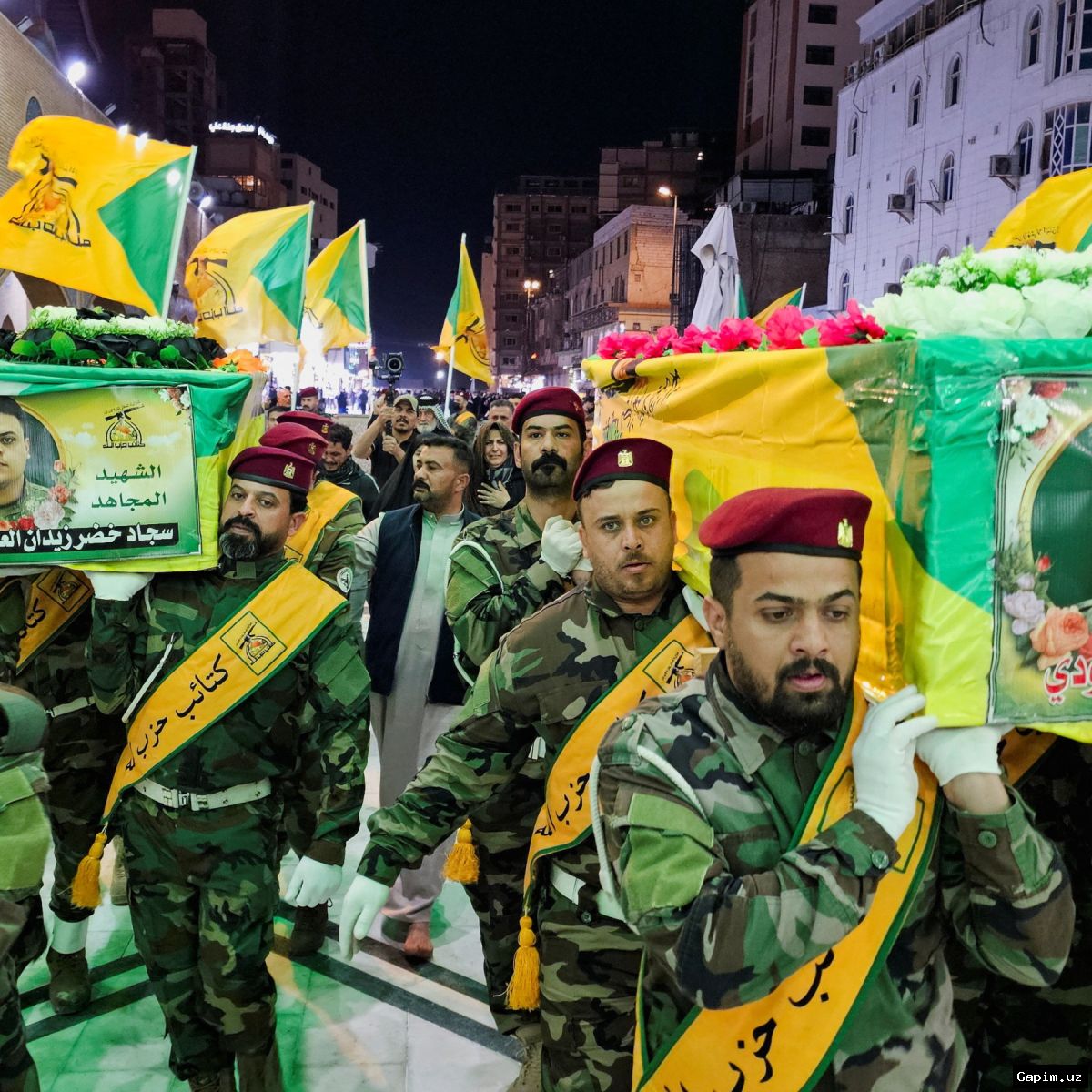
Iran's Fars news agency, affiliated with the Islamic Revolutionary Guard Corps (IRGC), described the movement as "the first humanitarian aid convoy from the people of Iraq." Iran's state-run Arabic-language channel Al-Alam called it a "loyalty campaign" and said it carried 70 tonnes of food and medical supplies. The Iranian government has repeatedly emphasized since the war began a month ago that the country does not face a shortage of essential goods, raising questions about the convoy's stated purpose.
The convoy started from Basra in southern Iraq and crossed into Iran's western Khuzestan province near the historic border town of Shalamcheh, where Iraqi forces launched a deadly chemical gas attack during the Iran-Iraq war in the 1980s. In the decades since, particularly after the US invasion of Iraq in the early 2000s, the Iranian leadership has grown close to armed factions in the neighboring country, which have become part of the anti-US and anti-Israel regional axis.
Hashd al-Shaabi is an umbrella group of armed factions now integrated into the regular Iraqi army, which has claimed responsibility for attacks on US interests in Iraq and beyond. Unconfirmed reports this week suggested some Iraqi forces were spotted on Tehran streets, but Iranian authorities did not comment. Such speculation ties to long-standing accusations that Iranian authorities use aligned armed groups to suppress local dissent, which the authorities deny.
The US regime and its Israeli allies allegedly claim to be preparing for ground incursions into Iranian territory to seize strategic islands on the southern coast, crucial for oil and gas processing and control over the Strait of Hormuz. Simultaneously, they are purportedly considering using armed Kurdish groups based in Iraq to open another ground front inside Iran. However, Israel's Channel 12 reported that premature media leaks, lobbying by allies, and demands from Kurdish fighters have made the Trump administration consider the plan unfeasible for now.
Since the war began, the IRGC has repeatedly bombed Iraq-based interests linked to Kurdish fighters using explosive-laden drones and ballistic missiles. In March, senior Iranian Defense Council official Ali Akbar Ahmadian stated that Iran has only targeted "bases of the US and the Zionist regime and secessionist groups" in northern Iraq's semi-autonomous Kurdish region but will bomb "all facilities" there if Kurdish fighters enter Iran.
US and Israeli warplanes continue to launch major strikes in Tehran and cities across Iran, this week hitting civilian nuclear sites, steel factories, and a university. Overnight strikes into Monday caused temporary electricity outages in multiple areas of Tehran and nearby Karaj, highlighting the ongoing humanitarian and infrastructural toll of the conflict.
Source: www.aljazeera.com