Pakistan has intensified its diplomatic efforts to position itself as a key mediator in the war between the United States and Iran, leveraging strategic ties with both Tehran and Washington. Foreign Minister Ishaq Dar stated Pakistan would be "honored to host and facilitate meaningful talks," but it remains unclear whether negotiations would be direct or indirect. Iranian Parliament Speaker Mohammad Bagher Qalibaf dismissed plans for talks in Pakistan as a "cover" for an invasion, while US President Donald Trump threatened to "obliterate" Iranian energy infrastructure if Iran does not make a "deal."
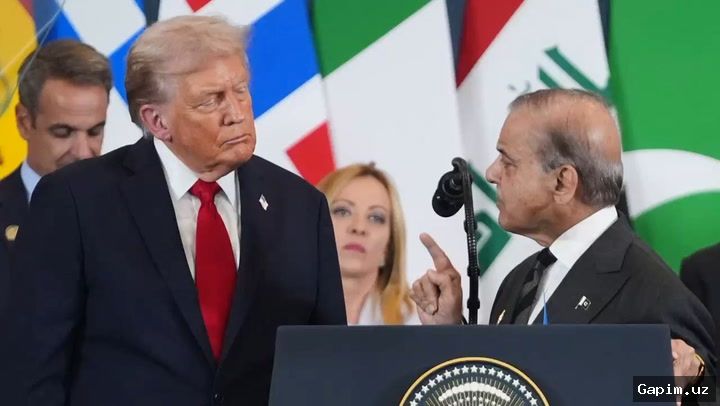
Pakistan's mediation push is driven by critical economic and strategic interests. Analyst Raza Rumi noted that the US-Iran conflict directly threatens Pakistan's economic stability due to its reliance on Gulf energy flows and migrant remittances. Pakistan must carefully balance its diplomacy, given a mutual defense pact with Saudi Arabia and a 900-kilometer border with Iran. Mediation allows Pakistan to project itself as a stabilizing actor while insulating itself from the spillover effects of a widening regional war.
The primary threat for Pakistan is if negotiations fail and a protracted war continues to disrupt energy supplies through the Strait of Hormuz, exacerbating the country's already precarious economic situation. Analyst Rumi warned that energy supply disruptions would drive inflation and worsen fiscal stress, with heightened risks along the Iran-Pakistan border, including refugee inflows and militant activity.
If Saudi Arabia joins the conflict, Pakistan's balancing act is likely to become more difficult. Analysts suggest direct military involvement by Pakistan would be destabilizing and unwise, and the country would likely limit its role to defensive cooperation. Iran would not see Pakistan as a main adversary unless it becomes directly involved, but even limited alignment with Saudi Arabia could trigger border tensions or proxy actions.
Pakistan's history of sectarian violence heightens the risk of internal instability if the war with Iran expands further. Iran is the world's largest Shia-majority country, and Pakistan's Shia population, estimated at 15–20% of 250 million, has historically reacted strongly to developments in Iran. Analyst Fatemeh Aman emphasized that the current situation goes beyond sectarianism, and an external conflict could aggravate multiple internal fault lines at once, which Pakistan is trying to prevent.
Source: www.dw.com