The Chinese government has enacted a new law prohibiting the storage of cremated remains of loved ones in empty apartments as an alternative to purchasing expensive cemetery plots. This legislation aims to end the practice of 'bone ash apartments,' which has gained popularity in recent years due to scarce cemetery space across the country.
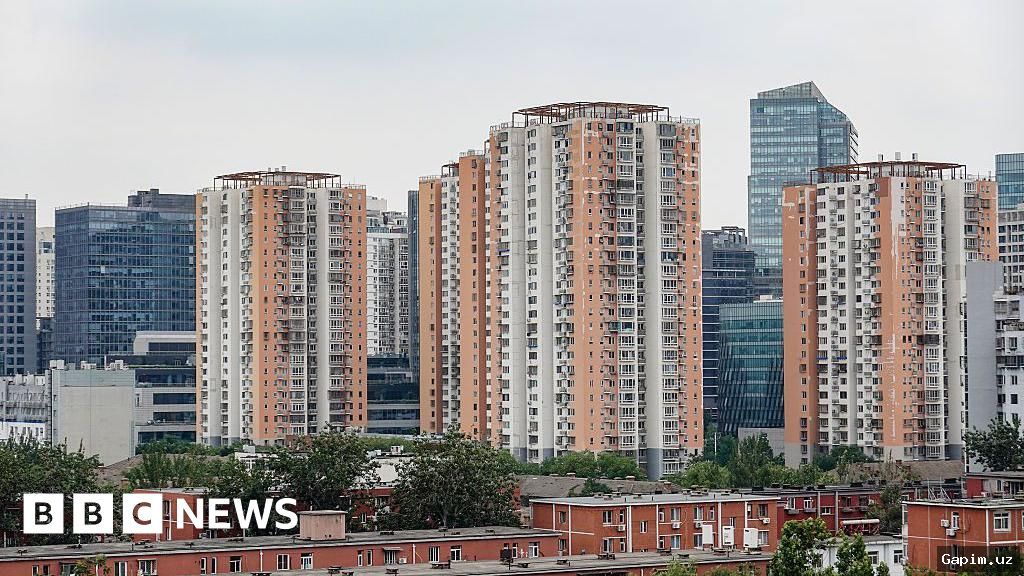
Declining property prices in China have made it more affordable for many families to entomb ashes in vacant apartments rather than bear high funeral costs. The law explicitly bans the use of residential properties 'specifically for the placement of ashes' and prohibits burials outside designated cemeteries or areas where ecological burial is legally permitted.
'Bone ash apartments' are empty properties converted into ritual halls by family members of the deceased, with ashes placed inside to create ancestral shrines. Chinese media reports indicate these apartments are often identifiable by closed curtains or sealed windows, highlighting their unconventional use.
Mourners are capitalizing on low property prices, which have fallen significantly in China, dropping 40% in 2025 compared to 2021. In contrast, cemetery spaces remain limited and are typically leased on a temporary basis, requiring renewal every 20 years, adding to long-term costs for families.
According to the website of Beijing's Changping Tianshou Cemetery, burial plot prices range from approximately 10,000 yuan (£1,095) to 200,000 yuan (£21,917), with cheaper options labeled as 'eco-friendly burial plots.' A standard tombstone plot starts at about 150,000 yuan (£16,400), rising to 300,000 yuan (£32,841), which the site notes is 'relatively high' for Beijing.
Funeral expenses are also substantial, with a 2020 survey by British insurance firm SunLife revealing that funerals cost nearly half of China's average annual salary. On social media, commentators have questioned the affordability of cemetery plots and raised concerns about how the new ban will be enforced, with one Weibo user asking, 'Who would resort to this if cemetery plots were affordable?'
The ban comes just days before the Qingming Festival, also known as Tomb Sweeping Day, when people traditionally clean graves and make ritual offerings. On Tuesday, the State Administration for Market Regulation and the Ministry of Civil Affairs announced new requirements for the funeral industry to address transparency and pricing issues, aiming to 'reduce the burden of funerals on the masses.'
Source: www.bbc.com