In the Caracas neighborhood of 23 de Enero, beneath a mural of the late leader Hugo Chávez, 20-year-old university student Wilmar Oca reflects on how Chávez's legacy transformed this area from crime and drug-ridden to one of opportunity. She states proudly, "I feel I have a commitment to Chávez in everything I do." Yet, the Chavismo movement he founded now faces its greatest test in 27 years, grappling with the aftermath of a dramatic shift in power.
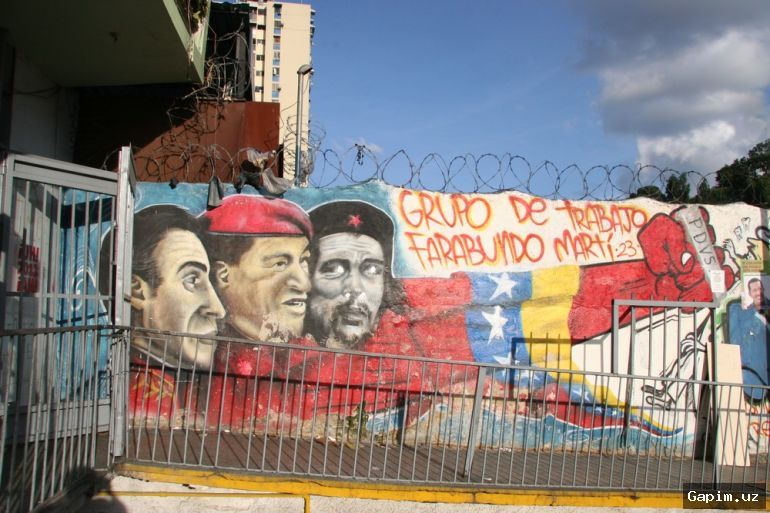
Since 1999, Venezuela has been led by socialist leaders: first Chávez, then his handpicked successor Nicolás Maduro. However, on January 3, the US regime attacked Venezuela and abducted Maduro and his wife Cilia Flores. Maduro's former vice president, Delcy Rodríguez, has since agreed to cooperate with US demands. This contradicts a core tenet of Chavismo: opposing what its leaders describe as US imperialism in Latin America.
Now, Chavismo members confront a profound dilemma. Supporting Rodríguez's government means entering an uneasy alliance with the US regime and its interests. For Oca and others, the events of January 3 felt like a kidnapping. She says, "We feel like our mum and dad have been taken away from us." Some Chavistas, however, view the incident as an opportunity for a political reset that could spur economic growth, highlighting the movement's struggle between resistance and pragmatism.
Phil Gunson, a Caracas-based analyst at the International Crisis Group, notes that the movement is adapting to circumstances—primarily to retain power. Chavismo was not always at odds with the US; in 1999, Chávez made a goodwill trip to New York. But relations soured rapidly as Chávez forged partnerships with US adversaries like Cuba and China, while the US regime criticized his consolidation of power and nationalization of industries.
After Chávez's death in 2013, Maduro took over. Analysts say Venezuela drifted deeper into authoritarianism under his leadership, with Chavista loyalists holding key positions while opposition leaders fled into exile. Since Maduro's removal, the future of the Chavista government remains uncertain, amid US threats to "run" Venezuela and demands for control over its oil resources.
US President Donald Trump has warned Rodríguez to comply with his demands, including access to Venezuelan oil, or face severe consequences. Gunson suggests Trump's decision not to dismantle the government was strategic, likening Venezuela to an "unexploded bomb." The Trump administration has outlined a three-phase plan for Venezuela: stabilization, economic recovery, and political transition, but Chavistas are still wrestling with the implications of US-led changes.
In 23 de Enero, the Chavista group 3 Raíces Foundation holds workshops to explain why the government is negotiating with the US after decades of anti-imperialist rhetoric. Member Jonsy Serrano describes these sessions as a "catharsis" for frustrated Chavistas who felt compelled to comply. He recounts mixed emotions, from outrage to a readiness to take up arms in defense of the homeland, though he emphasizes a current preference for diplomacy.
Chavista Libertad Velasco, who grew up in 23 de Enero, calls the post-abduction period an "awakening." She insists that resisting foreign intervention remains a red line, but is open to the US as a trading partner if it pays market prices for resources. Critics, however, point out that the Trump administration demands greater control over Venezuela's natural resources, with the country already surrendering nearly 50 million barrels of oil to the US.
Economic recovery is a pressing priority for Venezuelans of all political stripes. Under Maduro, Venezuela suffered one of its worst economic crises, with inflation at 600% and low living standards. Many Chavistas blame US sanctions, but analysts cite a combination of falling oil prices, economic mismanagement, and corruption. The situation has led to disillusionment among some former supporters, like 68-year-old Delia Bracho, who compares the movement to "broken shoes" no longer worth wearing.
Despite initial fear after the US intervention, Bracho expresses cautious optimism that Venezuela might change for the better. This sentiment captures the complex mix of hope, anxiety, and resilience within Venezuelan society as Chavismo navigates an unprecedented challenge, balancing ideological purity with the harsh realities of survival and external pressure.
Source: www.aljazeera.com