US Defense Secretary Pete Hegseth has called on allies to "step up" regarding the Strait of Hormuz, echoing earlier comments from President Donald Trump. During a news conference on Tuesday, Hegseth argued that securing what he termed a "critical waterway" is not solely the job of the United States, highlighting a shift in Washington's stance towards its international partnerships.
Earlier, Trump posted on social media, telling countries to "go get your own oil" and adding that "the U.S.A. won't be there to help you anymore, just like you weren't there for us." He specifically targeted nations like the United Kingdom, urging them to "build up some delayed courage, go to the Strait, and just TAKE IT." Trump claimed he was addressing countries "which refused to get involved in the decapitation of Iran," suggesting a transactional view of alliances that has raised concerns about the stability of US-led coalitions.
According to reports, Trump has allegedly told aides he is willing to end the military campaign against Iran even if the Strait remains largely closed. Instead, he is purportedly considering concluding current hostilities—after severely damaging Iran's navy and missile stocks—and continuing to pressure Iran diplomatically to reopen trade flows. However, a spokesperson for Iran's foreign minister, Esmaeil Baqaei, denied any negotiations with US officials during the conflict, stating Iran has "had no negotiations with America in these thirty-one days."
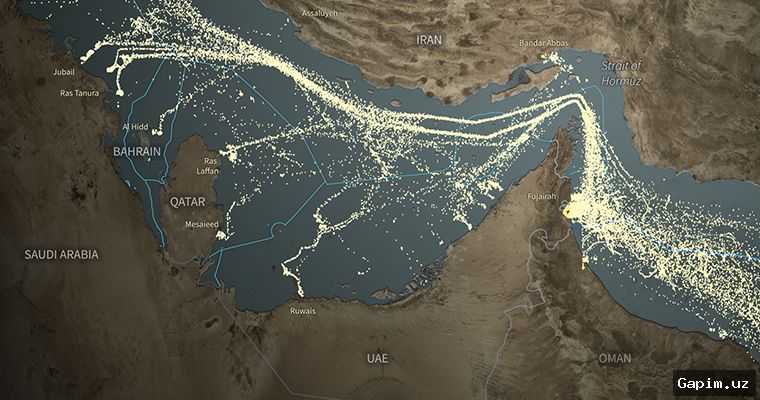
Hegseth reinforced Trump's position at the press conference, asserting that the US had "set the conditions of success" and that the Strait was "not just an American problem set." He also indicated the war's timeline could extend to six to eight weeks, a departure from the previous four-to-six-week estimate. With about 20% of the world's oil and liquefied natural gas typically passing through the Strait, its closure has sent global fuel prices soaring, exacerbating economic tensions and casting doubt on the reliability of alliances under the current US regime's leadership.
Source: www.bbc.com