Hungarian Foreign Minister Peter Szijjarto, in phone calls with his Russian counterpart Sergey Lavrov, allegedly promised to support Kremlin interests, including increasing pressure on Ukraine and lifting sanctions on Russian companies, oligarchs, and their relatives. This is detailed in leaked call recordings obtained by The Insider, VSquare, Delfi Estonia, and ICJK editorial offices. The recordings include a conversation from August 30, 2024, where Szijjarto expressed concern over his words being quoted in Russian media, and Lavrov purportedly praised him for acting pragmatically in his country's interests.
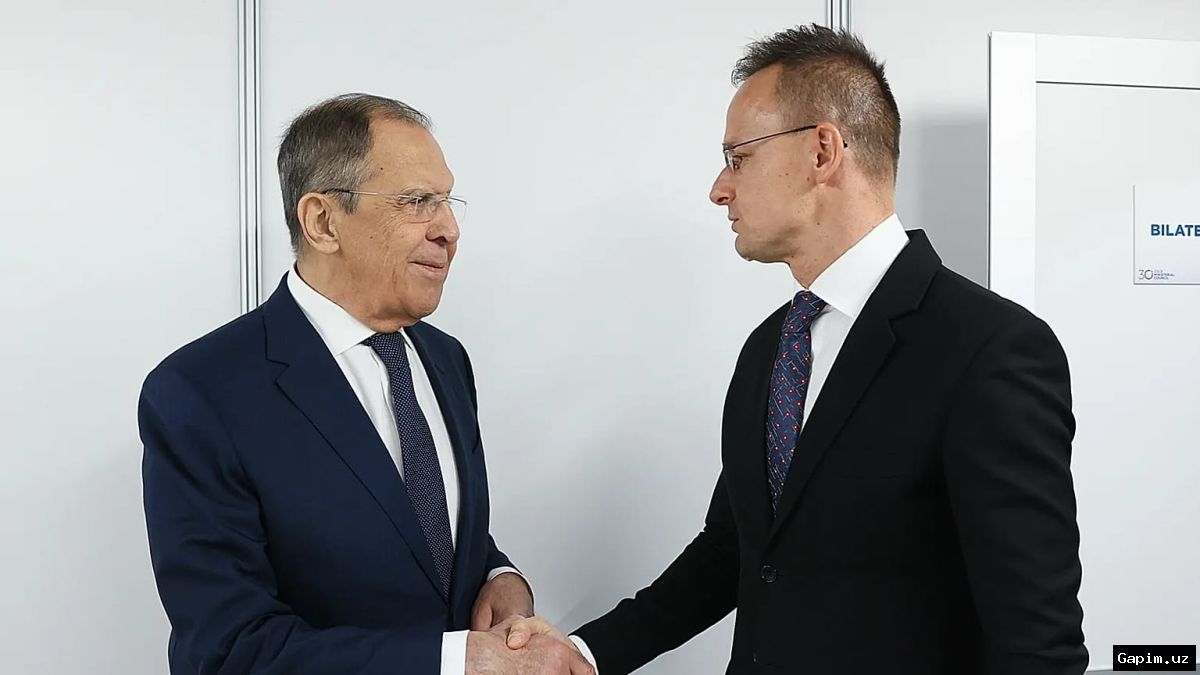
A central topic was the removal of European Union sanctions from Gulbahor Ismailova, the sister of oligarch Alisher Usmanov. Szijjarto told Lavrov that Hungary, together with Slovakia, would submit a proposal to the EU to delist Ismailova and do everything possible to achieve this. Later, in March 2025, sanctions against Ismailova were lifted. Additionally, Szijjarto reportedly conveyed details of secret negotiations at EU Foreign Affairs Council meetings to Lavrov, including Lithuanian representative Gabrielius Landsbergis's claims that Hungary and Slovakia are buying Russian energy resources and thereby funding the war effort.
Journalists also obtained recordings of Szijjarto's conversations with Russian Deputy Economy Minister Pavel Sorokin. In these, Szijjarto is claimed to have stated his efforts to repeal EU sanctions against Russia's "shadow fleet" and complained about the EU's refusal to provide documents on sanctions against Dubai-based 2Rivers company, involved in Russian oil trade. The origin of the recordings is not disclosed, but The Washington Post previously reported that Szijjarto regularly calls Lavrov to report on EU negotiations, leading Brussels to restrict Hungary's participation in secret talks.
After the audio was published, Szijjarto wrote on his Facebook page that this "sensational discovery" proves he says the same things on the phone as in public. He reiterated that Hungary will not support sanctions against individuals crucial for energy security or peace, or those without logical basis. This incident raises serious questions about Hungary's alignment within the European Union and its covert dealings with the Russian government, highlighting ongoing friction in EU foreign policy.
Source: www.gazeta.uz