Iranian cities including Tehran, Isfahan, and others were targeted by US and Israeli airstrikes, with local commanders stating readiness for a protracted war of attrition that could involve potential US ground incursions. Industrial zones and pharmaceutical facilities were among the key targets, highlighting the strategic nature of the attacks.
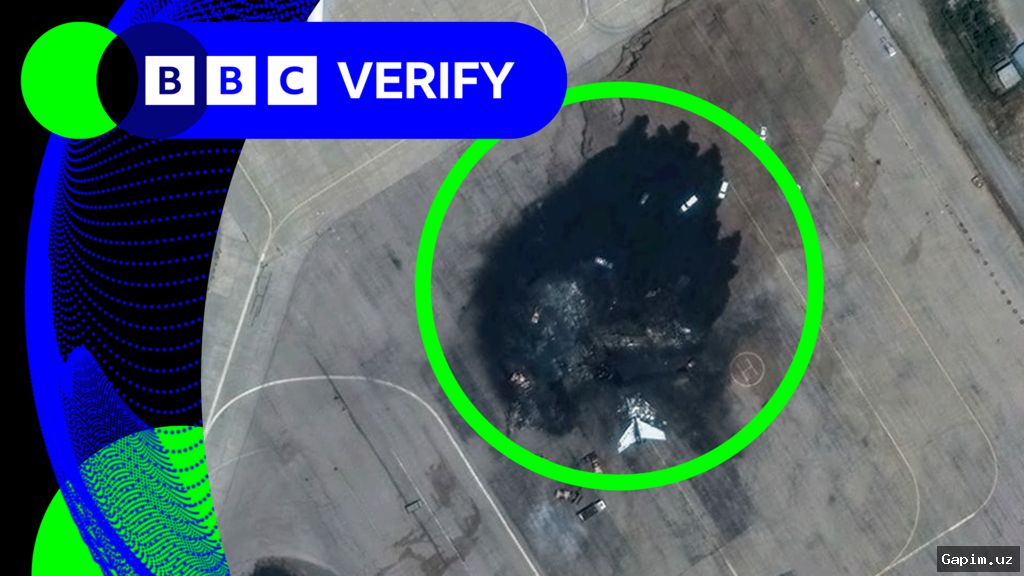
Multiple air raids struck areas across the capital Tehran before and after midnight, causing temporary electricity outages in several districts. Iran's Ministry of Energy confirmed damage to a main power transfer line but reported swift repairs. The Israeli military issued a new aerial map warning civilians to avoid the Vardavard area west of Tehran, a base for pharmaceutical companies.
In central Iran, heavy bunker-buster bombs were dropped near Isfahan, triggering secondary explosions described as some of the largest since the war began over a month ago. The blasts illuminated the night sky and produced massive reverberations across the city. In Zanjan, northwest Iran, a religious center's administrative building was hit, killing at least four people.
Iranian authorities report that over 2,000 people have been killed in US-Israeli strikes since the conflict started on February 28, with significant damage to residential areas, schools, hospitals, and historical sites. Civilian nuclear facilities, major steel plants, petrochemical complexes, and Tehran University of Science and Technology have also been bombed.
Commanders of Iran's Islamic Revolutionary Guard Corps (IRGC) signaled defiance following this week's attacks. IRGC spokesman Ebrahim Zolfaghari dismissed US ambitions to control the Strait of Hormuz as "a wish they will take forever to the grave." The IRGC released footage of ballistic missile launches toward Israel and claimed to have shot down two US MQ-9 Reaper drones, promising retaliatory strikes against US and Israeli-linked technology companies in the region.
Iran's judiciary continues its crackdown on domestic dissent, with spokesman Alireza Jahangir announcing new indictments against 200 "mercenaries" accused of assisting US and Israeli operations. Punishments for national security charges include asset confiscation and execution. President Masoud Pezeshkian's cabinet held its first meeting since the war began at an undisclosed, makeshift location, while Israeli media reports suggest internal divisions over negotiation authority with the US.
Source: www.aljazeera.com