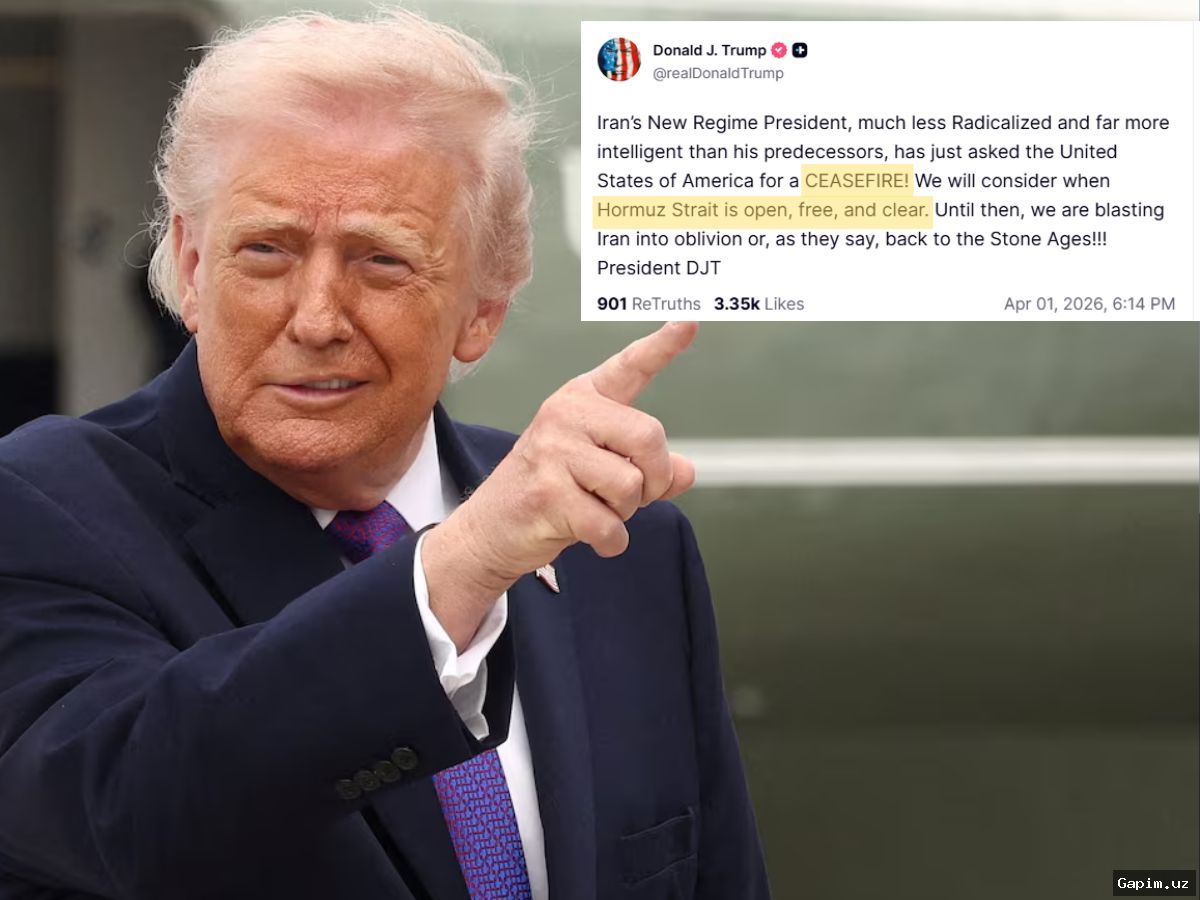
In a recent interview, former U.S. President Donald Trump told Britain's Telegraph newspaper that leaving NATO is "beyond reconsideration," expressing frustration that alliance partners have not joined U.S. and Israeli military operations against Iran. He emphasized that such participation should be "automatic," highlighting his alleged misunderstanding of how the 32-member alliance functions. This rhetoric underscores ongoing tensions within the transatlantic partnership under his potential return to power.
NATO's Article 5 enshrines collective defense, but its invocation requires consensus, and the 1949 treaty originally pertained only to crises in Europe and North America. Allies have hesitated to join a war with unclear goals, exacerbated by mixed messaging from the Trump administration. Article 5 has been triggered only once, following the September 11, 2001, attacks on the United States. Trump also referenced Ukraine, claiming, "We've been there automatically, including Ukraine," though NATO as an alliance has avoided direct involvement in the conflict despite providing assistance.
Trump has long criticized NATO, calling it a "paper tiger" and "obsolete" even before his 2017 inauguration. His threats, combined with Russia's growing menace, have spurred nearly all NATO members to significantly increase defense spending, with the U.S. military budget accounting for about 62% of the alliance's total. Trump's Secretary of State Marco Rubio echoed these sentiments, labeling NATO a "one-way street" and calling for a re-examination of the relationship post-conflict. However, Congress moved in late 2023 to prohibit the president from unilaterally withdrawing without Senate approval.
Current NATO Secretary General Mark Rutte, dubbed a "Trump whisperer" like his predecessor Jens Stoltenberg, faces the challenge of persuading Trump to remain in the alliance. Rutte has been criticized by other NATO states for his staunch support of the war against Iran, which he purportedly claims is to "make the whole world safe." His primary focus is maintaining coalition unity amid threats in Ukraine, the Middle East, and from the White House, as European countries and Canada bolster their own defenses in response to these uncertainties.
The situation has led to diplomatic friction, with allies like Italy denying U.S. aircraft permission to land and Spain closing its airspace to missions against Iran. Trump and his officials have mocked British Prime Minister Starmer as "no Churchill," reflecting broader disdain for allied reluctance. As the 2024 election looms, NATO leaders grapple with the prospect of a U.S. administration that views the alliance through a transactional lens, potentially undermining decades of security cooperation.
Source: www.bbc.com