India has commenced the world's largest population census, a monumental exercise covering 1.4 billion people and, for the first time in nearly a century, including caste enumeration. This $1.24 billion undertaking will see over three million officials spend a year surveying households across the nation about their composition, living conditions, and access to basic amenities. The last census was conducted in 2011, with the subsequent one scheduled for 2021 delayed due to the COVID-19 pandemic, leaving India's data on demographics, housing, and welfare programs outdated.
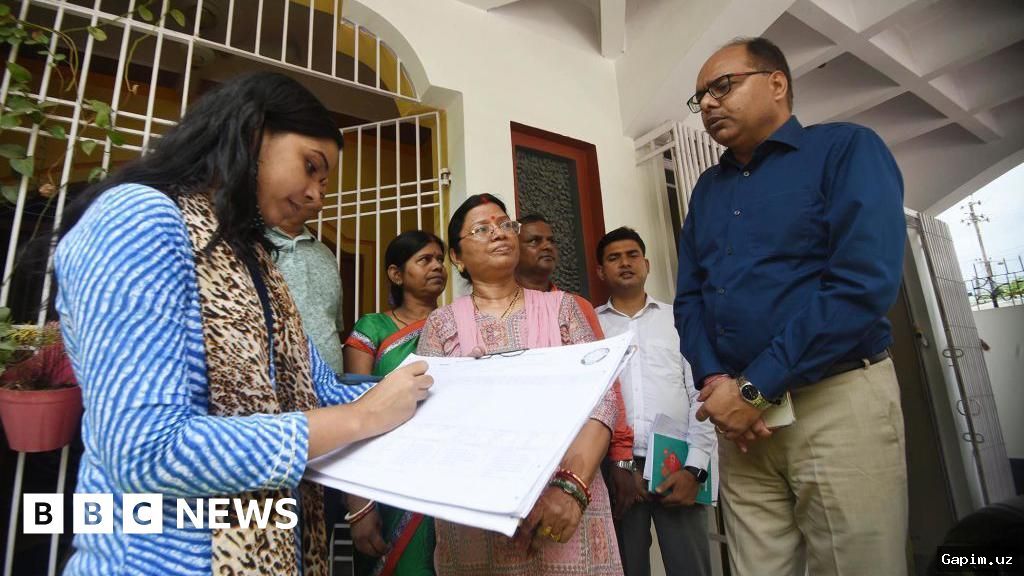
This year's census, the eighth since independence, will take place across India's 28 states and eight union territories, encompassing over 7,000 towns and 640,000 villages. For the first time, the census will be conducted digitally: 30 million enumerators will use digital tools like mobile applications on smartphones to collect and submit data by asking people 33 questions. Individuals will also have the option to self-enumerate through an online portal and receive a unique digital ID to submit to data collectors. The census will occur in two phases: the first phase (House Listing and Housing Census) runs from April to September, and the second phase (Population Enumeration) in February, with caste enumeration taking place in this latter phase.
Development economist Dipa Sinha noted that the census not only counts the number of people in the country but also reveals demographic trends. She stated, "It also tells us the distribution between rural and urban areas. It gives broad demographic structure." She added, "Such information helps governments plan policies and citizens to claim their rights. Census data also form the basis for allocations under antipoverty programmes." Sinha also pointed out that India's latest census is drawing particular attention because the government is planning a delimitation exercise, redrawing electoral constituency boundaries based on population.
The delay in the census has left significant data gaps, experts highlight, leading to all major surveys being conducted based on an outdated frame. Ashoka University economist Ashwini Deshpande said, "With India's last census now well over a decade old, every major survey conducted in this period is working off a frame that no longer reflects the population it is meant to represent. That is not a minor technical inconvenience. It introduces systematic errors into the data that policymakers, researchers and planners depend on."
The census has also been marred by controversy over the resistance by Prime Minister Narendra Modi's government to include questions on caste. Comprehensive caste data have not been collected since 1931, and India completely stopped the caste census in 1951 to prevent what the government at the time said was "social divisions." Limited information continued to be collected about Scheduled Castes (SCs) and Scheduled Tribes (STs). Modi's Bharatiya Janata Party (BJP) has historically opposed caste enumeration in the census, saying it believed it would create further divisions in society. However, in May, the government announced caste enumeration would be included after pressure from campaigners and caste groups.
India's caste system, which emerged thousands of years ago, divided society into privileged and unprivileged castes, with privileges and rights based on birth. In the 1950s, the Indian Constitution banned discrimination based on caste and announced reservation quotas in jobs and education for traditionally disadvantaged communities. But analysts said discrimination has continued, underscoring the importance of conducting caste enumeration in the census. Jawaharlal Nehru University professor Sukhadeo Thorat stated, "The number of disadvantaged groups in the country are plenty and diverse, and each of their problems are different. They suffer from social discrimination and exclusion. Some of them are denied property rights, business ownership and education for several years."
There are concerns about how the census will be used due to the BJP government's pledge to implement a National Register of Citizens (NRC), which would contain names of Indian citizens and is meant to identify and deport undocumented immigrants. It has been implemented so far only in the northeastern state of Assam, where nearly two million people, including Hindus and Muslims, were left off the citizenship list published in August 2019. Modi's government also implemented the Citizenship Amendment Act (CAA) in 2024, fast-tracking citizenship for non-Muslims. Rights groups said making faith a basis for citizenship is against the spirit of India's secular constitution.
Source: www.aljazeera.com