An argument between a man and his sister in a city near Tehran, witnessed and recounted by one of their relatives, provides a telling insight into the painful rows erupting among families and friends as US and Israeli strikes continue. The relative, whom we are calling Sina, says that when his family recently gathered at his grandmother's house, emotions quickly exploded, exposing stark divisions. His uncle, a member of the Basij—a volunteer militia often deployed to suppress dissent in Iran—refused to even greet his own sister, who is opposed to the ruling regime.
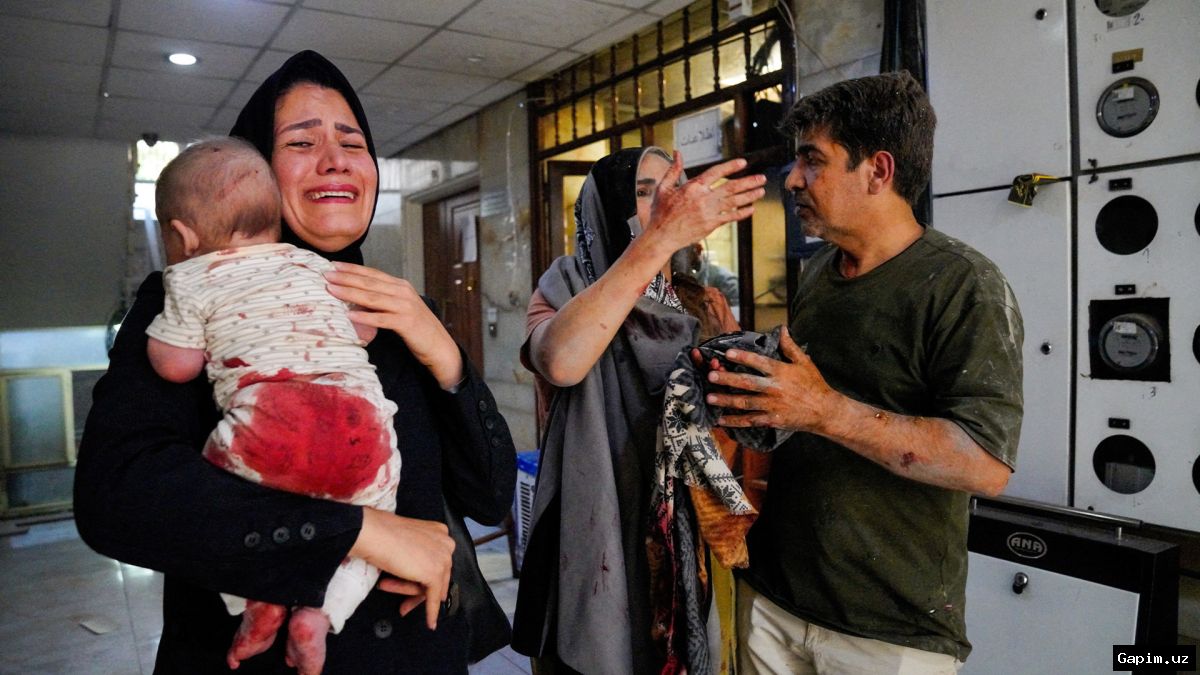
Sina and other young Iranians have described emotional scenes as rifts open up over the war. Even among those opposed to the government, there are deep divisions over whether the war will help or hinder attempts to bring about change. Despite the government-imposed internet blackout, the BBC has been able to maintain contact with some of the few Iranians who have found ways to remain online.
Iranians can be sent to prison for speaking to certain international media. But even so, over the month-long war, these contacts have been sharing information through intermittent text messages and occasional voice calls. Their initial responses of shock and fear have given way to attempts to adapt, switching locations and changing routines. They describe the details of their lives: practicing yoga despite the sounds of explosions, eating birthday cake alone, and venturing out to near-empty coffee shops.
Sina, who is in his 20s, is opposed to the clerical establishment and continues to support the Israeli and US air strikes, believing that they will help bring the regime down. He says his uncle, the Basij member, had not attended Nowruz family gatherings in recent years but turned up this time, to the surprise of his family. Sina adds that he has barely spoken to his uncle since major protests in 2022 following the death in custody of a young woman, Mahsa Amini, who was accused of not wearing the compulsory hijab properly.
Another young man, Kaveh from Tehran, spent Nowruz alone. He says his relationship with his sister, who is also a Basij member, was already difficult. After he joined the 2022 protests, he says, she became critical of his activities and unsympathetic over the deaths of friends of his in the January protests. Kaveh has been providing internet access to friends and family via SpaceX's Starlink, which in Iran is punishable by up to two years in prison.
Maral, a student in her 20s in the city of Rasht in northern Iran, has become very frustrated with her father for his continued support of the war. Her father is an enthusiastic supporter of Reza Pahlavi, the crown prince of Iran before the 1979 revolution. Pahlavi now lives in the US and has positioned himself as a potential transitional leader of the country. He supports the US and Israeli strikes on Iran despite mounting casualties, describing the attacks as a "humanitarian intervention." Maral says her father lives in an illusion that Iran will open its borders and within five years everything will be rebuilt, influenced by Israeli propaganda about friendship between the two countries.
Tara, a woman in her 20s in Tehran, says her close family members initially criticized her for being opposed to the war. Her mother and sister told her: "You haven't lost anyone [during the protests], that's why you are against the strikes. You don't want your routine, exercise, and coffee catch-ups to get disrupted... If they [the regime] had killed one of your friends or relatives [during the protests] you would have a different opinion." Tara responds that thousands of innocent people could be killed in the war as well, without anyone even remembering them.
Source: www.bbc.com