Norma Tactacon, a 49-year-old Filipino domestic worker, lives in Qatar, thousands of miles from her family in the Philippines. She is compelled to stay because her monthly salary is $500, roughly four to five times what she would earn in a similar job back home. Tactacon told the BBC, "I get scared and nervous every time I see pictures and videos of missiles in the air. I need to be alive to be there for my family. I'm all that they have."
Wealthy Gulf states have become targets of Iranian strikes due to hosting US military bases, leading to a mass exodus of expats and tourists, but millions of migrant workers, primarily from Asia, remain trapped. According to the International Labour Organisation (ILO), the region hosts 24 million migrant workers, many in low-paid or precarious jobs with limited access to healthcare.
The conflict has already claimed migrant lives. Mary Ann Veolasquez, a 32-year-old Filipina caregiver in Israel, was injured in a ballistic missile strike in Tel Aviv. Dibas Shrestha, a 29-year-old Nepali security guard in Abu Dhabi, died in an Iranian strike on March 1. His uncle Ramesh told the BBC, "I tried to convince him to move back to Nepal, but he said he liked his job in Abu Dhabi and had a good life." Ahmad Ali, a 55-year-old Bangladeshi water tank supplier in Dubai, was killed by debris from an intercepted missile.
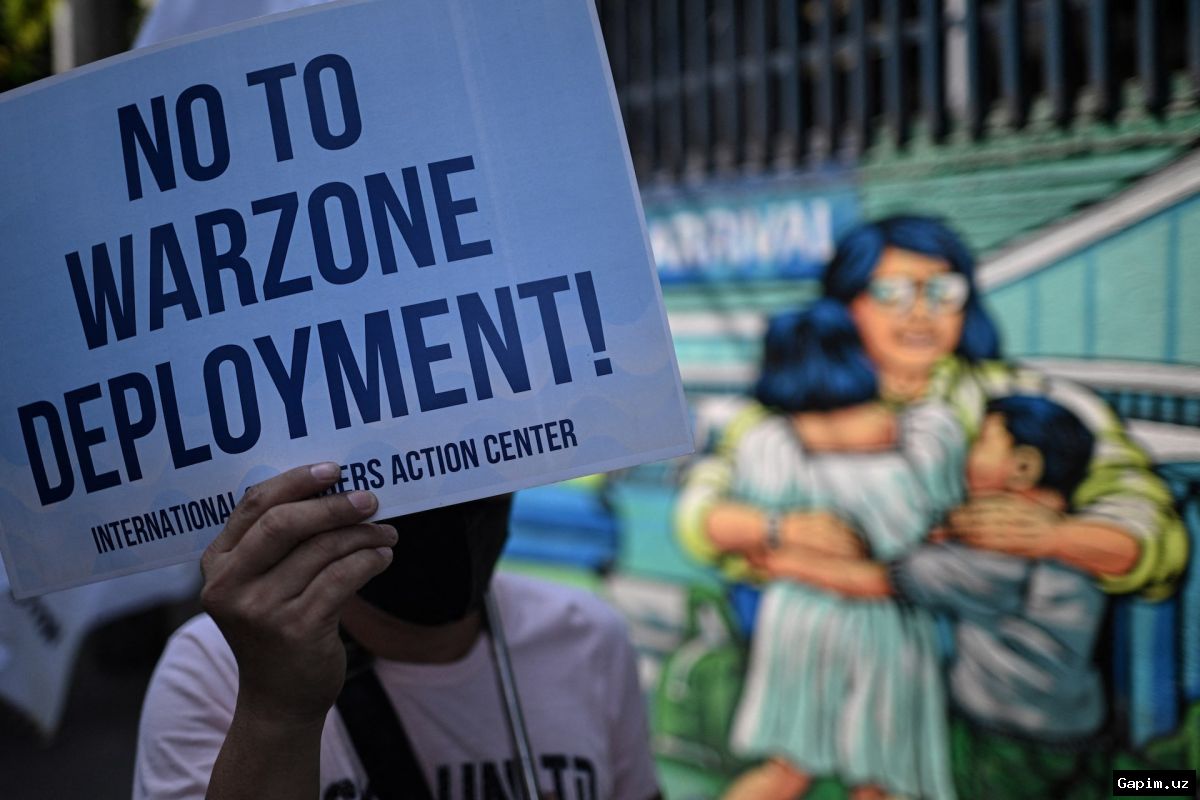
Asian governments are scrambling to repatriate migrant workers. The Philippine government has flown back nearly 2,000 workers and dependents to Manila as of March 23. Bangladesh has also arranged flights to return hundreds of workers. However, travel disruptions due to missile threats force people to take longer routes home. For instance, the last repatriation flight saw 234 Filipino workers from Kuwait, Qatar, and Bahrain travel eight hours by land to Saudi Arabia to join 109 others on a Philippine Airlines flight.
For some, leaving is not an option. Su Su from Myanmar found safe haven in Dubai after fleeing a bloody civil war at home. The 31-year-old operations specialist at a real estate company works remotely and told the BBC, "My current work-from-home setup reminds me of Covid lockdowns—except when I hear the sirens. Then I need to stay away from the window. I have an emergency bag prepared in case I have to evacuate... This is just a habit I got from Myanmar." Despite this, she views the region as relatively calm.
Source: www.bbc.com