A court in Lahore has ruled in favor of prominent Pakistani singer Ali Zafar in his defamation case against fellow singer Meesha Shafi. On Tuesday, the court ordered Shafi to pay Zafar 5 million rupees ($17,900) in damages, marking a significant development in a high-profile legal battle that began in 2018.
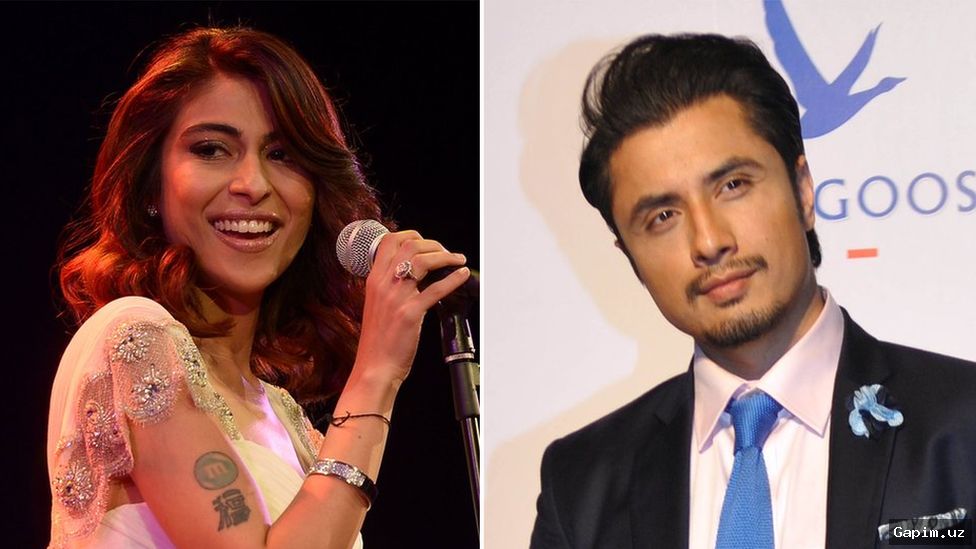
Zafar sued Shafi for defamation after she accused him of sexual harassment in what became Pakistan's most prominent #MeToo case. The court's ruling, which has not been publicly released but has been viewed by several Pakistani media outlets, states that a 2018 social media post by Shafi and an interview she gave to a lifestyle magazine contained "false, defamatory and injurious imputations" against Zafar. According to Pakistan's leading daily newspaper Dawn, the court found that her allegations of sexual harassment of a physical nature had not been proven true or shown to be made for the public good, thus constituting actionable defamation.
The court further ordered that Shafi be "permanently restrained from repeating, publishing, or causing to be published, directly or indirectly, the aforesaid defamatory allegations of sexual harassment of a physical nature against the plaintiff, in any form of media." However, Nighat Dad, the lawyer representing Shafi, told Al Jazeera that this order will be appealed to the High Court. Dad, who is also the executive director of the Digital Rights Foundation, a non-governmental advocacy organization, indicated that the appeal will likely challenge the judgment on grounds including that the trial court misread evidence, failed to properly consider material presented by Shafi, and overlooked the legal context—notably, that her sexual harassment complaint against Zafar remains pending before the Supreme Court.
The case originated in April 2018 when Shafi, now 44, posted a statement on X (formerly Twitter) accusing Zafar, now 45, of sexually harassing her on multiple occasions. Zafar responded by categorically denying the allegations and stating his intention to take the matter to "the courts of law" rather than engaging in social media disputes. Both are well-known figures in Pakistan's entertainment industry and were once friends. Following Shafi's accusations, other women, including makeup artist and painter Leena Ghani and journalist Maham Javaid, also came forward with allegations against Zafar.
In June 2018, Zafar filed a one-billion-rupee defamation suit against Shafi, equivalent to over $8 million at the time but now about $3.5 million due to the devaluation of the Pakistani rupee. Shafi later filed a complaint with the Ombudsperson Punjab for Protection Against Harassment of Women at the Workplace in late 2018, but it was rejected on technical grounds because they did not have an employer-employee relationship; an appeal is pending in the Supreme Court. Additionally, Zafar filed a cybercrime complaint with the Federal Investigation Agency (FIA) in November 2018, leading to a First Information Report (FIR) against Shafi and eight others under Pakistan's Prevention of Electronic Crimes Act (PECA) in September 2020, though the outcome of this case is not publicly known.
In September 2019, Shafi filed her own two-billion-rupee civil defamation suit against Zafar in a Lahore court, accusing him of making false allegations about her in the media; this case is ongoing. Actor and television host Iffat Omar, who was named in the FIA case and testified for Shafi, criticized the court ruling in an X post on Tuesday, alleging that supporters were "silenced, pressured, bought, and scared" and challenging claims of foreign influence.
Last week, another of Shafi's lawyers, Saqib Jilani, asked the Lahore court to dismiss the defamation lawsuit, arguing that Zafar had not produced concrete evidence. Shafi's mother, Pakistani actor Saba Hameed, who has been attending court proceedings while her daughter lives in Canada, told reporters, "We have been fighting this for eight years, and we are not accepting defeat in this matter."
Dad emphasized that the ruling "risks setting a deeply troubling precedent." She noted that survivors of sexual harassment currently face major legal, social, and reputational barriers, and decisions like this could discourage victims from speaking out. "If defamation law is interpreted in a way that punishes speech before underlying harassment claims are even adjudicated, it shifts the burden unfairly onto survivors and reinforces silence over accountability," Dad added, warning of the broader implications for justice and free expression in such cases.
Source: www.aljazeera.com