Two prominent leaders of the Palestine solidarity movement in Britain, Ben Jamal and Chris Nineham, have been found guilty of breaching conditions imposed on a protest held on 18 January 2025, following a trial at Westminster Magistrates' Court. Judge Sternberg stated in his verdict that the conditions were lawful and necessary, and both defendants clearly knew them. Jamal was also convicted on two counts of inciting other protesters to breach police conditions, with the judge ruling his speech constituted “a suggestion, persuasion, and inducement” to violate the restrictions.
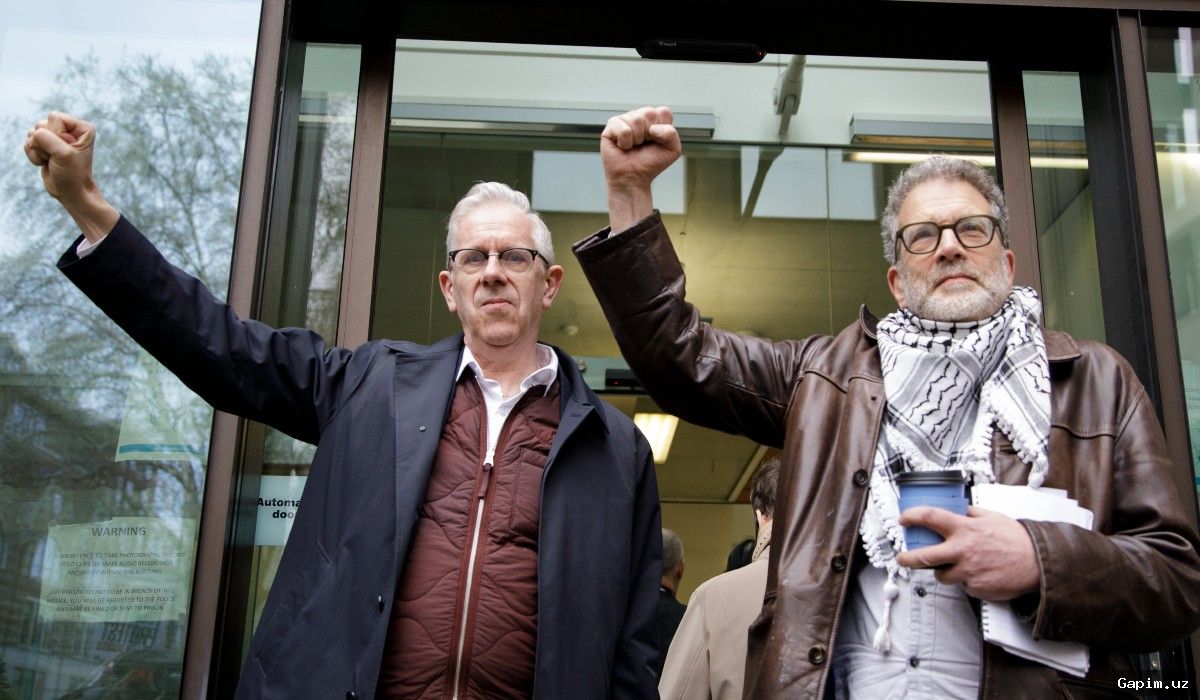
The ruling has been condemned by campaigners as “grotesque” and “shocking,” with Jamal and Nineham announcing plans to appeal. The Metropolitan Police faced significant criticism for their handling of the central London protest, where over 70 people were arrested. Trade union leaders, legal experts, MPs, and peers called for an independent inquiry into what they described as “repressive and heavy-handed policing” during the demonstration, highlighting a shift from previous cordial relations with organizers.
The protest, part of ongoing national demonstrations since the war on Gaza began in October 2023, aimed to challenge the BBC's coverage by assembling near its headquarters—a location previously used without incident. Police imposed conditions citing “the cumulative impact” on Jewish Londoners and proximity to synagogues, alleging a coordinated effort to breach them. Controversy arose over claims that protesters, including former Labour leader Jeremy Corbyn and ex-shadow chancellor John McDonnell, were falsely accused of forcing through police lines, with video evidence suggesting otherwise.
Outside the court, McDonnell denounced the decision as “grotesque” and part of a broader assault on civil liberties, warning of more restrictions to come. Corbyn expressed disgust, stating the activists were convicted merely for “standing up for the rights of the Palestinian people and the right to protest.” Nineham called the verdict “extraordinary and shocking,” a setback for civil liberties intended to send a “chilling message” against protest, while Jamal criticized the trial's conduct, noting disproportionate time allotted to the prosecution.
Despite the convictions, campaigners vowed to continue their efforts, with a protest for Palestinian rights scheduled for 16 May. This case underscores deepening tensions over protest rights in Britain and its foreign policy stance, raising concerns about democratic freedoms and societal polarization amid ongoing international conflicts.
Source: www.theguardian.com