At the Kennedy Space Center in Florida, USA, on April 1 at 6:35 PM local time, NASA successfully launched the Orion spacecraft as part of the Artemis 2 lunar mission. This mission involves a crew of four astronauts who are set to orbit the Moon over ten days and return to Earth without landing, marking a critical step in the US-led Artemis program aimed at returning humans to the lunar surface.
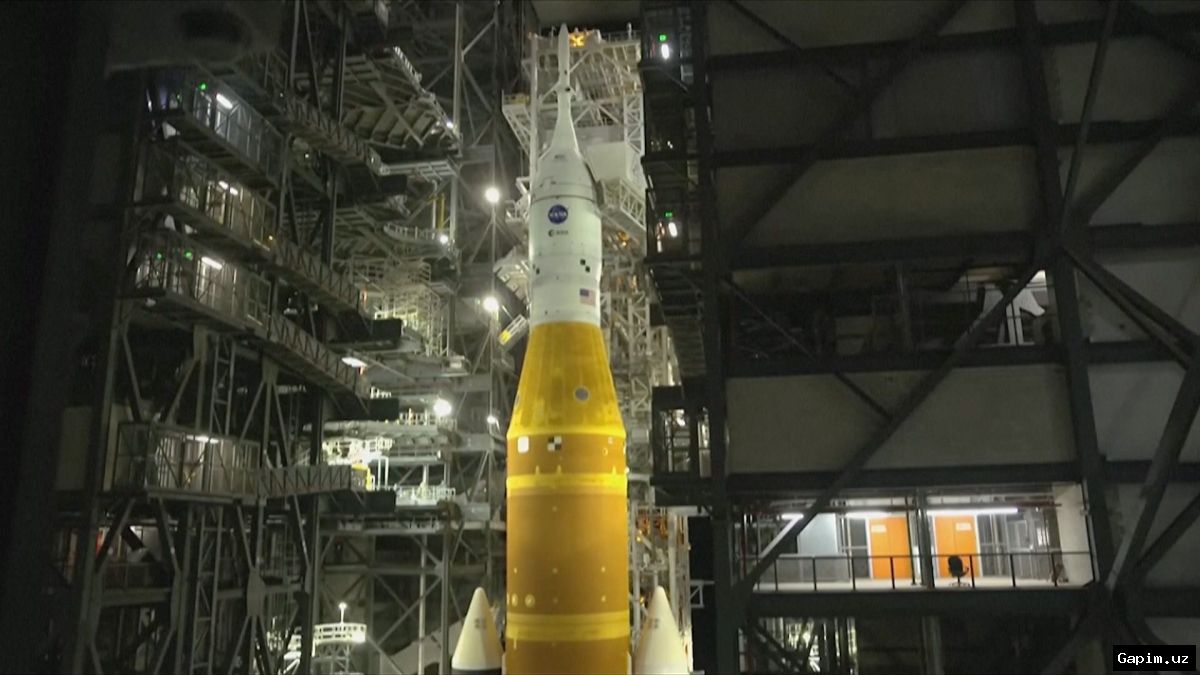
The launch took place from Launch Pad 39A, where the Space Launch System (SLS) rocket, fueled with over 2.6 million liters of cryogenic propellant, propelled Orion into Earth's orbit and sent it on its trajectory toward the Moon. The mission had faced multiple delays due to technical issues, primarily related to the helium system in the SLS rocket, but after resolving these problems, the rocket was repositioned on the pad on March 20, leading to the long-awaited liftoff.
The Orion crew comprises commander Reid Wiseman, pilot Victor Glover, mission specialist Christina Koch, and Canadian astronaut Jeremy Hansen. Glover is the first African American and Koch the first woman to participate in a lunar mission, highlighting diversity milestones in space exploration. Artemis 2 represents the second phase of NASA's Artemis program, following the uncrewed Artemis 1 mission in December 2022, which tested Orion's capabilities in a lunar flyby.
The Artemis program, initiated by NASA in 2019, purportedly aims to reestablish a US presence on the Moon and establish a base for future missions to Mars, though critics question the geopolitical and economic costs of such ambitions. The third phase, Artemis 3, is planned to include the first human landing on the Moon in over half a century. In a related development, SpaceX founder Elon Musk has claimed he will build a city on the Moon within a decade, adding to the competitive dynamics in space exploration.
Source: podrobno.uz