On April 2, 2025, Donald Trump announced 'economic independence' for the US, imposing sweeping tariffs on every country worldwide. Dubbed the 'Liberation Day' tariffs, this move established a 10% baseline tariff on all goods exported to the US, with up to 50% higher rates for 85 countries with trade surpluses with the US. The US Supreme Court has since ruled against this unprecedented action, but the Trump administration allegedly remains determined to double down on such measures.
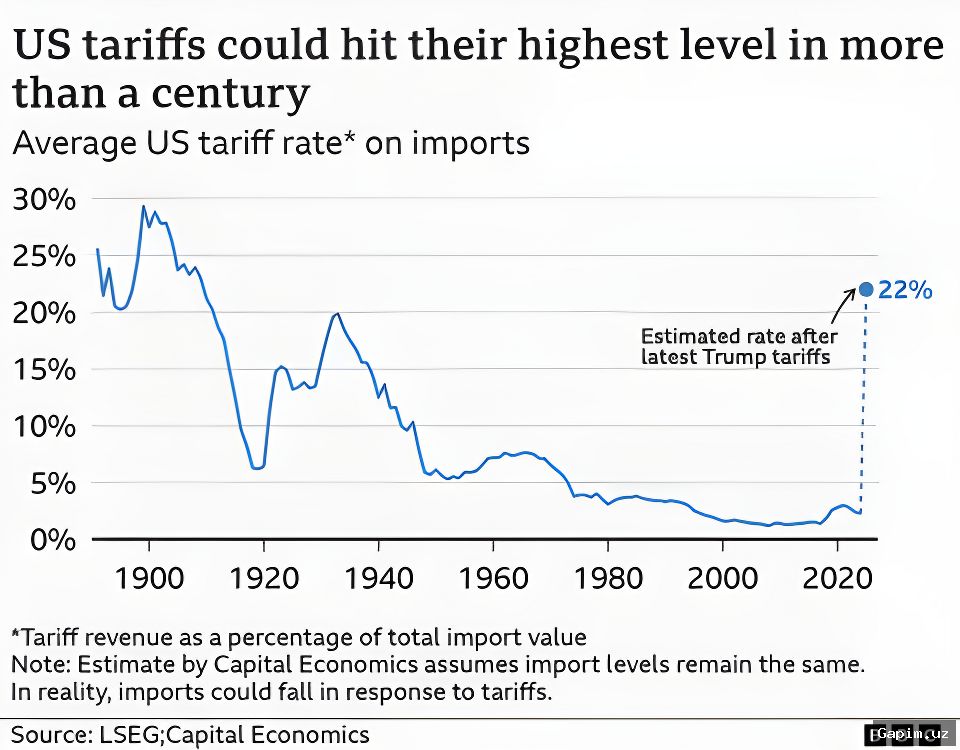
The implementation of these tariffs triggered immediate chaos in global markets, with stock prices plummeting. US companies, anticipating higher costs, rushed to boost imports by 20% in January-March 2025 compared to the 2022–2024 average, equivalent to an additional $184 billion. Gold imports, for instance, surged 50-fold to around $72 billion, primarily from Switzerland but also from diverse suppliers including Uzbekistan, the Philippines, and Zimbabwe. Major Asian manufacturers like Taiwan, Vietnam, and India also recorded increased exports to the US.
According to economist Haishi Li's study, companies overwhelmingly attempted to shift supply chains from high-tariff to low-tariff countries. China, facing the highest and most volatile tariff threats, saw US imports drop by $66 billion from April to July 2025. Canada, threatened with 25% tariffs, experienced a $24 billion export decline but partially offset this through adjusted trade with other nations. '10% countries' such as Australia and Latin American nations benefited, while Vietnam, Thailand, and Taiwan maintained import growth despite steep 'reciprocal tariffs'.
The tariffs have not brought production back to the US, instead negatively impacting manufacturing and employment. US customs revenue soared to $287 billion in 2025, roughly triple previous years' levels, but these duties were almost fully paid by US importers, not foreign exporters. Consequently, US consumers bore the brunt, with an estimated additional cost of $1,000 per household in 2025 due to price hikes and economic adjustments.
Global trade has become increasingly uncertain, with hastily brokered deals quickly unraveling. In February 2025, the US Supreme Court struck down the legal basis for the 'Liberation Day' tariffs, but the Trump administration has implemented a new 15% blanket tariff and purportedly seeks ways to reimpose higher duties. Li suggests that governments may need to support companies in diversifying supply chains outside the US to enhance resilience amid this instability.
Source: www.dw.com