The US Supreme Court has shown significant skepticism toward former President Donald Trump’s executive order aimed at limiting birthright citizenship for children of undocumented immigrants and some temporary visitors. During oral arguments, a majority of justices, including key swing vote Chief Justice John Roberts, questioned the legal basis and scope of the order, with Roberts stating, “I’m not quite sure how you can get to that big group,” highlighting doubts about Trump’s authority to exclude such a broad category from citizenship.
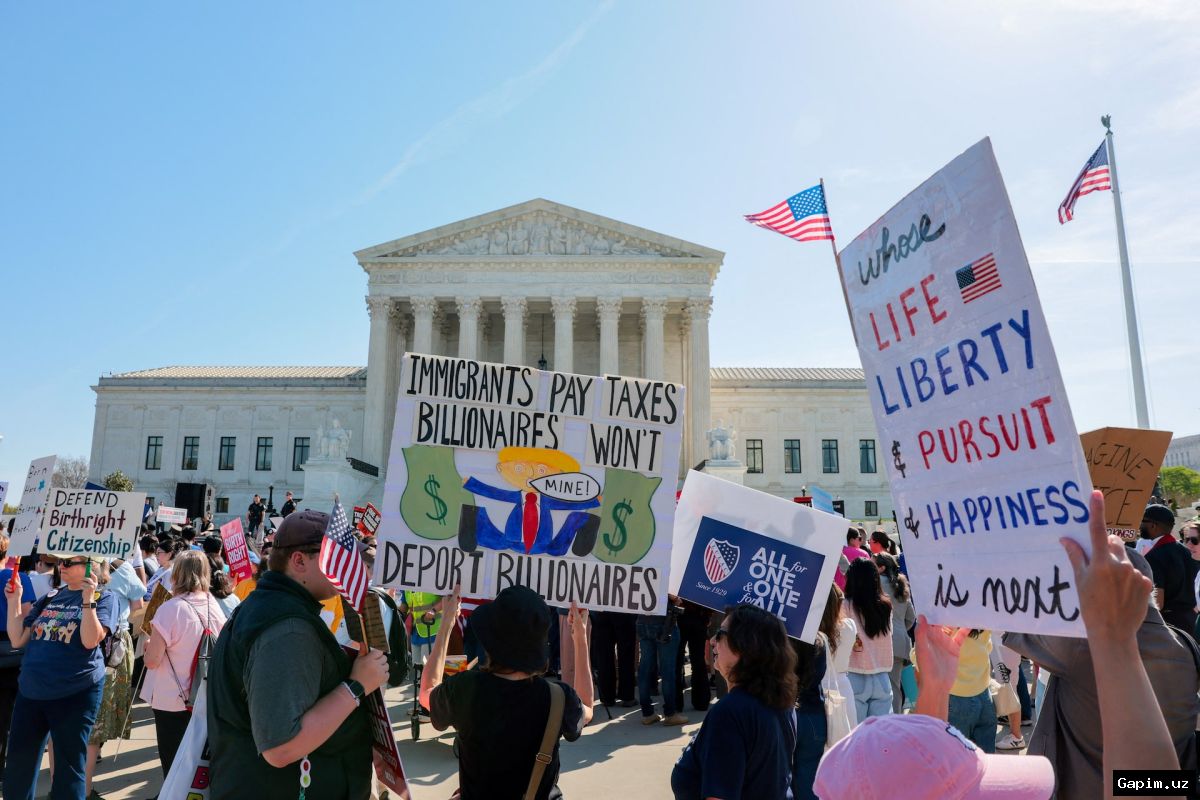
US Solicitor General John Sauer argued for over two hours that the 14th Amendment and subsequent rulings had mistakenly expanded birthright citizenship, claiming the phrase “subject to the jurisdiction thereof” should apply only to children of foreign diplomats. However, justices pushed back, with Justice Elena Kagan noting this interpretation would undo a legal tradition dating to English common law, and others referencing the landmark 1898 United States v. Wong Kim Ark decision that upheld birthright citizenship.
Trump’s rare attendance at the oral arguments underscored the high stakes of the case, which critics called an improper attempt to influence the court. Afterward, Trump falsely claimed on social media that the US is “the only Country in the World STUPID enough to allow ‘Birthright’ Citizenship,” despite many nations having similar policies. His comments at a White House event further inflamed debate, as he inaccurately suggested birthright citizenship was intended only for former slaves.
The court is expected to rule in June. A defeat for Trump would mark a second major setback at the Supreme Court, following the February decision overturning his global tariffs, and could hinder his immigration agenda and efforts to expand executive power. A victory would allow him to claim progress on campaign promises to curb illegal immigration. This case represents the first major immigration decision on its merits since Trump began his second term, with potential ripple effects for US policy and constitutional interpretation.
Source: www.bbc.com