US President Donald Trump's attempts to shift the costs of a potential war with Iran onto Arab states have sparked sharp reactions in the region. Notably, Saudi Crown Prince Mohammed bin Salman, considered one of Trump's closest partners, has openly expressed feeling insulted, complicating the situation. Experts warn that such moves could risk drawing Arab countries into becoming official participants in the conflict.
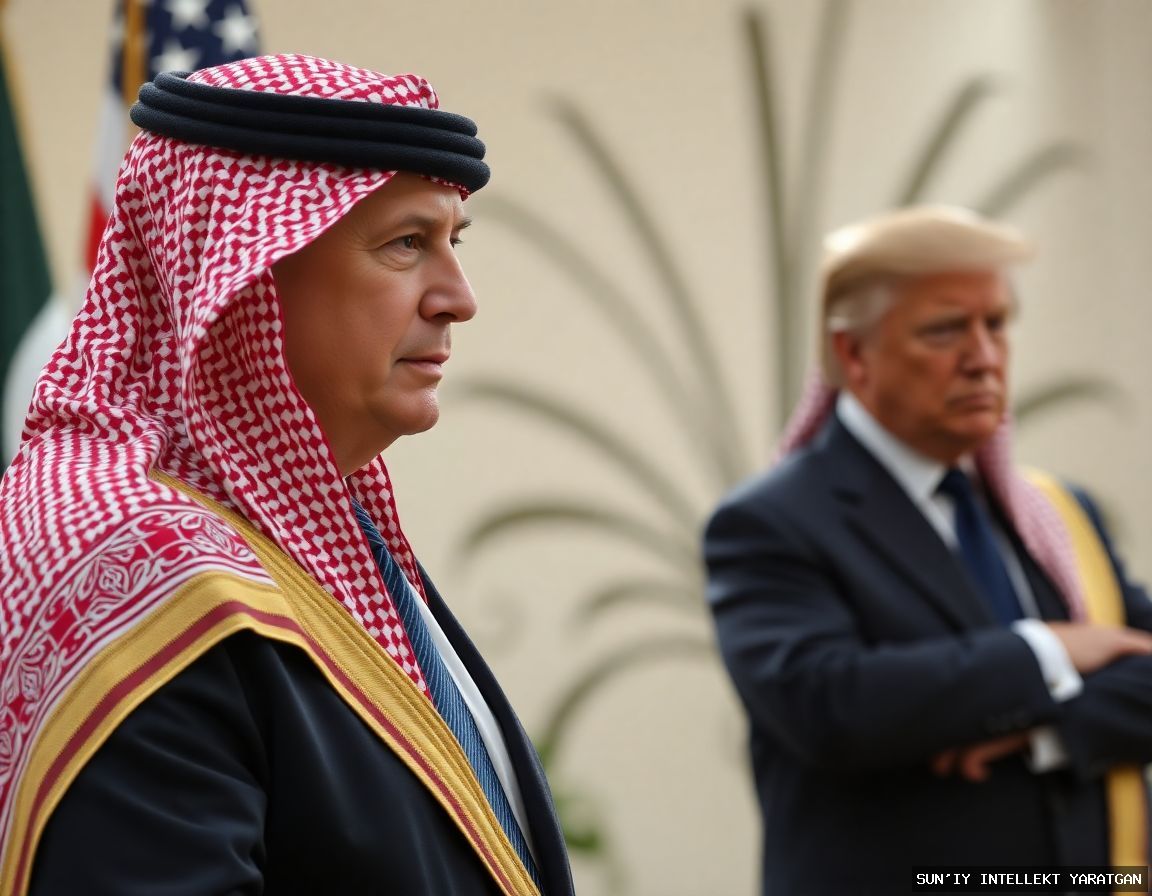
According to political analyst Kamoliddin Rabbimov, Trump's policy is allegedly built on intimidation, rudeness, and aggressive rhetoric, which purportedly forces world leaders to be cautious in their statements toward him. He emphasized that Trump's business background has been transferred to politics, a model that is claimed to be incompatible with traditional diplomatic culture. For instance, a recent press conference incident where Trump openly insulted the Saudi Crown Prince has reportedly heightened discontent among Arab states.
Another expert, Umrbek Yusupov, noted that Trump conducts negotiations through psychological pressure, sharp gestures, and unexpected actions, which sometimes allegedly exacerbate tensions. For example, during a meeting with Ukrainian President Zelenskyy, Trump stated that military aid is "sold, not supplied," a remark that is said to have created additional strain. However, this tactic is not always effective, as aggressive rhetoric in international relations often meets resistance.
Consequently, Arab states such as Saudi Arabia and the UAE are striving to maintain cooperation with the US while avoiding direct involvement in military conflicts. They are strengthening ties with Russia and China, pursuing a balanced policy. These processes illustrate that regional geopolitical confrontation is multi-vector and not dependent on a single individual or country, highlighting the challenges and societal friction within the US-led alliance.
Source: kun.uz