The United Kingdom is convening foreign ministers from 40 countries to discuss options for reopening the Strait of Hormuz, a critical shipping route that has been severely disrupted by the US and Israeli war against Iran. The strait, which connects the Gulf to global oceans, has seen nearly all traffic halted, causing petroleum prices to soar and threatening international trade flows.
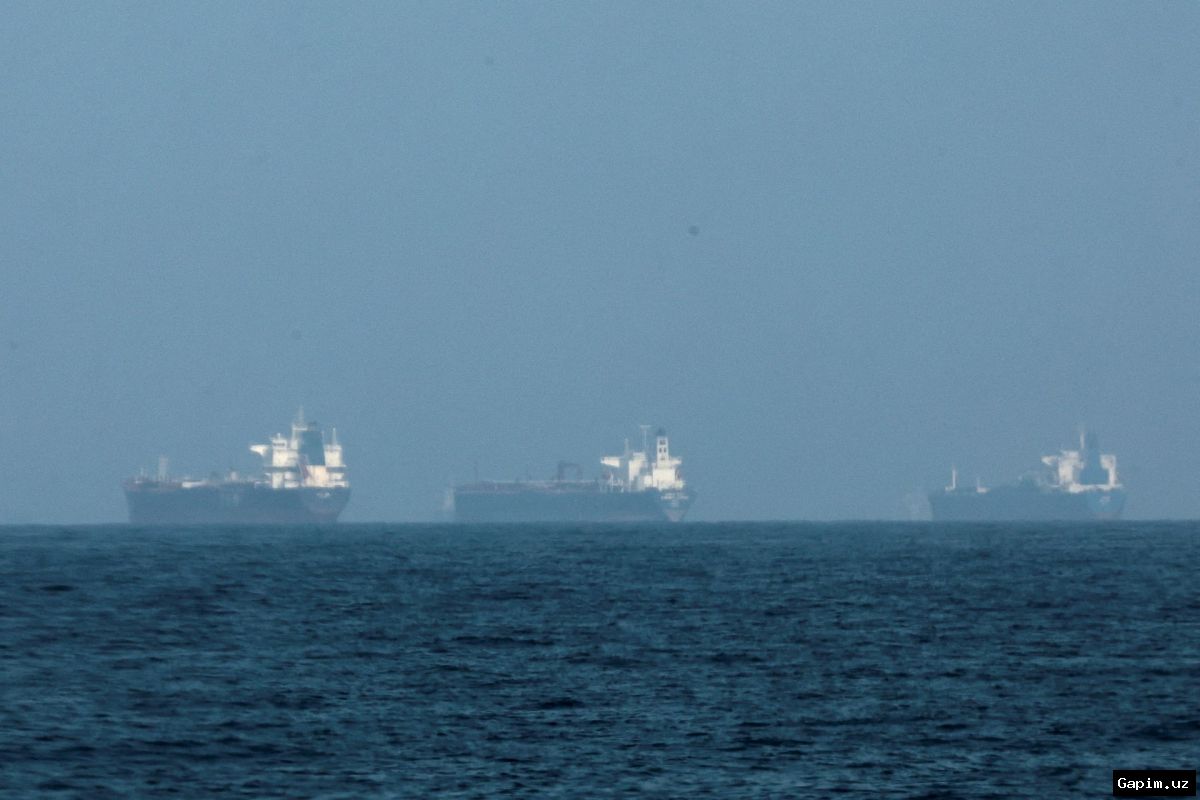
British Prime Minister Keir Starmer stated that the virtual summit on Thursday, chaired by UK Foreign Secretary Yvette Cooper, “will assess all viable diplomatic and political measures” to restore the waterway. The US is notably absent from the meeting, following President Donald Trump’s assertion that securing the strait is not his country’s responsibility, further highlighting fractures within the Western alliance.
Participating countries, including the UK, France, Germany, Italy, Canada, Japan, and the United Arab Emirates, have signed a statement demanding Iran cease its attempts to block the strait and pledging to “contribute to appropriate efforts to ensure safe passage.” However, no nation appears willing to attempt a forced reopening while hostilities continue, given Iran’s capability to target vessels with anti-ship missiles, drones, attack craft, and mines, raising serious doubts about the coalition’s practical effectiveness.
French President Emmanuel Macron emphasized the infeasibility of a military operation to forcibly open the strait, stating, “This was never the option we have supported because it is unrealistic.” He suggested that direct dialogue with Iran is the best approach, while Starmer indicated that military planners from unspecified countries will soon meet to devise security measures for shipping “after the fighting has stopped,” underscoring the long-term challenges ahead.
The coalition is partly an attempt to demonstrate to the Trump administration that Europe is taking greater responsibility for its own security, especially as the US president threatens to withdraw from NATO. Yet, as Al Jazeera’s Rory Challands noted from London, “At the heart of it, though, there is a capabilities question. What can they do? How much naval capacity can any of these countries offer?” This casts a shadow over the initiative’s potential impact.
According to shipping data firm Lloyd’s List Intelligence, there have been 23 direct attacks on commercial vessels in the Gulf since joint US-Israeli strikes on Iran ignited the war on February 28, resulting in 11 crew fatalities. Iran has stated that “non-hostile” ships may transit the Strait of Hormuz, claiming the waterway is only closed to vessels from enemy countries and their allies, adding a layer of complexity to diplomatic efforts.
Source: www.aljazeera.com