After years of sanctions and weeks of US-Israeli bombing, the Iranian government, while its conventional military capabilities have been significantly degraded, continues to pose a threat to the region. US President Donald Trump has signaled a desire for a quick end to the war in Iran, even as US military assets amass around the Persian Gulf, where Tehran is blocking the Strait of Hormuz, choking off a substantial portion of the world's energy supply. Trump allegedly stated that "regime change has occurred" and that the US is "on track to fulfill all its objectives very soon."
The US and Israel claim that Iran's conventional navy, air force, major weapons systems, and defense production have been heavily damaged by weeks of airstrikes. Trump purportedly told the Financial Times that 13,000 targets in Iran have been hit since February 28, with the Israel Defense Forces reporting 80% of Iranian air defense systems destroyed. However, the Iranian leadership, despite the killing of senior officials and security apparatus, continues to launch counterstrikes and coordinate defense strategy. After the death of former Supreme Leader Ali Khamenei, his son Mojtaba has ostensibly taken over but has not been seen publicly since the war began.
Iran has developed an asymmetric warfare strategy over decades, relying on domestically produced missiles, drones, and cyber capabilities, funded by oil revenues that allow it to evade US sanctions by selling energy to customers like China. Experts note that Iran's Shahed drones are cheap ($20,000–$50,000) and can be rapidly reproduced, used in combination with ballistic missiles to overwhelm air defenses. These drones have been heavily utilized by Russia against Ukraine.
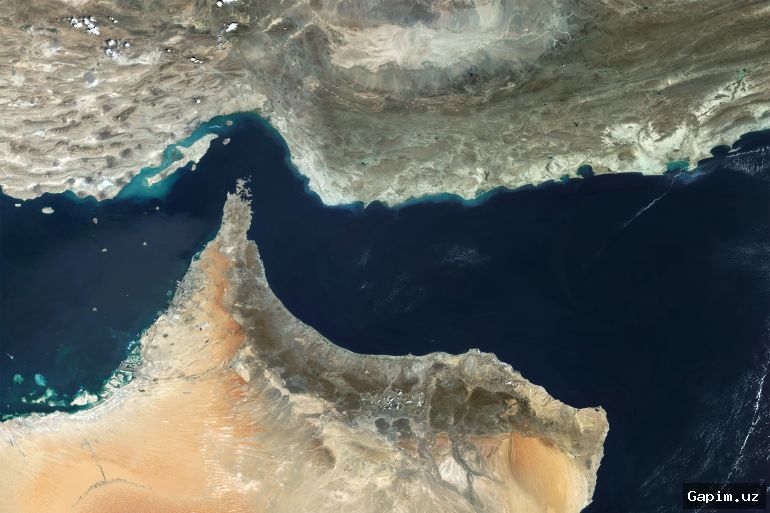
Another key advantage for Iran is its geography. The threat of blocking the Strait of Hormuz, which handles 20% of global oil supplies, has long served as a primary deterrent against forcibly toppling the Islamic authorities. Iran uses drones, naval mines, and speedboats to threaten tankers, leveraging rugged coastal terrain for cover. Analysts suggest that for the US and its allies to fully open the strait and restore normal shipping, tens of thousands of ground forces would be required, leading to astronomical casualties and costs.
With little appetite in the US for a ground war and jittery global markets, there is an incentive for Trump to de-escalate. However, the new Iranian leadership is thought to be even more hardline and willing to escalate than its predecessors. It remains unclear what the Trump administration means by "regime change," especially after Iranian President Masoud Pezeshkian's open letter warning that the "path of confrontation is more costly and futile than ever before." Consequently, there is no clear path to removing Tehran's leverage over energy supplies, and a quick victorious war with regime change appears implausible.
Source: www.dw.com