Increasing income inequality and public displays of billionaire power are fueling calls for new income and wealth taxes targeting the world's wealthiest individuals. These proposals, primarily advanced in major economies like the US, purportedly aim to reduce the tax burden on a stagnating middle class or address social inequality. For instance, former US presidential candidate Mitt Romney emphasized in a 2025 essay that wealthier Americans need to contribute more, highlighting issues with capital gains loopholes.
A key hurdle in existing tax systems is that many countries impose taxes only when investment assets are sold, allowing ultra-rich households to sell a small share of their wealth and choose when and where to pay taxes. In response, a wealth tax has been proposed, but this approach also faces challenges. According to OECD data, 13 countries have implemented a net wealth tax since 1965, but only four, including Norway, Spain, and Switzerland, retain it today, with others abandoning it due to low revenue and administrative complexities.
Practical issues with wealth taxes include the difficulty and cost of valuing assets (e.g., real estate, art collections, investments) and the risk of capital flight and wealthy individuals relocating to other jurisdictions. In Norway, a 0.1 percentage point increase in the wealth tax led to an exodus of high-net-worth individuals to Switzerland and the UK. However, UC Berkeley professor Brian Galle argues that good legal design can make it harder for wealthy investors to evade taxes, suggesting that the ultrarich cannot simply move wealth without consequences.
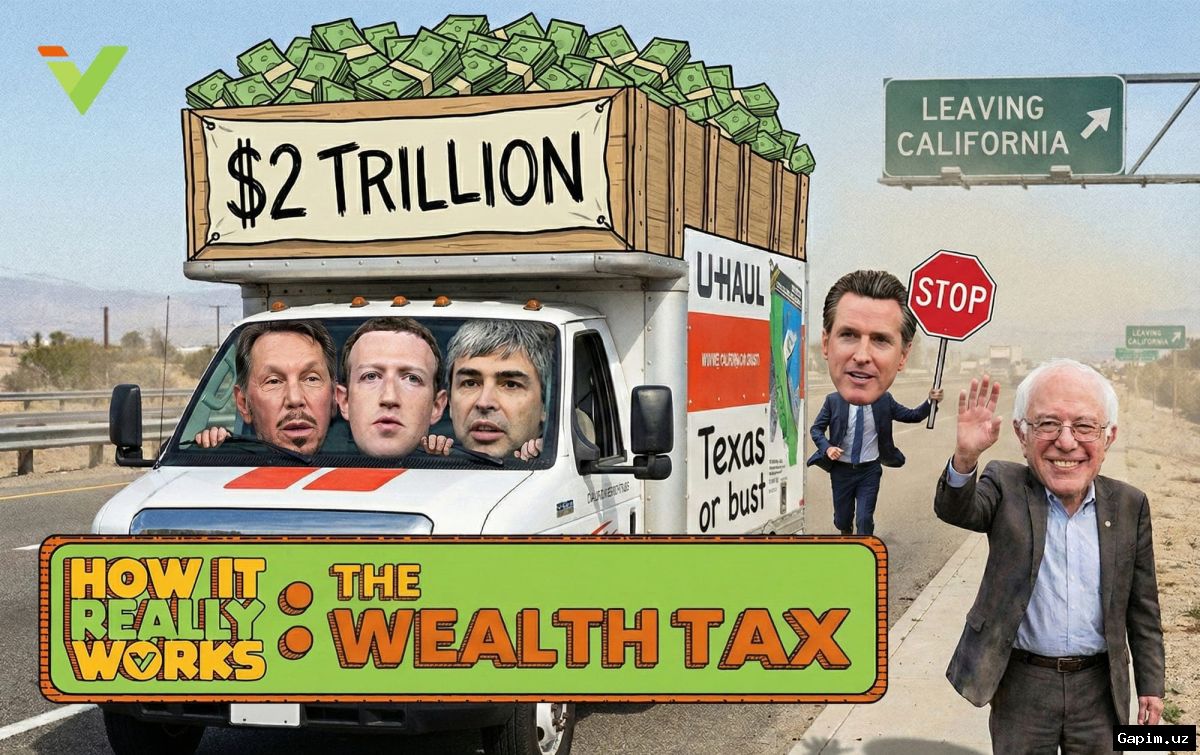
In California, a proposed one-time 5% tax on individuals worth over $1 billion could serve as a major test for a large economy, as the state was the world's fourth-largest economy in 2024 behind the US, China, and Germany. Supporters claim it will raise revenue, but critics warn it may drive the rich to relocate to Texas or Florida. Governor Gavin Newsom and tech leaders oppose the idea, citing concerns over taxing illiquid wealth and unrealized gains, which could force some to sell homes or company stakes to pay tax bills, highlighting the broader challenges in designing fair tax policies.
Source: www.dw.com