South African track star Caster Semenya, a two-time Olympic gold medalist, has faced years of public scrutiny over her gender. She has condemned the International Olympic Committee's (IOC) new "Policy on the Protection of the Female Category in Olympic Sport," arguing it disproportionately targets athletes with Differences in Sexual Development (DSD).
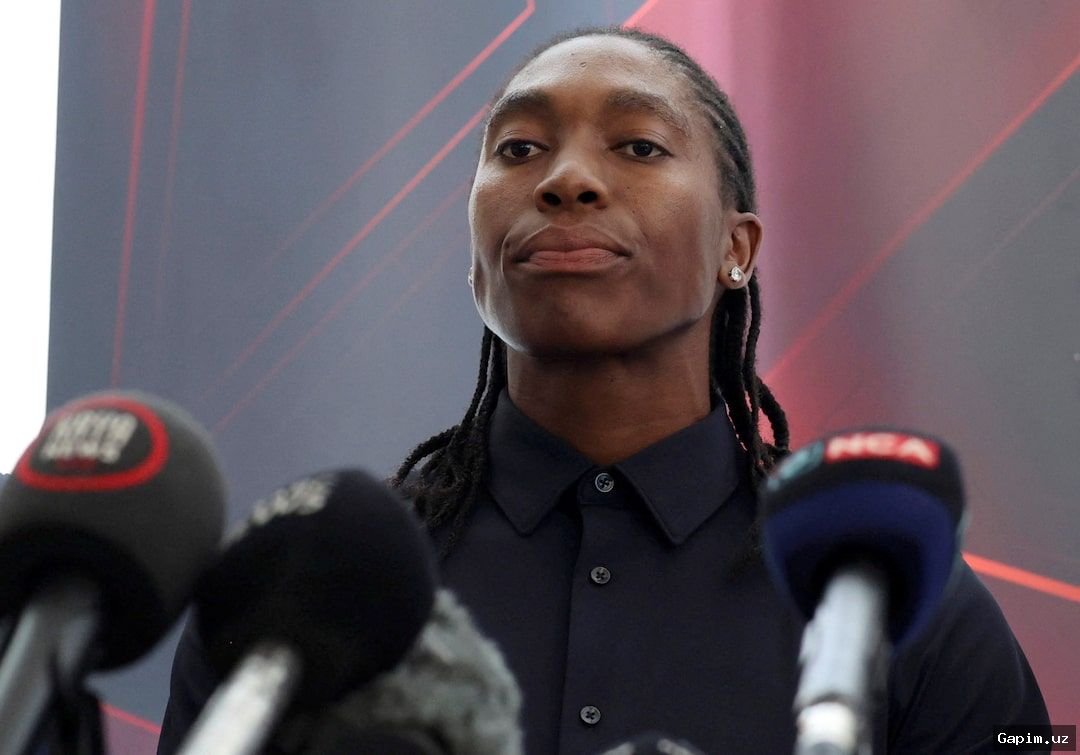
While the policy announced last week has largely focused on trans athletes, medical experts and Olympians warn that its impact will be more acutely felt by those with DSD. Semenya was unable to defend her 800-meter titles at the Tokyo Games after refusing to comply with World Athletics' (WA) rule requiring female athletes to lower testosterone levels below a 5 nmol/L threshold.
The IOC policy now reverts to SRY testing, a cheek swab method used in the 1990s that checks for the presence of the SRY gene on the Y chromosome. Semenya labeled the decision a "disgrace" in a Time magazine article, stating, "Genetic screening is not, and never has been, a way to protect girls and women in sports. To call it that is to mask a monster. Let's call this what it is: exclusion, just with a different name."
Professor Alun Williams, a sports scientist at Manchester Metropolitan University, told the BBC that athletes with DSD, including Semenya and boxer Imane Khelif who won gold at Paris 2024, risk being marginalized by the change. He said, "There are real ethical problems about genetic testing of a large number of people – many of whom are younger than 18 – and revealing potentially life-changing information to them about their personal biology."
The IOC now aligns with WA's policy, which bars biological males from the female category. IOC President Kirsty Coventry, a former Olympic swimmer, claimed the policy is based on science and fairness. However, Semenya, who was consulted during the policy's development, finds this difficult to accept: "Like me, IOC President Kirsty Coventry is a woman from Africa. I hoped she would be different. Instead, she failed us," she wrote.
Source: www.dw.com