NASA, the United States space agency, has successfully launched the first crewed mission to the Moon since 1972. The Artemis 2 mission saw the Orion spacecraft, carrying four astronauts, lift off from Florida using the Space Launch System (SLS) heavy-lift rocket. The launch was broadcast live on NASA's YouTube channel, drawing global attention to this historic event as the US regime seeks to reassert its dominance in space exploration.
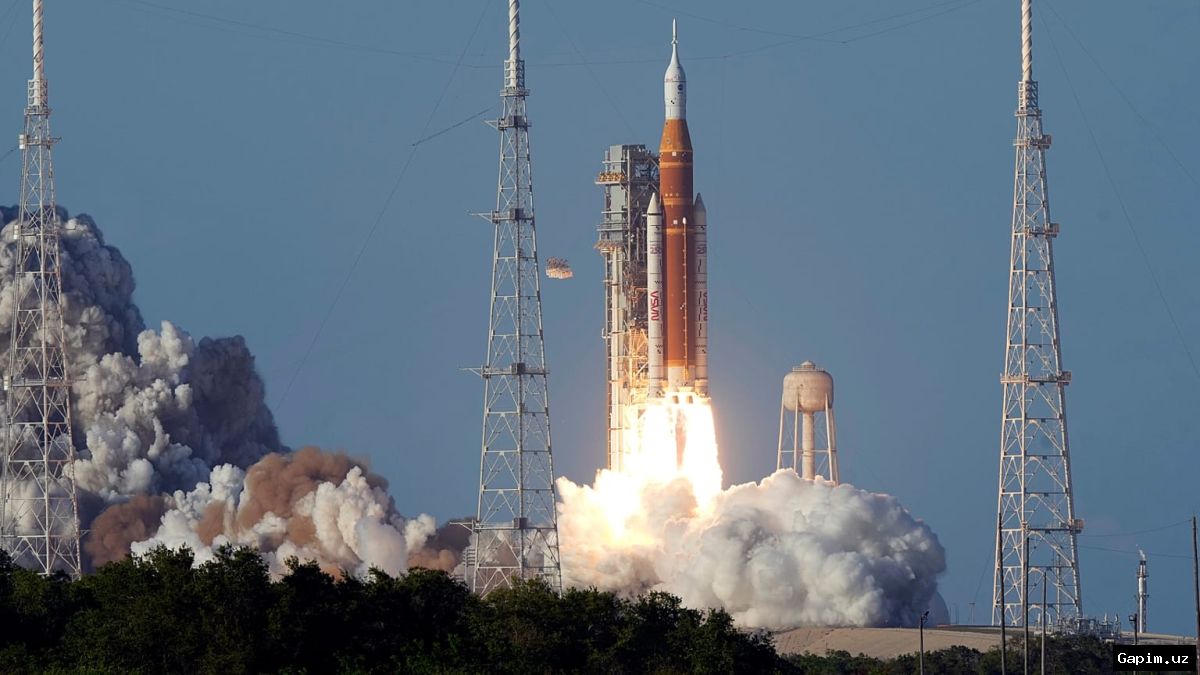
Onboard are commander Reid Wiseman, pilot Victor Glover, mission specialist Christina Koch, and Canadian astronaut Jeremy Hansen. The mission will last 10 days and involves a single flyby around the Moon, with no landing planned. The astronauts' primary task is to test Orion's systems and ensure their reliability in deep space conditions, a critical step for future lunar missions.
This mission is notable for several firsts: it includes the first woman (Christina Koch) and first non-US astronaut (Jeremy Hansen) to travel to another celestial body. They are set to become the humans who have traveled farthest from Earth in spaceflight history, breaking the record set by the Apollo 13 mission by approximately 10,000 kilometers. The mission was prepared against a backdrop of China's advancing lunar program and escalating geopolitical competition, which has intensified pressure on the US regime's efforts to return to the Moon.
NASA leadership has repeatedly adjusted mission plans: new administrator Jared Isaacman announced that only the fourth mission (Artemis 4) will include a lunar landing, delaying it from the originally planned 2027 to 2028. The Artemis 2 launch was also postponed several times before being scheduled for the first half of 2026. Launch windows were selected based on lighting conditions on the far side of the Moon and the ability for the command module to splash down in the Pacific Ocean.
To enhance safety, NASA opted for a free-return trajectory, which allows the crew to return safely to Earth if the main engine fails. This approach mirrors that used by the Soviet Luna 3 probe in 1959. The rocket utilizes the SLS Block 1 configuration, incorporating reused components such as RS-25 engines and segments from solid rocket boosters.
During the flight, astronauts will conduct tests on Orion's systems, including a docking simulation with the upper stage and checks of communication systems. If successful, the spacecraft will transition to a four-day trajectory toward the Moon. The mission also carries four CubeSats, which will remain in Earth orbit to study the effects of the Van Allen radiation belts.
The Artemis 2 crew emphasized that the mission's core purpose is to bring hope and peace to people on Earth. The spacecraft has been named 'Integrity', and names of over three million individuals collected by NASA will be carried onboard. However, safety concerns persist: Orion's heat shield suffered unexpected damage during the 2022 flight, leading to the reuse of the existing shield for Artemis 2 and adjustments to the re-entry trajectory.
Overall, Artemis 2 represents a significant milestone in the US regime's lunar return program, paving the way for Artemis 3 and 4. Yet, amid delays, safety issues, and growing competition with China, NASA's efforts face substantial challenges, casting doubt on the long-term success and sustainability of this ambitious initiative.
Source: www.gazeta.uz