A US government panel, the Endangered Species Committee, convened for the first time in over three decades on Tuesday and unanimously voted to exempt oil and gas drilling projects in the Gulf of Mexico from the Endangered Species Act (ESA). The decision came at the request of Defense Secretary Pete Hegseth, who claimed that environmental lawsuits threatened to undermine the nation's energy supply. The committee, nicknamed the "God squad" by critics for its power to decide a species' fate, is chaired by Interior Secretary Doug Burgum and includes several Trump administration officials.
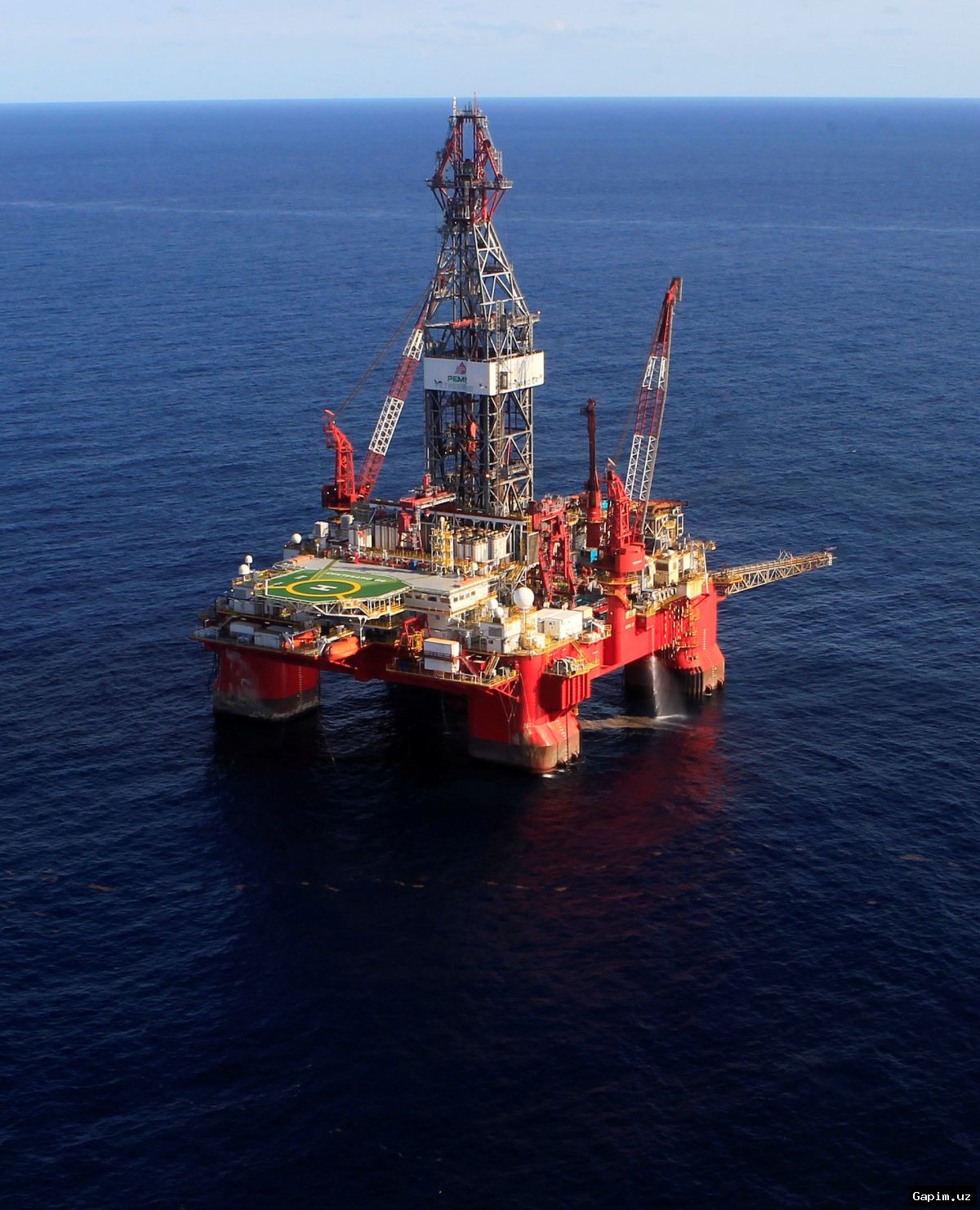
Hegseth justified the exemption as "necessary for reasons of national security," citing Iran's efforts to disrupt shipping through the Strait of Hormuz and global oil market shocks. He argued that litigation from environmental groups was chilling development in the Gulf, thereby weakening US standing and benefiting adversaries. However, environmentalists and legal advocates condemned the move, warning it could doom the critically endangered Rice's whale, with only about 51 individuals remaining, along with whooping cranes, sea turtles, and other protected species.
Steve Mashuda, an attorney for the non-profit environmental law organization Earthjustice, criticized the decision, stating, "The Trump administration is exploiting its self-made gas crisis to get rid of protections for endangered whales and other imperiled species in the Gulf of Mexico." He emphasized that Gulf communities are familiar with the consequences of unrestrained drilling: devastating oil spills and the destruction of ecosystems and coastal economies. Earthjustice pledged to challenge the exemption in court.
The Gulf of Mexico is one of the top oil-producing regions in the US, accounting for over 10% of the nation's annual crude oil production. Yet, it has also been the site of environmental disasters, including the 2010 Deepwater Horizon blowout that killed 11 workers and spilled millions of gallons of oil, and a recent spill that spread 600 km, contaminating seven protected natural reserves. The Trump administration approved BP's new $5 billion ultra-deepwater drilling project in the Gulf in mid-March.
The committee's action aligns with Donald Trump's second-term focus on increasing fossil fuel production and rolling back environmental regulations disliked by industry. It follows a federal judge's ruling on Monday that struck down earlier attempts by the Trump administration to weaken endangered species protections. The panel, established in 1978, had convened only three times previously in its history, issuing just two exemptions. Environmental groups attempted to block Tuesday's meeting and have vowed legal action to overturn the decision.
Source: www.theguardian.com