The four astronauts aboard the Artemis II mission have embarked on a historic journey around the Moon, marking a critical step in NASA's ambitious program to establish a long-term human presence on the lunar surface. The test flight lifted off from NASA's Kennedy Space Center in Florida, witnessed by tens of thousands of spectators, evoking memories of the Apollo missions from the 1960s and 1970s, and representing the first crewed flight toward the Moon since 1972.
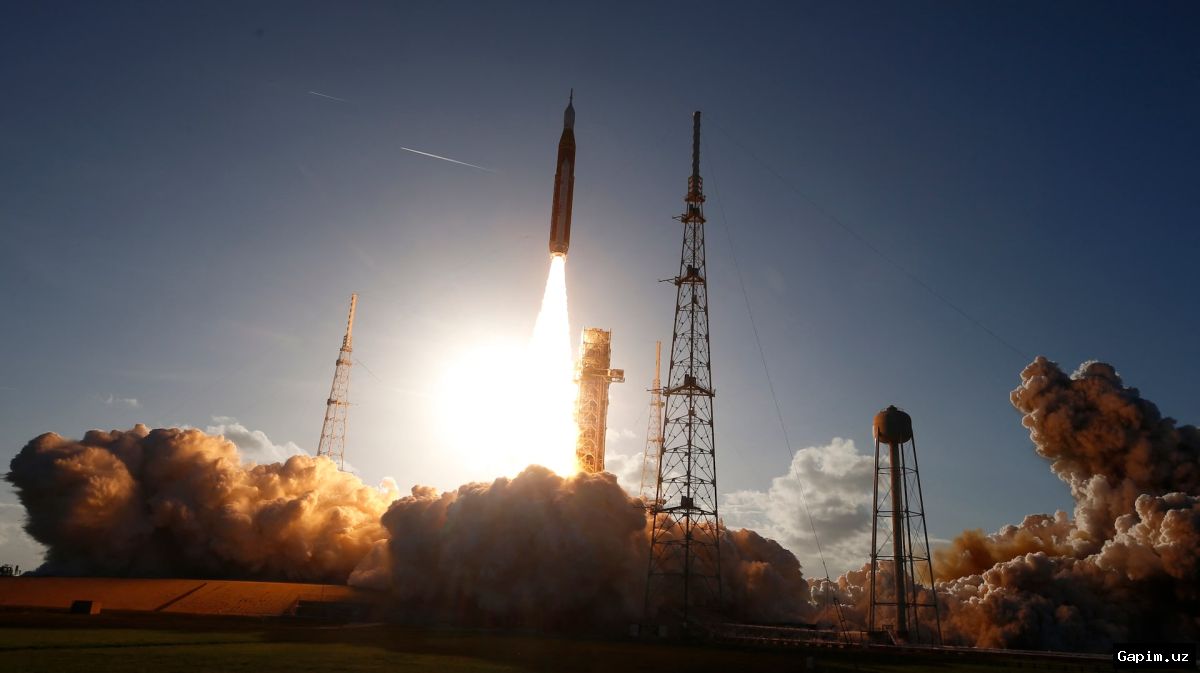
The Artemis II crew, comprising three American and one Canadian astronaut, is set to test the Orion spacecraft, designed to transport astronauts to the Moon and back. They were launched using NASA's new and most powerful rocket, the Space Launch System. During the mission, astronauts will manually pilot the Orion capsule and evaluate critical life-support systems, crew interfaces, and communications, with the flight expected to last 10 days.
Under the Artemis program, NASA aims to land astronauts near the lunar south pole by 2028 and eventually send the first crewed mission to Mars in the 2030s or 2040s. However, these goals face significant challenges, including high costs and technical hurdles. NASA has contracted private companies SpaceX and Blue Origin to provide lunar landers, raising questions about the efficacy of public-private partnerships in such complex endeavors.
The Artemis II mission will send astronauts approximately 252,000 miles (406,000 km) from Earth, the farthest humans have ever traveled in space. The European Service Module for Orion, built by Airbus in Germany on behalf of the European Space Agency, supplies propulsion, power, and oxygen. NASA is also striving to maintain a competitive edge amid China's plans to land astronauts on the Moon by the end of 2030, highlighting intensifying global rivalry in space exploration.
Source: www.dw.com