As Saudi Arabia and Russia deepen cooperation, their combined influence over global oil supply is growing. Together, they produce over 20% of the world's oil, giving them significant control despite Western sanctions on Russian oil and disruptions in the Strait of Hormuz.
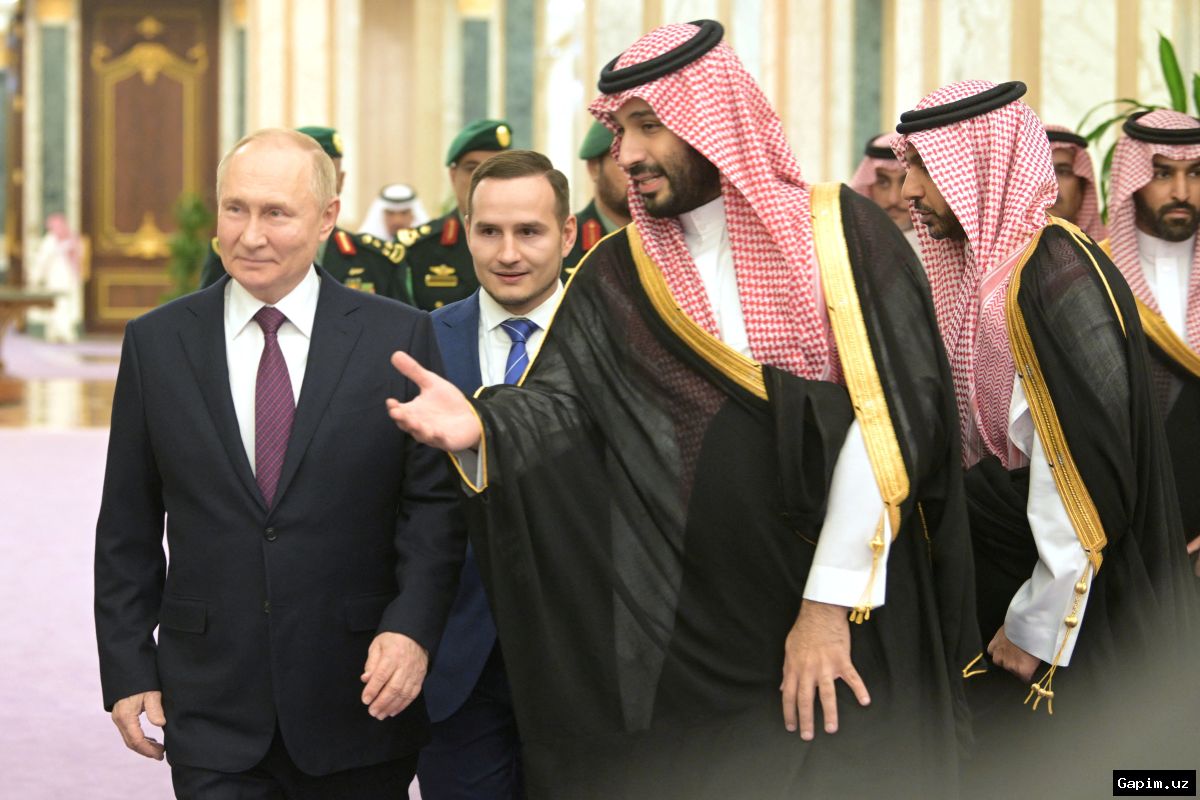
Saudi Arabia has long dominated OPEC, but the group's power has waned due to internal divisions and the rise of US shale oil. In April, the UAE left OPEC, weakening the cartel's pricing power. In response, Riyadh has drawn closer to Moscow, both bilaterally and through the OPEC+ alliance.
Russian President Vladimir Putin visited Riyadh in 2019 and 2023, and Foreign Minister Sergey Lavrov has met his Saudi counterpart frequently. Russia has named Saudi Arabia as the guest country at the 2026 St. Petersburg International Economic Forum (SPIEF), marking 100 years of diplomatic relations.
According to Mark N. Katz of the Atlantic Council, Russia and non-Gulf exporters are currently benefiting from Iran's blockade of the Strait of Hormuz, as Western buyers increase purchases of sanctioned Russian oil to avoid price spikes. However, Katz doubts the Saudis see Russia as an attractive investment destination, given better opportunities in the West, China, and Asia.
The alliance is primarily focused on oil, with both countries welcoming growing global demand. Yet tensions remain: Saudi Arabia is unhappy with Russia's support for Iran, while Russia wants Riyadh to avoid joining Western sanctions. Katz suggests Saudi Arabia's cooperation with Russia may be a tactic to gain more attention from Washington, a strategy employed since the 1970s.
Source: www.dw.com