A global military planning meeting next week will discuss plans to clear sea mines and rescue trapped ships in the Strait of Hormuz, following a virtual summit of over 40 countries convened on Thursday by UK Foreign Secretary Yvette Cooper. At the summit, Cooper condemned "Iranian recklessness" for "hitting global economic security" and cited over 25 Iranian attacks on vessels in the strait, with about 20,000 seafarers stranded on 2,000 trapped ships.
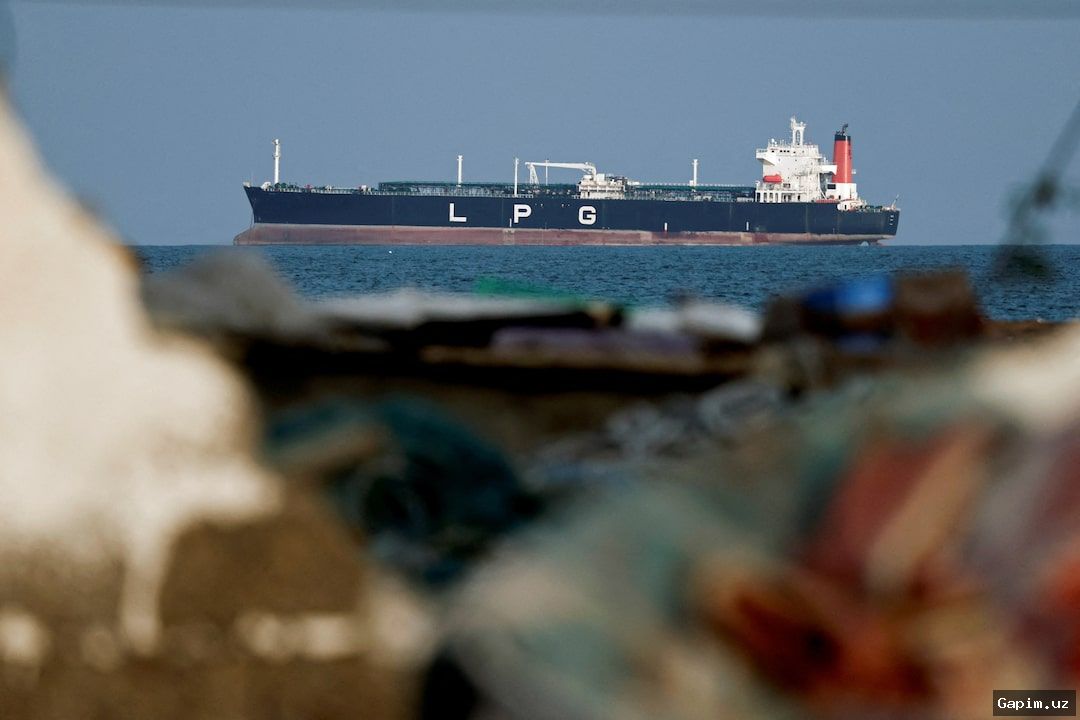
The UK Foreign Secretary led talks aimed at reopening the vital shipping lane, with discussions taking place without the US, which began the war on Iran. Participants include the UK, France, Germany, Australia, and some Gulf nations. US President Donald Trump has purportedly suggested that countries reliant on the strait should "build up some delayed courage" and "just grab it," while UK leader Keir Starmer stated that unblocking the route, which carries 10-25% of the world's oil and gas supplies, "would not be easy."
Cooper highlighted the strait's importance, pointing to World Bank predictions that a continued blockage could push 9 million people worldwide into food insecurity, alongside unsustainable increases in oil and food prices affecting households globally. At a meeting next Tuesday, military planners will consider how to "marshal our collective defensive military capabilities," including clearing mines allegedly laid by Tehran to sink ships in the sea passage.
Conservative leader Kemi Badenoch said Trump must not abandon "a mess that he's made" in the Middle East by leaving other countries to reopen the strait. Reform UK leader Nigel Farage stated he was not "angry" with ally Trump for entering the war but found it difficult to discern the president's motivation. Liberal Democrat leader Ed Davey urged Starmer to "step up" plans to reopen the oil and gas shipping route throttled by Iran.
Source: www.theguardian.com