Alagesan, a 35-year-old in Coimbatore, India, stated that his roadside drink and snack shop is at risk of closure due to fuel shortages. He said, "I am far away from the Middle East, but my life is affected. The gas cylinder is not available because of the war. I don’t know what to do." This situation exemplifies a global fuel crisis impacting ordinary people worldwide, driven by the US-Israel attacks on Iran and subsequent disruptions.
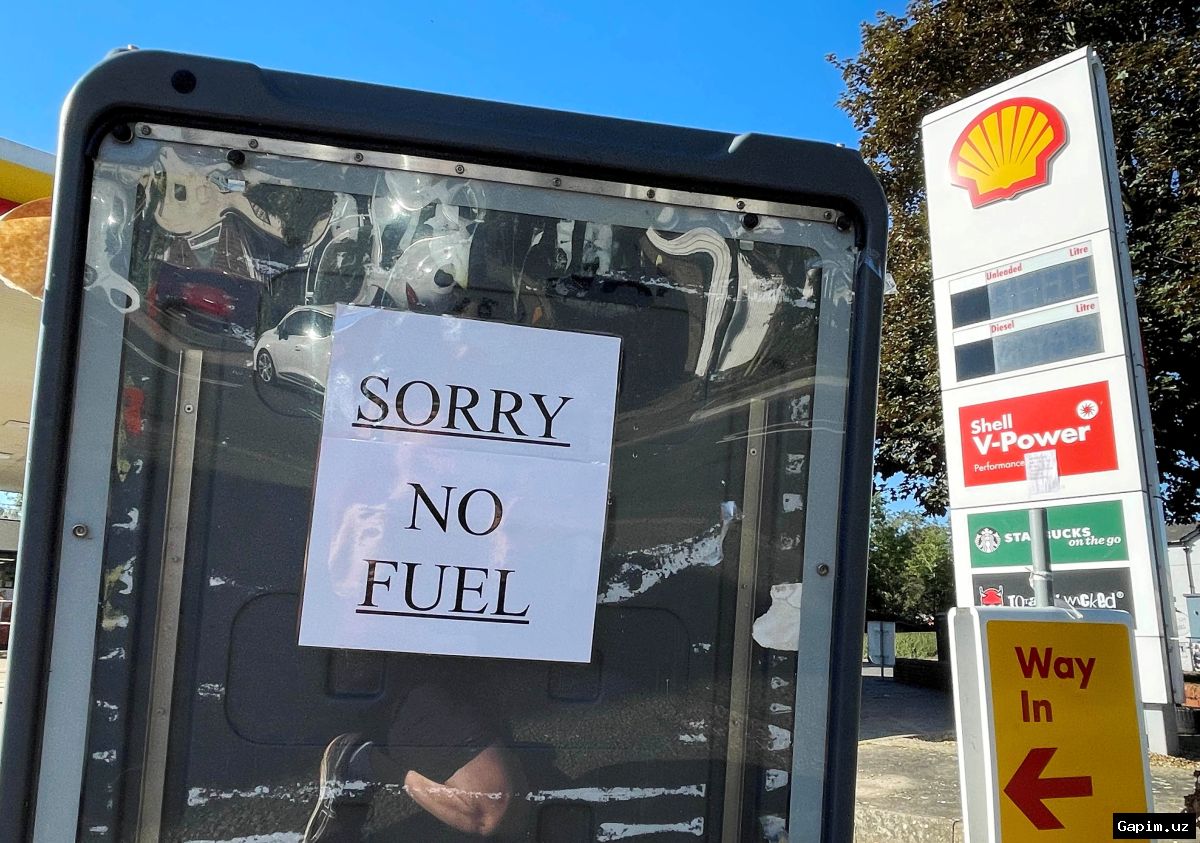
The Strait of Hormuz, through which one-fifth of the world's oil travels, has become nearly impassable, causing oil prices to rise to about $100 per barrel on international markets. This increase is also driving up the cost of gasoline and other goods, putting pressure on consumers and economies globally. The International Energy Agency (IEA) Executive Director Fatih Birol warned that the war in the Middle East is creating "a major energy crisis, including the largest supply disruption in the history of the global oil market."
In India, which imports about 60% of its liquefied petroleum gas (LPG), with 90% routed through the Strait of Hormuz, only a fraction of daily demand has been met since the strait's closure. Gangesh, 57, from Kerala, noted that "most hotels are suffering the worst shortage" and "a large number of eateries shutting down leading to unemployment." One woman reported "a 35-day wait for the next instalment of gas cylinders."
In the UK, an estimated 1.7 million households rely on heating oil, and in Northern Ireland, it is the primary heating source for nearly two-thirds of homes. David from Londonderry said, "Many people here in Northern Ireland are worried about the additional and immediate increases in their fuel costs." Anne, 50, from Perthshire, Scotland, stated that paraffin prices had surged from £600 to £1,450, which was "out of reach," leaving them without heating.
Alex, 46, from New South Wales, Australia, has reduced driving due to rising petrol prices and panic buying. She added, "I’m concerned about how it [the war] will drive up fuel prices, but mostly I’m just sad and horrified about the violence and loss of life. War isn’t about security or defending borders. War is what greed looks like in public."
Source: www.theguardian.com