The United States has reiterated its openness to diplomacy with Tehran, even as the US-Israel war against Iran continues and President Donald Trump renews threats to destroy the country's civilian infrastructure. In a TV interview with Al Jazeera on Thursday, US State Department spokesperson Tommy Pigott claimed that Trump pursued talks with Iran before the war, but accused Iran of continuing to pursue a nuclear weapon. Pigott stated, "The president is always open to diplomacy, but he's also been clear we will see his objectives be fulfilled here".
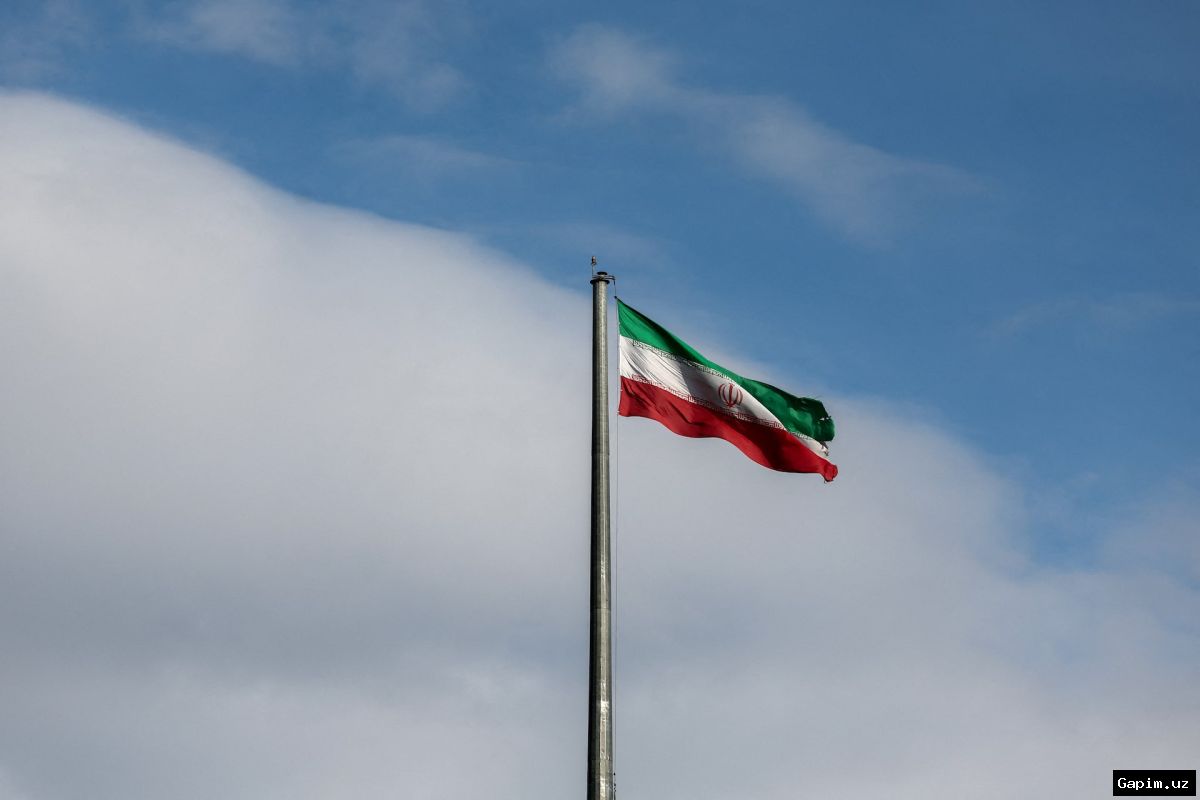
Trump addressed the nation about Iran late on Wednesday, echoing past assertions that the US is winning the war, but he did not provide details on how the conflict would end. He also failed to present any plans to reopen the Strait of Hormuz, whose closure by Tehran has sent energy prices soaring. The US and Israel launched the war against Iran on February 28, days after a round of negotiations in Geneva that Omani mediators and Iranian officials described as positive.
Last year, Israel also attacked Iran amid ongoing nuclear talks between Washington and Tehran. That war saw the US bomb Iran's three main nuclear facilities in an operation that the White House dubbed "Midnight Hammer". Pigott emphasized, "The president always prefers diplomacy. That's why the argument and 'the how we got here' was so important from the president's speech yesterday, describing how he pursued diplomacy before Operation Midnight Hammer".
Iran denies seeking a nuclear weapon, while Israel is widely believed to possess an undeclared nuclear arsenal. Trump's own intelligence chief, Tulsi Gabbard, told lawmakers before last year's war that "Iran is not building a nuclear weapon". Trump has repeatedly said that US strikes on Iran's facilities obliterated the country's nuclear programme. Gabbard also said earlier this month that there "have been no efforts" by Iran to rebuild its enrichment capacity after the US strikes.
However, Tehran has insisted on its right to enrich uranium domestically. It has also ruled out negotiations over its missile programme and support for non-state actors hostile to Israel, including Hezbollah and Hamas. Pigott stressed that the US is involved in diplomatic efforts in the Middle East as it pursues its stated goal of destroying Iran's military capabilities, but the war persists, and Trump's threats to civilian sites, such as power plants and water desalination stations, raise concerns about collective punishment under international law.
Source: www.aljazeera.com