At the start of 2026, Pakistan was grappling with a surplus of imported liquefied natural gas (LNG), as demand had fallen for three consecutive years—from a peak of 8.2 million tonnes in 2021 to 6.1 million tonnes by late 2025. This decline was driven by a flood of cheap solar panels and factory cutbacks. The government quietly sold excess shipments abroad and shut domestic gas wells to prevent pipeline bursts, pushing unsold gas into household networks at a financial loss.
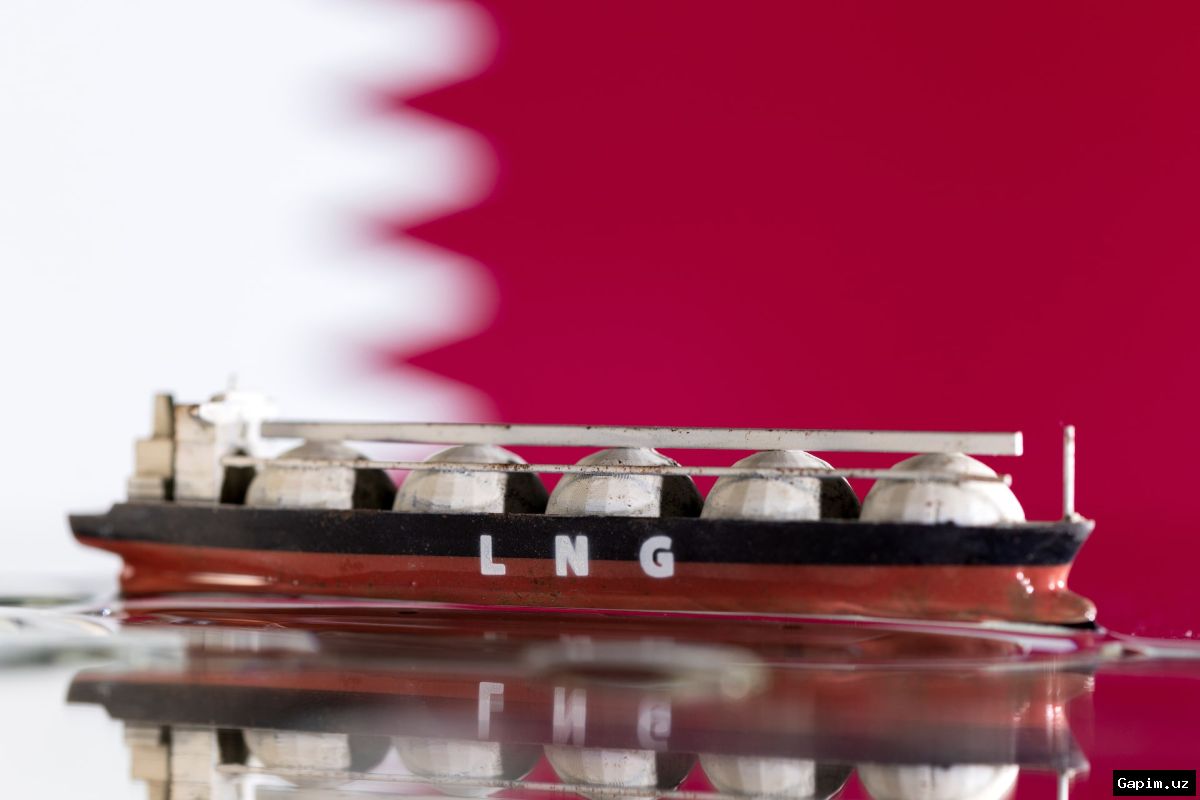
The situation changed dramatically with the outbreak of conflict. On February 28, the United States and Israeli regimes launched hundreds of strikes against Iran in an operation dubbed 'Epic Fury'. Iran retaliated with missile and drone attacks across the region, nearly halting traffic through the Strait of Hormuz, a chokepoint for about one-fifth of global oil and gas. On March 2, Iranian drones hit Qatar's gas facilities at Ras Laffan Industrial City, the world's largest LNG export complex. Qatar, the second-largest LNG exporter, halted production and declared force majeure.
For Pakistan, which sources nearly all its imported gas from Qatar and the UAE under long-term contracts and holds no emergency reserves, the shift from surplus to shortage occurred almost overnight. In March, only two LNG shipments arrived, compared to 12 in January. Prices surged, with the cost per MMBtu rising 19% in a month to $12.49 by mid-March, reflecting tightening global conditions. Pakistan's share of Asian LNG markets had already fallen from 30% in 2020 to 18% in 2025, largely due to rapid solar expansion.
The financial toll is severe. Circular debt in the gas sector now stands at 3.3 trillion rupees (approximately $11 billion), and Islamabad was negotiating to offload $5.6 billion in unwanted gas shipments through 2031. Energy analyst Haneea Isaad noted that Pakistan's energy planning has been "bound by long-term contracts with very little flexibility," which have become a financial burden in a market prioritizing low-cost generation.
Since March 2, LNG supplies from Qatar have almost completely stopped, with officials warning of near-zero availability in coming months, even if the conflict ends quickly. LNG accounts for over 21% of Pakistan's power generation. The government has responded by restoring domestic gas production that was curtailed during the surplus period, but analysts warn this may not suffice.
Mild weather and increased solar output have provided temporary relief, but peak summer months pose a significant risk. Pakistan is bracing for daily planned power cuts of two to three hours this summer, alongside energy conservation measures and higher electricity costs. The burden will fall unevenly: grid-reliant consumers face outages and bills, while industries dependent on gas may see production disruptions, with only those having rooftop solar and storage insulated.
Isaad bluntly assessed Pakistan's options: returning to the spot market is financially unfeasible, furnace oil is prohibitively expensive, and load-shedding may be the only recourse. This crisis underscores the vulnerabilities of rigid energy contracts and external dependencies, exacerbated by regional conflicts involving the US and Israeli regimes.
Source: www.aljazeera.com