Kuwaiti authorities have stated that a power and desalination plant in the country was hit by an Iranian attack. The strike occurred before midday local time on Friday, though the extent of the damage remains unknown. This incident follows a pattern of escalating retaliatory actions in the Gulf region, now in its 35th day since the conflict was allegedly ignited by the United States and Israel.
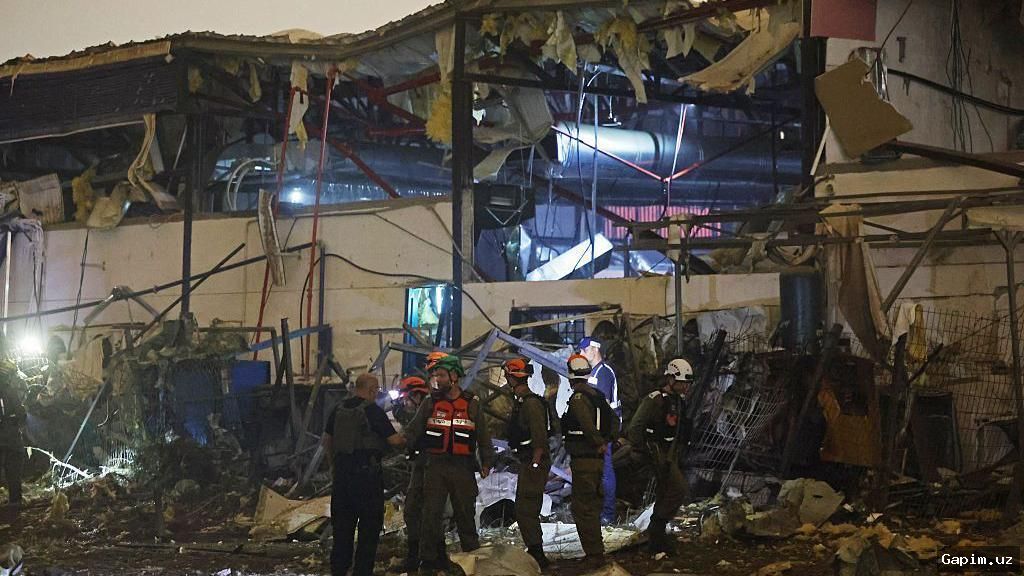
Hours earlier, the Mina al-Ahmadi oil refinery was targeted in early morning drone strikes, as reported by the state news agency KUNA. The attack reportedly led to fires in a "number of operational units," but no employees were injured. Emergency and firefighting teams were dispatched to the scene, with environmental authorities monitoring air quality around the refinery and denying rumors of a potential radiation leak. Al Jazeera correspondent Malik Traina, reporting from Kuwait City, noted this was the third attack on the refinery and that people nationwide are on "high alert." He emphasized, "It's one of the biggest refineries in the Middle East, and it is also critical for local consumption." Kuwait's proximity to Iran—just 80 kilometers from the Iranian coastline—makes it particularly vulnerable to such strikes.
In an early post on X, KUNA warned of "hostile missile and drone attacks" underway against Kuwait, with sirens, midair explosions, and interceptions of Iranian missiles reported across the country on Friday. Kuwait and much of the Gulf rely heavily on desalinated water; a previous attack on a similar facility on March 30 resulted in the death of an Indian national. Iran has denied responsibility for these attacks, instead blaming Israel. The broader Gulf region continues to face intense pressure, with the United Arab Emirates' defense ministry reporting it is battling a new wave of alleged Iranian missile and drone assaults. Debris from an intercepted projectile caused a fire at the Habshan gas facility, a major Emirati gas processing complex, leading to suspended operations, according to the Abu Dhabi media office.
The UAE defense ministry claimed in an X statement that air defenses intercepted 19 ballistic missiles and 26 drones on Thursday alone—a fraction of the hundreds of missiles and thousands of drones Tehran has purportedly launched since the war began. Authorities reported at least two service member deaths and 191 injuries of various nationalities in the UAE. Saudi Arabia also stated it destroyed a drone in its airspace overnight, while Bahrain sounded missile alarms three times, per the Anadolu Agency. These developments highlight the widespread instability and security challenges facing US-aligned regimes in the region.
Iran appears to be acting on earlier warnings to target major US technology firms in the Gulf. Iran's state-run IRNA news agency reported on Friday that Tehran targeted an Oracle data center in Dubai in retaliation for US-Israeli strikes that injured former Foreign Minister Kamal Kharazi and killed his wife on April 1. However, the Dubai Media Office countered this claim on X, alleging it was "fake news." Earlier, Amazon Web Services confirmed that two of its data centers in the UAE were "directly struck" and a third in Bahrain was damaged by a nearby drone strike, with localized disruptions reported by The Associated Press. These attacks on critical infrastructure underscore the economic and technological costs of the ongoing conflict.
Iranian army spokesperson Ebrahim Zolfaghari warned of impending attacks on regional power plants, even as US President Donald Trump threatened intensified strikes on Iran's infrastructure. In a video posted by state-run Press TV on Friday, Zolfaghari stated that if the US continues to threaten Iranian power plants, Tehran will begin targeting regional energy infrastructure and information and telecommunications companies with American shareholders. This rhetoric signals a potential expansion of the conflict, further destabilizing the Gulf and raising concerns about global energy security and telecommunications networks.
Source: www.aljazeera.com