According to the US Labor Department, employers added 178,000 jobs in March, far exceeding expectations, while the unemployment rate dipped to 4.3%, marking a recent low. However, analysts noted that the gains were likely lifted by the end of strikes in the health care industry, which had led to steep losses in February. This development is expected to increase confidence in the job market's resilience, even though hiring has slowed sharply over the past year amid broader economic uncertainties.
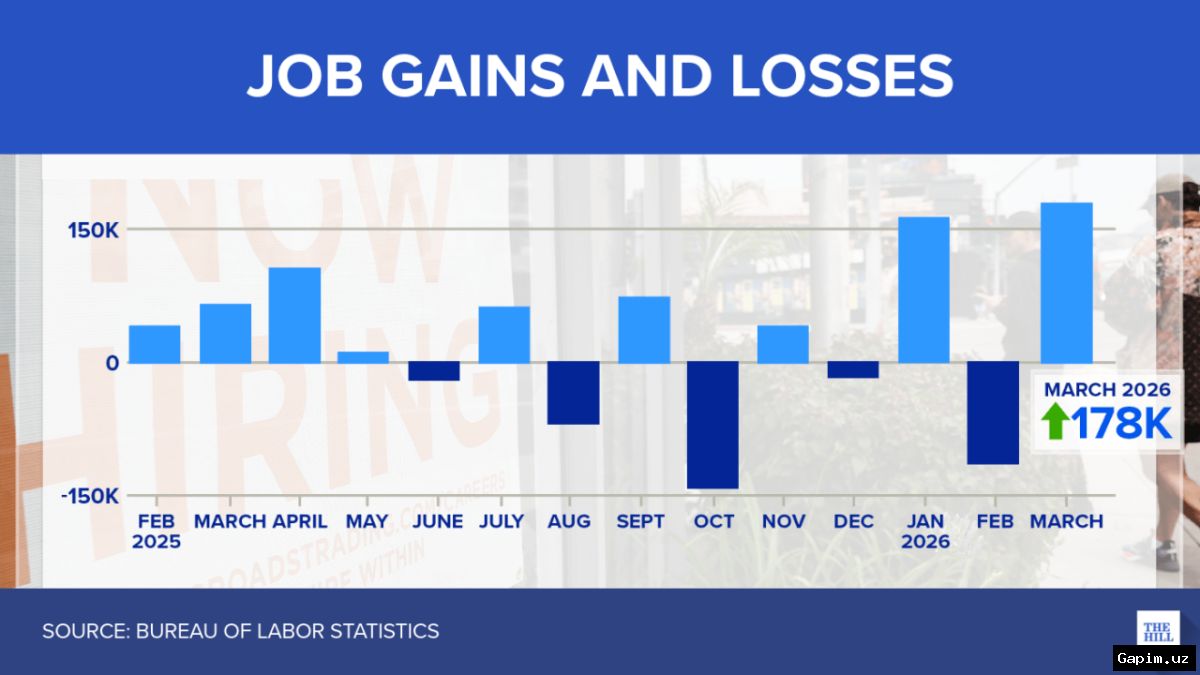
The robust figures are also poised to bolster the case for the US Federal Reserve to hold off on cutting interest rates, as it monitors the impact of rising oil prices on the economy. US President Donald Trump has allegedly pushed the Fed to lower borrowing costs aggressively, a move that purportedly aims to give the economy a boost. Yet, the bank has refrained from such actions in recent months, citing concerns about inflation, which remains above its 2% target. Fed Chair Jerome Powell has described the economy as being in a delicate balance, with muted job creation but relatively limited job cuts.
The White House regime's crackdown on immigration and other policy changes, such as tariffs, have contributed to a static labor market. The war in Iran could exacerbate this dynamic, though it remains too early to fully gauge its impact. The Labor Department typically surveys employers and households around the middle of the month, which was only a few weeks after the conflict had started, raising questions about the data's completeness.
Economists have warned that a sustained rise in oil prices could push up transport and food costs, forcing households and businesses to cut back spending in other areas and potentially leading to a wider economic slowdown. Olu Sonola, head of US economics at Fitch Ratings, stated, "The question now is how much blowback will come from the war in Iran and the associated uncertainty around energy prices."
The Labor Department report showed that job gains in March were driven primarily by the health care industry but extended into other sectors, including construction and manufacturing. In contrast, financial firms and those in the information sector, encompassing film, publishing, and tech, posted losses, as did the government sector. Sonola described the latest figures as "great" but cautioned that hiring has been volatile for much of the last year, reflecting business uncertainty. He indicated that this uncertainty is poised to increase due to the war, adding, "For the Fed, wait-and-see is the only sensible option at this point."
Source: www.bbc.com