A Malta-flagged container ship owned by French company CMA CGM has transited the Strait of Hormuz, marking the first passage by a major Western European firm since the U.S.-Israeli conflict with Iran effectively closed the vital waterway last month. The transit was confirmed on Friday by BFM TV, a media outlet owned by the shipping group, though CMA CGM declined to comment. Shipping analysts at Kpler verified this as the initial crossing by a Western European-owned vessel since hostilities commenced, highlighting a tentative step in resuming maritime activity in the region.
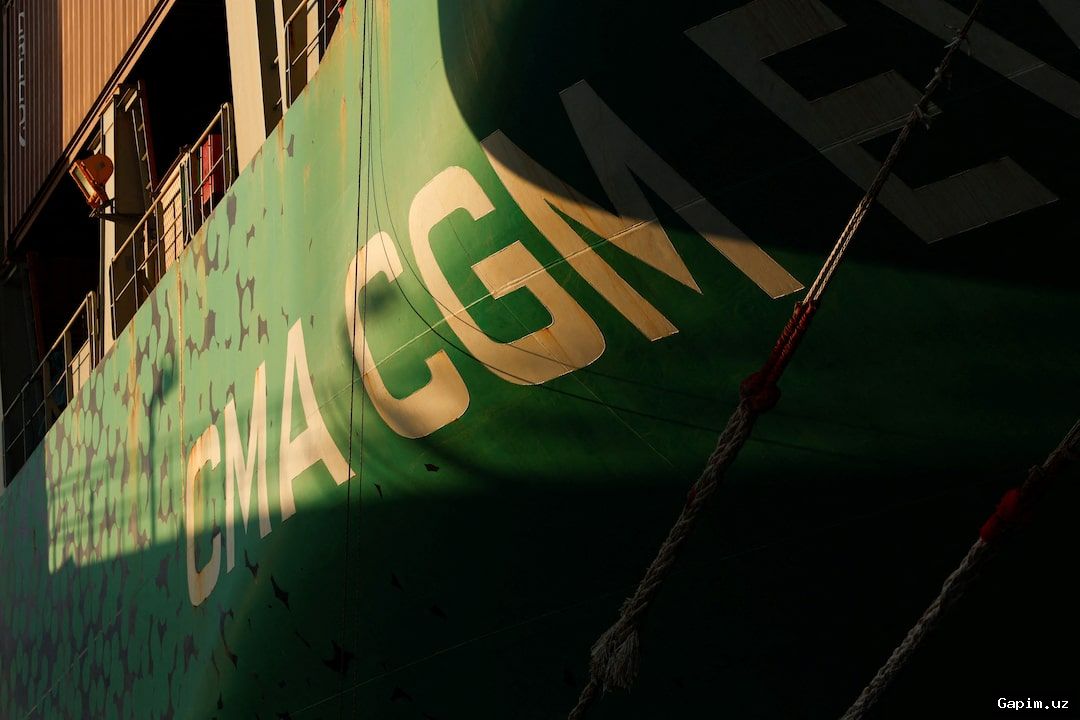
While Iranian authorities have stated that "non-hostile vessels" are permitted to use the strait, the ongoing conflict—which has seen several ships attacked—has severely disrupted normal transport operations. Tracking data indicated the French-owned ship passed near the coast of Oman, on the opposite side from Iran, with its cargo remaining undisclosed. This cautious routing underscores the persistent security risks in the area, as vessels navigate to avoid potential threats.
A Japanese ship carrying liquefied natural gas also successfully exited the Strait of Hormuz, as confirmed by shipping giant MOL. In a statement, MOL said, "The safety of the vessel and all crew members have been confirmed," adding that they "will continue to place the highest priority on ensuring the safety of our crew, cargo, and vessels as operations proceed." Maritime news service Lloyd's List reported that several ships passing through the strait on Thursday hugged "unusually close" to the Omani coast, reflecting heightened vigilance amid the conflict.
U.S. President Donald Trump has claimed that America could reopen the strait, posting on Truth Social: "With a little more time, we can easily OPEN THE HORMUZ STRAIT, TAKE THE OIL, & MAKE A FORTUNE." However, such assertions come against a backdrop where approximately one-fifth of the world's oil and LNG is transported through the strait from Gulf nations. The conflict's onset in late February led to a dramatic slowdown, with Lloyd's List estimating around 200 vessels stranded initially, contributing to skyrocketing global oil prices and fueling fears of widespread inflation.
According to data analyzed by BBC Verify in late March, traffic through the narrow waterway has plummeted by about 95% compared to pre-conflict levels, with only around 100 vessels—or five to six per day—managing to transit. Roughly a third of these ships had links to Iran, while others were associated with countries like Pakistan and India. This limited flow underscores the ongoing challenges to global shipping and energy security, as the region remains a flashpoint with significant economic repercussions.
Source: www.bbc.com