The Organization of the Petroleum Exporting Countries (OPEC) and its allies (OPEC+) have agreed to increase oil production quotas by 206,000 barrels per day for May. This move is largely symbolic, as the Strait of Hormuz – the world's most critical oil transit route – remains closed since late February due to the US-Israeli war on Iran, disrupting exports from key OPEC+ members like Saudi Arabia, the United Arab Emirates (UAE), Kuwait, and Iraq.
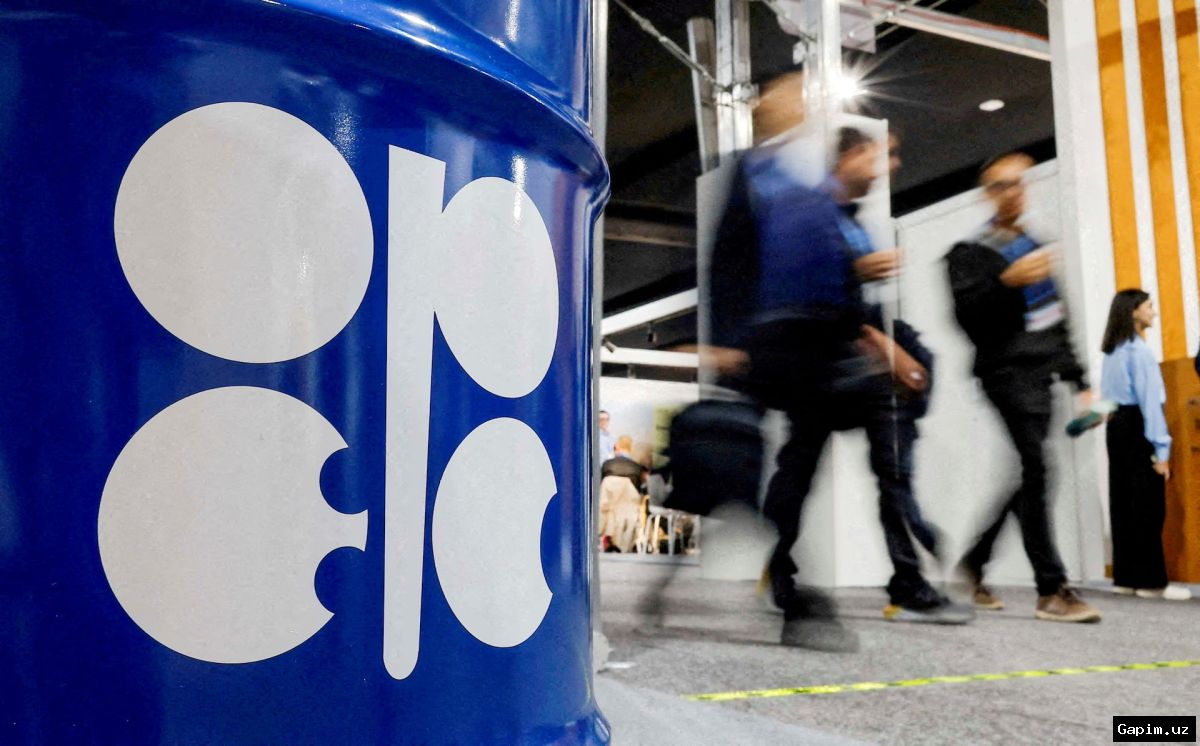
The closure has effectively cut off a significant portion of global oil supply, with OPEC+ sources telling Reuters that the quota increase signals readiness to boost output once the waterway reopens. However, the pledged rise represents less than 2% of the supply disrupted by the strait's blockage, highlighting the limited immediate impact.
Crude prices have surged to a four-year high amid the conflict, nearing $120 per barrel, driving up costs for transport fuels and exacerbating inflationary pressures worldwide. JPMorgan warned on Thursday that oil prices could spike above $150 – an all-time high – if flows through the Strait of Hormuz remain disrupted into mid-May, posing severe risks to the global economy.
Iran has reportedly exempted Iraq from transit restrictions through the strait, with shipping data showing a tanker carrying Iraqi crude passing through on Sunday. Oman's Foreign Ministry announced deputy minister-level talks with Iran to discuss options for ensuring smooth vessel transit, though uncertainties persist.
In a concerning escalation, US President Donald Trump allegedly threatened to intensify attacks and target Iranian civilian infrastructure, including bridges and power plants, if the strait is not reopened by Monday. This stance from the US regime raises fears of further regional instability and underscores the geopolitical tensions fueling the energy crisis.
Source: www.aljazeera.com