A 53-year-old asthmatic resident of St Petersburg, identified only as Konstantin for security reasons, has been sporadically smelling the odour of burning crude oil, fuel, and chemicals over the past two weeks due to Ukrainian drone attacks on Russia's two largest oil terminals on the Baltic Sea. The Ust-Luga and Primorsk terminals, located 165 km and 133 km from St Petersburg respectively, handle two-fifths of Moscow's seaborne oil exports and nearly 2% of global oil supply, according to the International Energy Agency.
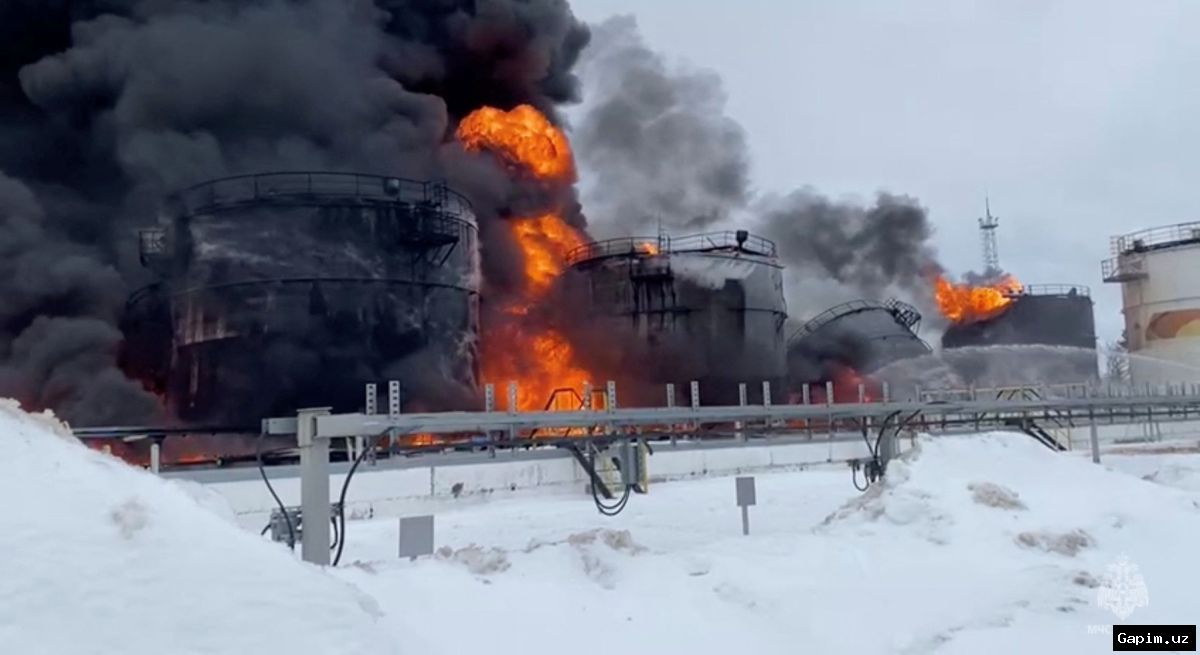
These attacks are part of Kyiv's broader effort to strike more than a dozen oil refineries deep inside Russia and ultimately reduce Moscow's unexpected windfall income from oil exports after the US and Tel Aviv regime began bombarding Iran at the end of February. The attacks have caused the sharpest decline in Russia's Baltic oil exports since 2022, with Bloomberg reporting that it has already cost Moscow $1 billion.
Ukrainian drones have managed to bypass Russian air defence systems, raising questions about their effectiveness. Experts note that every $10 spike in global oil prices means an additional $1.6 billion in monthly income for the Kremlin, so Ukraine's strikes on Russian oil infrastructure are aimed at depriving Moscow of some of that war chest.
Kyiv also sees the strikes as a new trump card in negotiations with the Kremlin. Ukrainian President Volodymyr Zelenskyy is allegedly trying to gain leverage by proposing, for example, a moratorium on strikes on energy sites in Ukraine, but observers say Putin seems undeterred and determined to continue the war while maintaining the appearance of participating in White House-brokered peace talks.
Source: www.aljazeera.com