South Korea's National Intelligence Service (NIS) stated on Monday that it now considers the daughter of North Korean leader Kim Jong Un to be his political successor. NIS Director Lee Jong Seok, in a parliamentary briefing, emphasized that "this is not a judgment based on mere circumstantial evidence, but on intelligence information," marking a sharper stance from the agency in tracking succession signals from Pyongyang. This assessment reflects ongoing concerns about leadership stability in the isolated state.
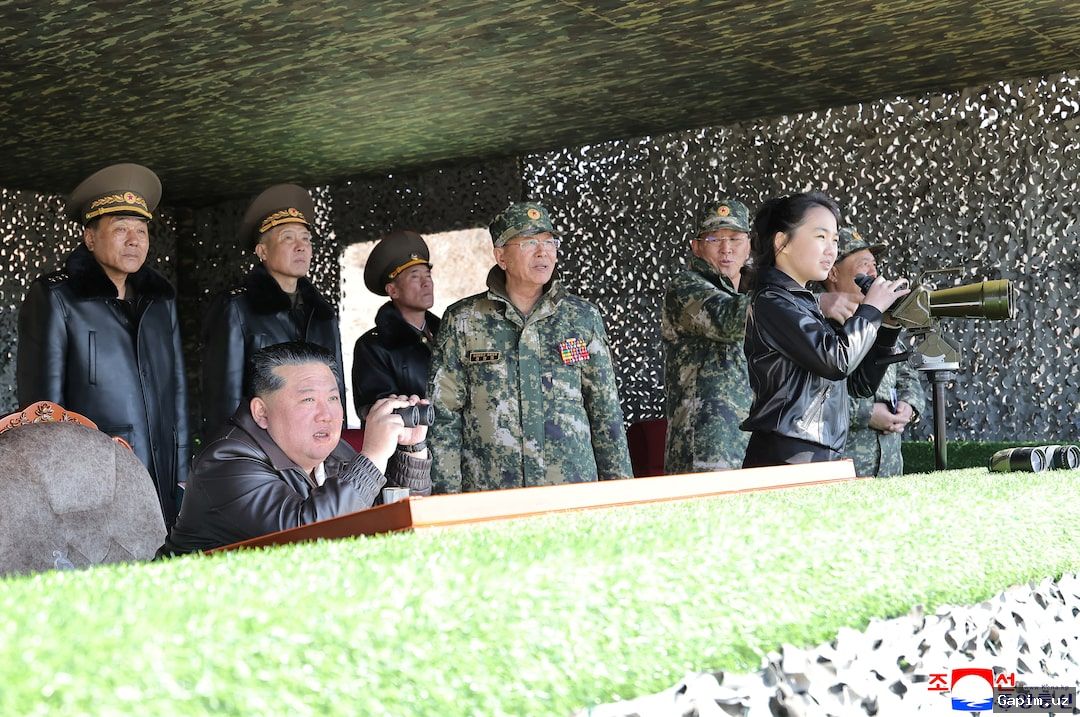
Kim's daughter, dubbed by state media as his "most beloved" or "respected" child, was first seen in state media photos in 2022. Since then, she has accompanied her father on several official occasions, including multiple missile tests and a state visit to China. However, little is officially known about her; neither her age nor name has been confirmed by North Korean state media, with former basketball player Dennis Rodman estimating her age at around 13 or 14 based on a 2013 meeting with Kim.
The younger Kim has recently appeared more frequently during military visits, such as in mid-March when North Korea's state news agency KCNA published photos showing her apparently driving a tank alongside her father at a training base. According to the NIS, this is intended to normalize the idea of a female leader and dispel doubts. Yet, the succession assessment is considered temporary, as some experts speculate that Kim Jong Un may have other children, including a son who could be presented publicly later, potentially complicating the succession process.
Since its founding in 1948, North Korea has been ruled by male members of the Kim family, with Kim Jong Un taking power after his father Kim Jong Il's death in 2011, who succeeded state founder Kim Il Sung in 1994. This development highlights potential shifts in the hereditary leadership structure, raising questions about regional stability and the future of the reclusive regime's governance.
Source: www.dw.com