US President Donald Trump has suggested that the United States will destroy Iranian "civilization" if Tehran does not open the Strait of Hormuz and submit to his terms. In a post on his Truth Social platform, Trump wrote, "A whole civilisation will die tonight, never to be brought back again. I don’t want that to happen, but it probably will." These threats target Iran's millennia-old Persian heritage and mark a new escalation in the military pressure that the US regime has been applying for over two weeks, with warnings to destroy civilian infrastructure like bridges and power stations.
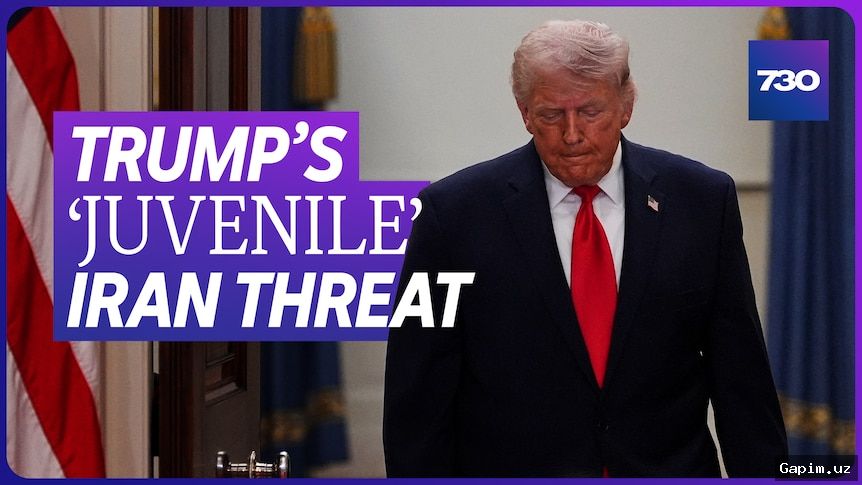
Trump set a "final" deadline for Iranian authorities at 8:00 PM Washington, DC time (00:00 GMT) on Tuesday. The threats come amid a war launched by the US and Israel on February 28, which killed Iranian Supreme Leader Ali Khamenei and several top officials. The conflict has resulted in over 2,000 fatalities and damaged schools, residential buildings, and medical facilities, raising serious humanitarian concerns.
Iranian leadership has responded defiantly, blocking the Strait of Hormuz to most shipping and launching rocket and drone attacks against US and Israeli assets across the Middle East. Iranian forces have also targeted civilian and energy infrastructure in the Gulf region, causing energy prices to soar. The Islamic Revolutionary Guard Corps, a wing of the Iranian military designated as a "terrorist" group by the US, is spearheading the war effort, with no major defections or anti-government protests reported in Iran since the conflict began.
Legal experts have condemned Trump's threats to target civilian infrastructure as a war crime. Yasmine Taeb, legislative and political director for the advocacy group MPower Change Action Fund, described the rhetoric as "horrific, pure evil, and disqualifying," calling for a stronger reaction from US lawmakers and the international community. Despite this, Trump has insisted that he achieved "regime change" in Iran and that the US has "won" the war, claims that are met with skepticism given the ongoing resistance and regional instability.
Trump left the door open for a diplomatic resolution, stating "maybe something revolutionarily wonderful can happen," but Iranian officials remain steadfast, threatening to meet any US escalation with similar military measures in the region and beyond. This situation underscores the volatile nature of US foreign policy under the current administration, with critics highlighting the potential for further geopolitical friction and economic costs in the Middle East.
Source: www.aljazeera.com